Ghost in the Shell: Stand Alone Complex - The Laughing Man
2005
No user ratings available yet
Representation score: 8.2 out of 10
Representation Score
Excellent
2007
Not RatedDirector
Kenji Kamiyama
Runtime
105 minutes
Average Rating
No ratings yetNew Showbiz Analysis
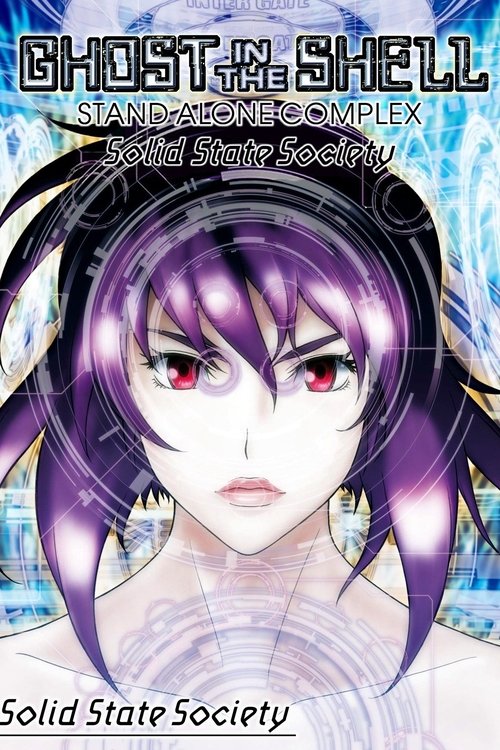
Solid State Society excels at challenging traditional gender hierarchies through its powerful female protagonist. Motoko Kusanogi’s leadership and active role provide a sophisticated departure from typical action-thriller clichés. The film also offers a deep critique of social structures and technocratic systems. It moves beyond simple character archetypes to examine how digital integration affects the social contract and individual identity. However, the work lacks overt representation regarding LGBTQ+ identities and specific disabilities. These elements are often replaced by high-concept sci-fi metaphors rather than direct, human-centric portrayals.
Category Breakdown
The film does not include any explicit LGBTQ+ identities or romantic relationships. It explores the fluidity of identity and digital boundaries but does not show any same-sex intimacy or non-cisgender gender identities.
Motoko Kusanogi challenges traditional gender roles as a female cyborg holding supreme tactical authority. Her competence is shown as a professional standard rather than an exception due to her gender.
Set in a futuristic Japan, the film avoids Western-centric clichés by focusing on an Eastern technological landscape. Despite this, the cast remains largely homogeneous while exploring post-humanist themes.
The narrative critiques technocratic institutions and the systemic failures of a capitalist society. It highlights the socially isolated class and questions the legitimacy of state authority.
Representation is filtered through cybernetic augmentation and post-humanism. The film explores the fragmentation of consciousness rather than providing ability to act-driven portrayals of physical or neurodivergent disabilities.
Present on Screen
Limited or Absent
Official Synopsis
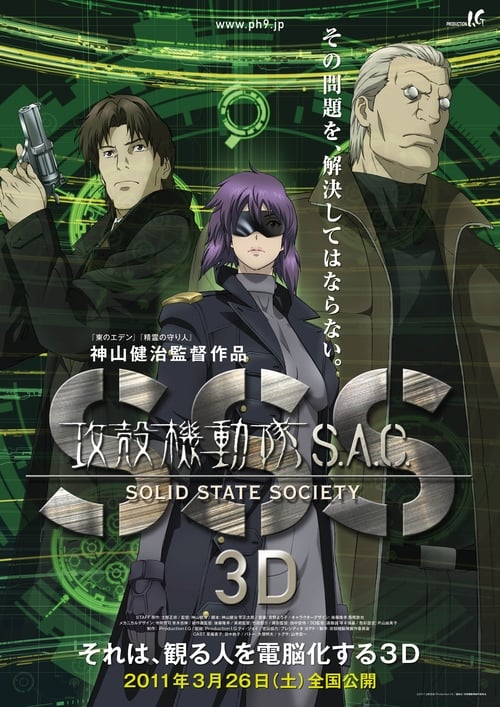
The story takes place in the year 2034, two years after the events in Ghost in the Shell: S.A.C. 2nd GIG. Female cyborg Major Motoko Kusanagi has left Public Security Section 9, an elite counter-terrorist and anti-crime unit specializing in cyber-warfare, which has expanded to a team of 20 field operatives with Togusa acting as the field lead.
2005
2006
2011
2013
2013
2013
2017

2015
No reviews yet. Be the first to share your thoughts on this movie!
Use the rating form above to leave a star rating and optional review.