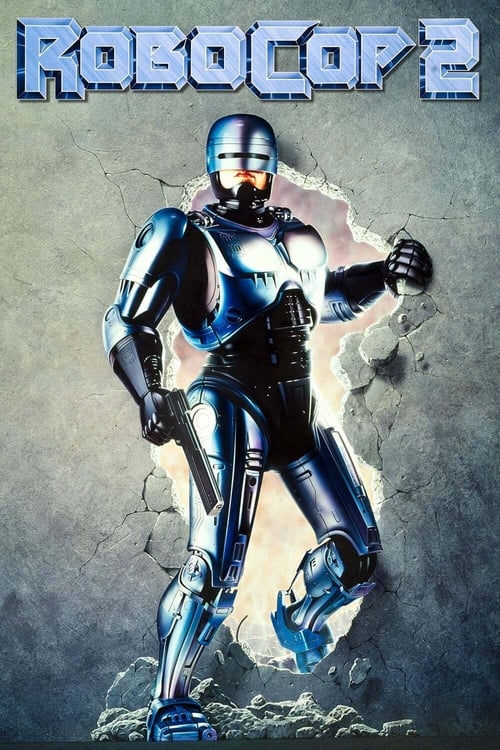
RoboCop 2
1990
No user ratings available yet
Representation score: 6.5 out of 10
Representation Score
Good
1993
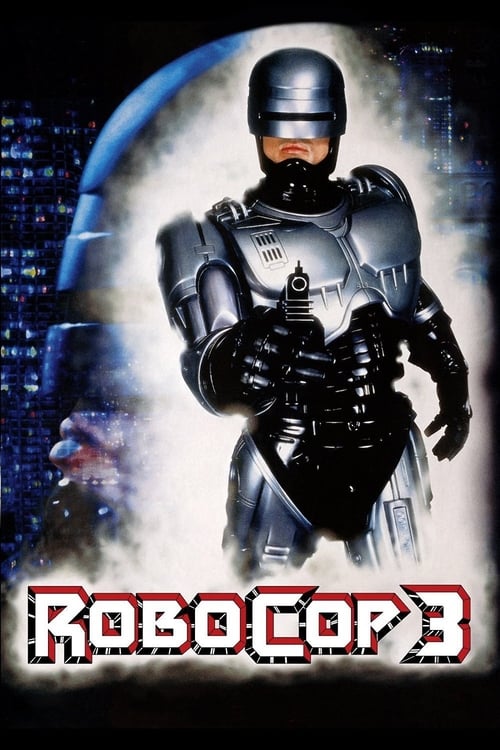
PG-13Director
Fred Dekker
Runtime
105 minutes
Average Rating
No ratings yetNew Showbiz Analysis
RoboCop 3 is a genre piece that prioritizes socio-political commentary over diverse representation. While it lacks meaningful LGBTQ+ or nuanced gender roles, it excels in its critique of corporate dominance. The film's strength lies in its anti-capitalist stance, showing the struggle between a underrepresented populace and a predatory corporation. It also highlights the class-based conflict and the loss of civic rights due to corporate influence. However, the film's character-level representation is limited. Disability is portrayed primarily as a technological metaphor for lost autonomy rather than a nuanced exploration of lived experience.
Category Breakdown
The film does not include any visible LGBTQ+ characters or explore non-straight relationships. Its social framework does not offer any specific critique of the assumption that everyone is straight or cisgender.
The story focuses on male characters and masculine actions. Female characters like Nikole exist within the resistance but do not challenge traditional gender power structures.
The resistance movement includes a mix of socioeconomic and ethnic backgrounds. However, the narrative emphasizes the class struggle between corporate elites and the displaced population.
The film criticizes unchecked capitalism and the privatization of state functions. It portrays Omni Consumer Products as a predatory entity that sees human rights as obstacles to profit.
Alex Murphy is permanently disabled and integrated with cybernetics. His condition is used as a means for action rather than exploring his lived experience or giving him real control over his life.
Present on Screen
Limited or Absent
Official Synopsis
The mega corporation Omni Consumer Products is still bent on creating their pet project, Delta City, to replace the rotting city of Detroit. Unfortunately, the inhabitants of the area have no intention of abandoning their homes simply for desires of the company. To this end, OCP have decided to force them to leave by employing a ruthless mercenary army to attack and harass them. An underground resistance begins and in this fight, RoboCop must decide where his loyalties lie.
1990
1989
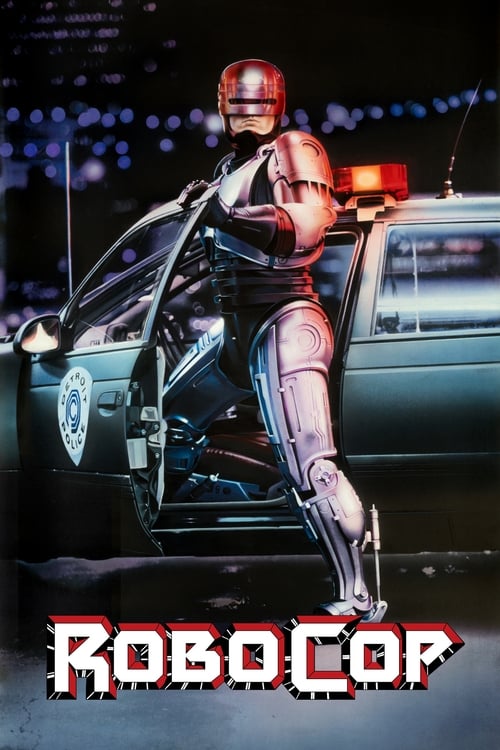
1987

1992

2014
1975

1996
1981
No reviews yet. Be the first to share your thoughts on this movie!
Use the rating form above to leave a star rating and optional review.