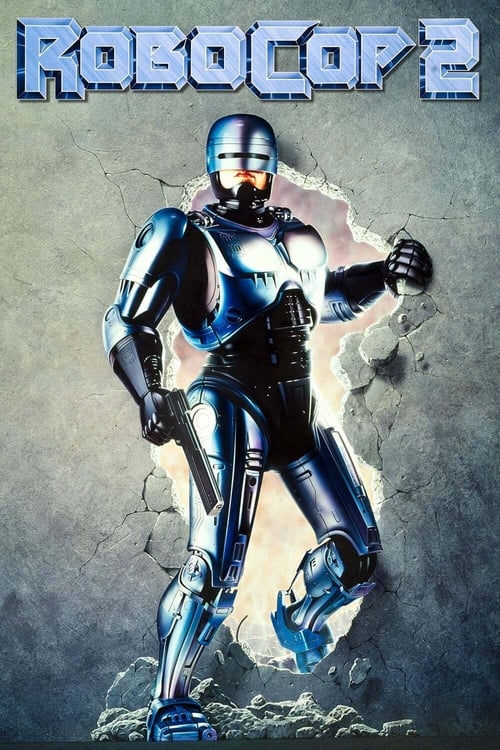
RoboCop 2
1990
No user ratings available yet
Representation score: 6.5 out of 10
Representation Score
Good
1994
TV-14Director
Paul Lynch
Runtime
86 minutes
Average Rating
No ratings yetNew Showbiz Analysis
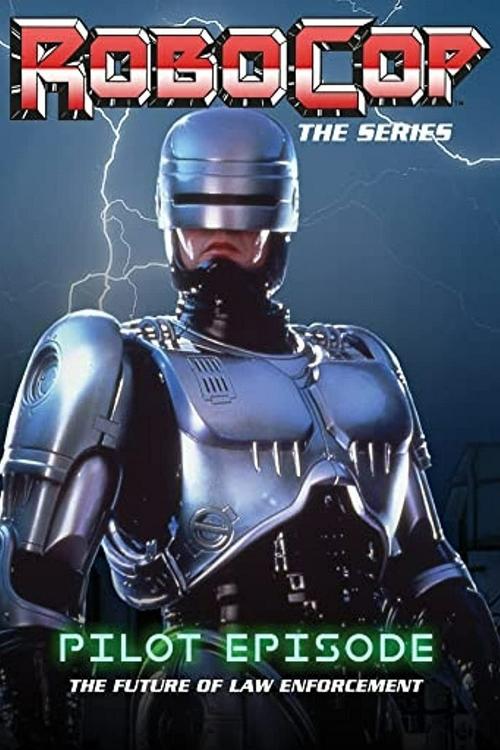
RoboCop: The Future of Law Enforcement operates primarily as a genre-driven sci-fi thriller. It explores the boundaries of identity through technology and the corruption of corporate structures, yet it lacks deep multi-layered complexity. The narrative relies heavily on traditional clichés, focusing on male-driven conflicts and techno-centric plots. While the cyborg nature of the protagonist offers a unique look at physical divergence, the character's ability to drive the story remains limited. Ultimately, the film prioritizes high-stakes action and corporate conspiracy over a deliberate deconstruction of social hierarchies or diverse representation.
Category Breakdown
The story revolves around a partnership between RoboCop and Madigan. There are no explicit LGBTQ themes or non-cisgender identities.
The plot is driven by male characters such as RoboCop and the antagonist Chayken. Diana exists as a digital consciousness but does not have enough visible ability to act to challenge traditional masculine hierarchies.
The narrative focuses on a technological conspiracy involving Dr. Mallardo and Chip Chayken. It lacks a multicultural social landscape and diverse ethnic identities among the cast.
The film critiques institutional power and corporate corruption through the OCP conspiracy. It introduces themes of subjective morality and non-secular spirituality through a ghost inhabiting a machine.
RoboCop represents a physical divergence as a cyborg integrating human consciousness with machinery. However, the inclusion of a 'homicidal psychopath' risks using mental health as a simplified antagonistic cliché.
Present on Screen
Limited or Absent
Official Synopsis
While tracking a ruthless killer, RoboCop and Madigan uncover a conspiracy between insane genius Dr. Cray Mallardo and ruthless OCP executive Chip Chayken, to develop a computer system linked to a human brain. Neuro-brain is created, a system capable of running the public services of the entire city. There's just one glitch: a ghost named Diana inhabits the machine. As RoboCop gets too close to this kindred spirit, Chayken enlists the aid of a homicidal psychopath Pudface Morgan to kill him off.
1990
1995

2001

2013
1984
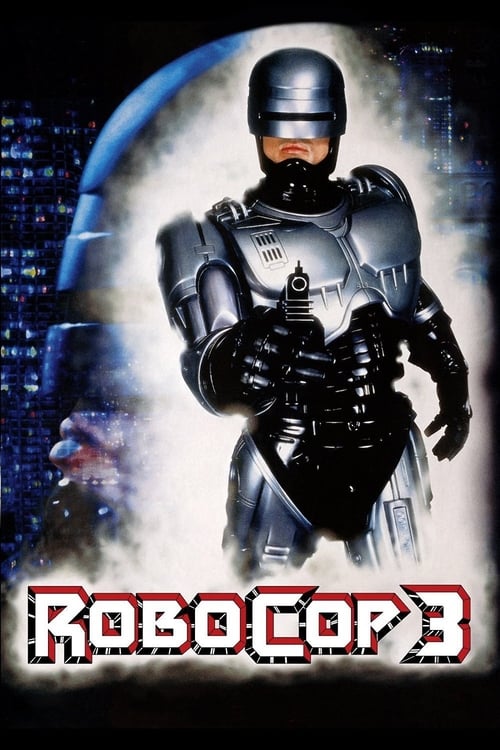
1993

1995
1989
No reviews yet. Be the first to share your thoughts on this movie!
Use the rating form above to leave a star rating and optional review.