Human Form
2014
No user ratings available yet
Representation score: 7.3 out of 10
Representation Score
Good
2015
Director
Isaac Ezban
Runtime
89 minutes
Average Rating
No ratings yetNew Showbiz Analysis
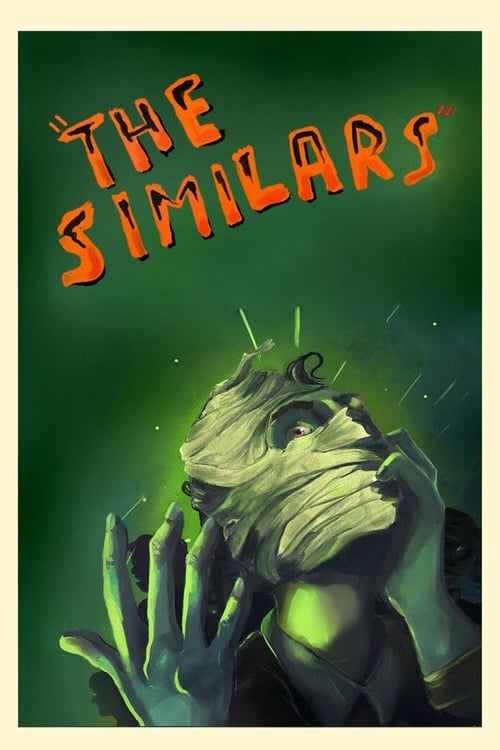
The Similars prioritizes philosophical inquiry and the deconstruction of identity over explicit demographic representation. It succeeds in challenging Western notions of a stable self through a postmodern lens, offering a sophisticated departure from typical genre clichés. While the film lacks LGBTQ+ and nuanced disability representation, it excels by moving away from Hollywood-centric norms. The Mexican setting and the breakdown of traditional social hierarchies provide a meaningful, non-Western perspective on science fiction. Ultimately, the work uses psychological instability as a narrative device for tension. It shifts focus from character-driven identity politics to a broader exploration of moral relativism and the fragility of human institutions.
Category Breakdown
The film explores existential crises through doppelgangers rather than focusing on queer romantic relationships. It does not center on diverse gender identities or sexual orientations.
The film features a mix of genders in a high-stress scientific environment. Traditional hierarchical structures and patriarchal leadership dissolve as characters confront cosmic horror.
Set in 1961 Mexico, the film offers a culturally specific, non-Anglo-Saxon context. The predominantly Mexican cast places the science fiction narrative in a localized setting.
The story delves into postmodernism and the erosion of a stable, singular self. It depicts scientific and institutional authority as fragile and unable to maintain order.
Psychological distress and mental instability are central plot drivers. These elements serve as narrative devices for cosmic horror rather than nuanced portrayals of neurodivergence.
Present on Screen
Limited or Absent
Official Synopsis
Eight people experience a strange phenomenon while waiting for a bus at a remote station on a rainy October night.
2014
1966
2017
1966
2024
2014
2017
2018
No reviews yet. Be the first to share your thoughts on this movie!
Use the rating form above to leave a star rating and optional review.