Find another title
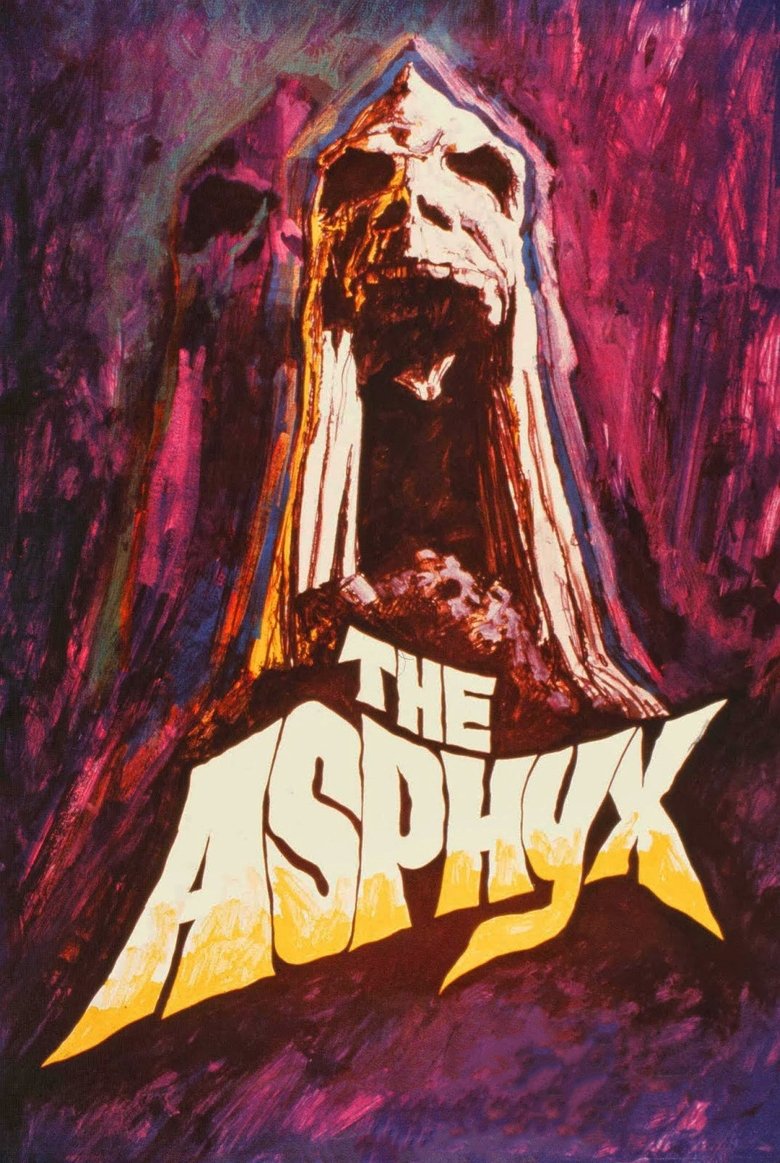
The Asphyx
1972
PGDirector
Peter Newbrook
Runtime
99 minutes
Average Rating
No ratings yetSynopsis
Hugo is a brilliant turn-of-the-century scientist, loved and respected by his family and friends, admired by his colleagues. But he is a man quickly becoming obsessed with a curious and frightening question...What is the mysterious apparition found in the photographs of his dying subjects?
Where to Watch
Diversity & Representation
Overall Score
Limited
Category Breakdown
LGBTQ+ Representation
The narrative centers on a singular male protagonist and his professional obsession. There is no evidence of non-cisnormative identities or narratives that critique heteronormativity.
Gender Representation
Hugo is established as a brilliant scientist, a role traditionally occupied by men in this period setting. The focus on his individual pursuit suggests a conventional patriarchal framework.
Racial & Ethnic Diversity
The turn-of-the-century setting suggests a tendency toward Anglo-centric perspectives. There is no immediate indication of diverse ethnic agency or race-bent casting.
Religious & Cultural Diversity
The film utilizes a traditional Western scientific framework. Themes of family respect and professional admiration align with traditional social stability rather than cultural deconstruction.
Disability Representation
While the plot involves dying subjects, there is no evidence that disability or neurodivergence is portrayed as a central element of character agency.
Strengths
- The film provides a focused character study of a brilliant scientist driven by professional obsession.
Areas for Improvement
- The narrative lacks diverse representation across gender, race, and LGBTQ+ identities.
- The story adheres to conventional patriarchal and Anglo-centric frameworks common to its era.
- There is no meaningful engagement with disability or neurodivergent lived experiences.
AI Analysis
The film operates within the standard genre constraints of 1970s speculative horror. It relies on established historical tropes, focusing on an individualistic scientific pursuit and conventional social hierarchies. The narrative architecture lacks intentionality regarding demographic disruption. It adheres to the era's tendency toward homogeneous casting and traditional power structures, centering the story on a male-driven intellectual inquiry. Ultimately, the work functions as a traditional period piece that reinforces rather than challenges the social norms of its setting.
Rate this Movie
Reviews
No reviews yet. Be the first to share your thoughts on this movie!
Use the rating form above to leave a star rating and optional review.