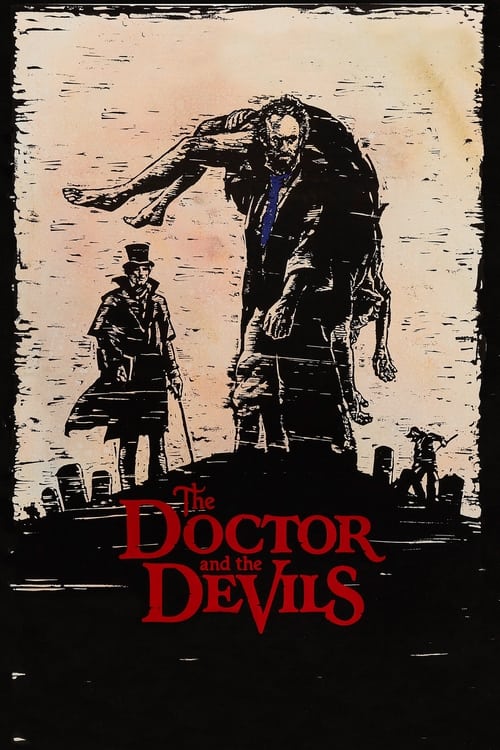
The Doctor and the Devils
1985
No user ratings available yet
Representation score: 1.4 out of 10
Representation Score
Limited
1960
NRDirector
John Gilling
Runtime
94 minutes
Average Rating
No ratings yetNew Showbiz Analysis
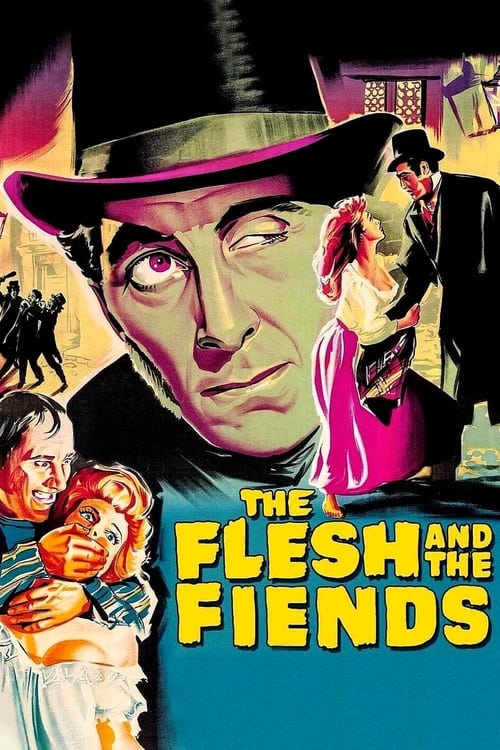
The Flesh and the Fiends is a period horror film set within the strict social hierarchies of 19th-century Edinburgh. Its narrative focuses on the dark intersection of scientific ambition and criminal opportunism. While the film provides a subtle critique of the ethics surrounding medical advancement, it does so through a lens that upholds the demographic norms of its time. Power dynamics are predominantly male-driven, limiting diverse representation. Ultimately, the film serves as a traditional genre piece prioritizing historical accuracy and atmospheric horror over contemporary standards of social diversity.
Category Breakdown
The film does not include any LGBTQ+ characters or representations of non-straight relationships. It stays true to the social norms of its 19th-century setting.
Male characters, particularly Dr. Knox, Burke, and Hare, dominate the narrative. Women are mostly portrayed as victims within the medical and criminal contexts.
The cast appears ethnically uniform, reflecting the historical setting of Edinburgh. There is no indication of racial diversity among the main characters.
The story examines the tension between scientific progress and traditional morality. It questions the ethics of institutionalized science through the lens of medical necessity.
There is no specific depiction of neurodivergence or physical disabilities. Bodies are treated more as medical specimens than as characters with individual ability to act.
Present on Screen
Limited or Absent
Official Synopsis
Edinburgh surgeon Dr. Robert Knox requires cadavers for his research into the functioning of the human body; local ne'er-do-wells Burke and Hare find ways to provide him with fresh specimens...
1985
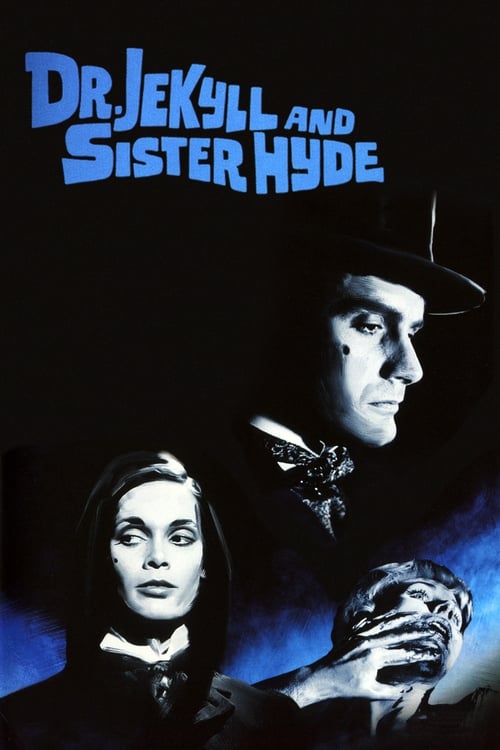
1971
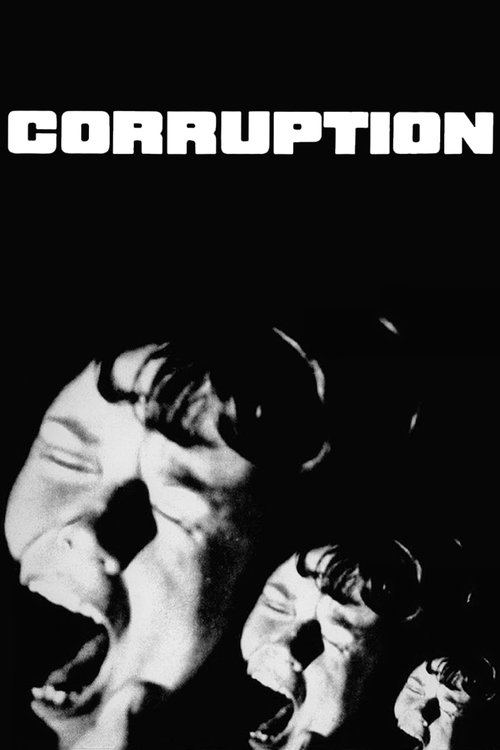
1968

1974
1972
1974
1948
1960
No reviews yet. Be the first to share your thoughts on this movie!
Use the rating form above to leave a star rating and optional review.