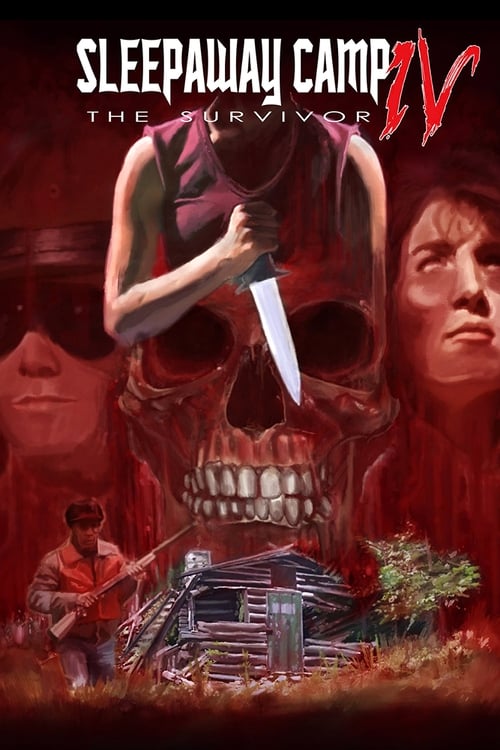
Sleepaway Camp IV: The Survivor
2012
No user ratings available yet
Diversity score: 3.3 out of 10
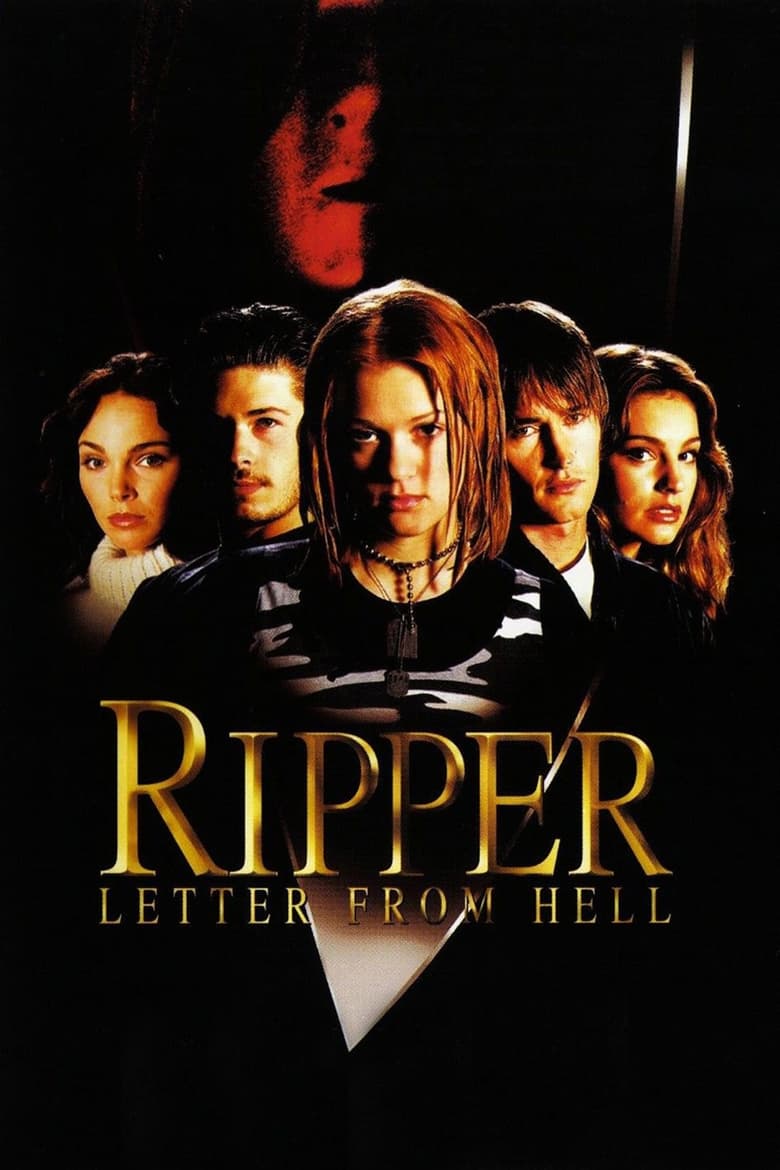
2001
Director
John Eyres
Runtime
114 minutes
Average Rating
No ratings yetSynopsis
A massacre survivor studies serial killers under a famous expert, but her classmates soon start dying at the hands of a Jack the Ripper copycat.
Overall Score
Limited
Category Breakdown
LGBTQ+ Representation
The film lacks visible non-cisnormative identities or narratives that challenge heteronormativity. It relies on traditional horror archetypes that typically offer little queer visibility.
Gender Representation
A female survivor provides a baseline for agency through her specialized intellect. However, she remains positioned within a slasher framework where women often serve as targets of violence.
Racial & Ethnic Diversity
The narrative leans toward Western historical tropes, suggesting a likely adherence to homogeneous casting. There is no indication of a diverse or non-white majority cast.
Religious & Cultural Diversity
The story centers on the Jack the Ripper mythos and individual survival. It focuses on genre mechanics rather than deconstructing social hierarchies or Western institutions.
Disability Representation
The protagonist's status as a massacre survivor may imply psychological trauma. However, this appears to function as a plot device rather than a nuanced exploration of lived experience.
Strengths
Areas for Improvement
AI Analysis
Ripper: Letter from Hell operates strictly within the established conventions of early 2000s horror. The film prioritizes the mechanics of the slasher genre and the Jack the Ripper legend over any meaningful exploration of identity or systemic power structures. While the female protagonist possesses intellectual agency, the narrative remains tethered to traditional tropes where female characters are often reactive to patriarchal violence. The lack of diverse casting or intersectional character studies results in a narrow demographic focus. Ultimately, the film serves as a standard genre exercise. It lacks the intentionality required to disrupt social hierarchies or provide complex representations of race, culture, or neurodivergence.
2012
2004
2017
1960
1993

1981
1989
2003
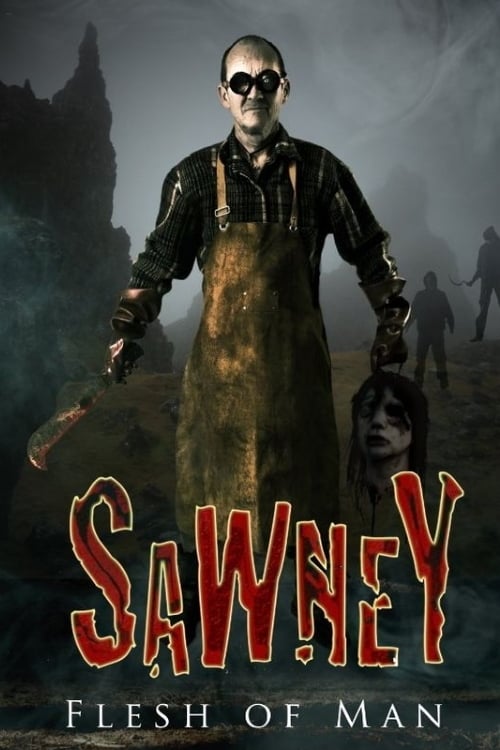
2012
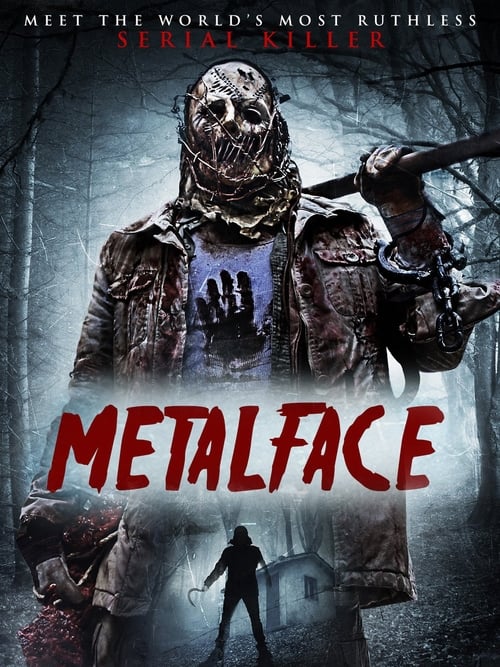
2015
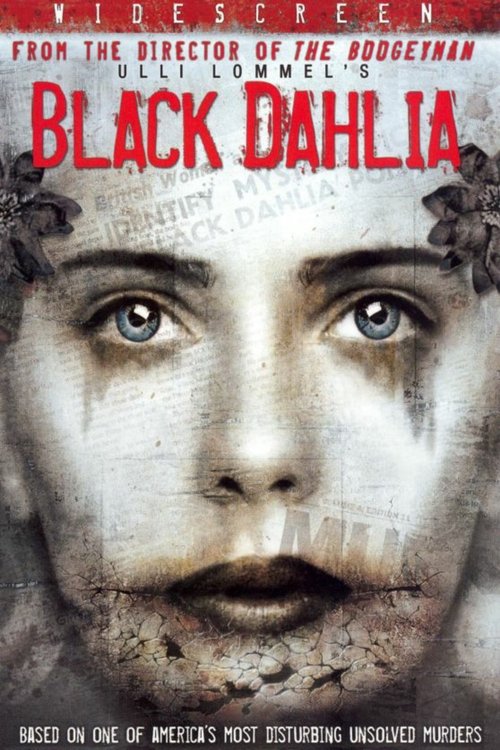
2006
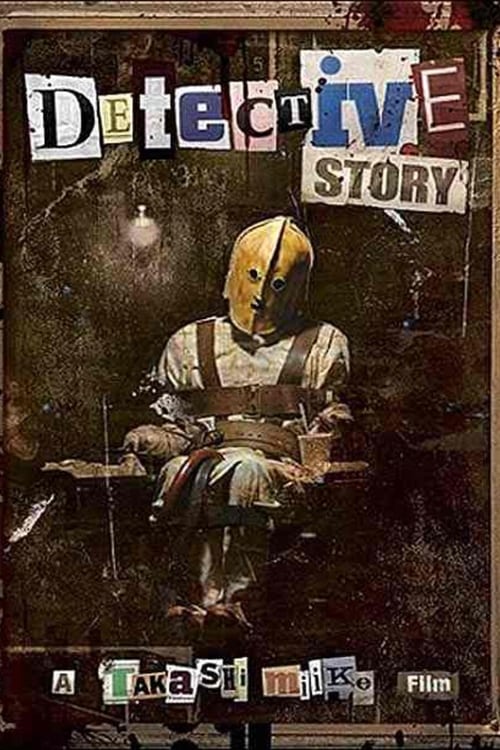
2007
No reviews yet. Be the first to share your thoughts on this movie!
Use the rating form above to leave a star rating and optional review.