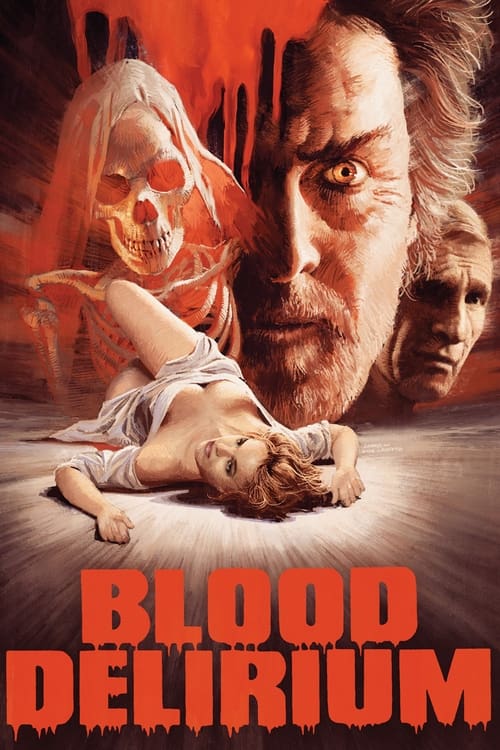
Blood Delirium
1988
No user ratings available yet
Diversity score: 2.5 out of 10

1961
Director
Sidney J. Furie
Runtime
92 minutes
Average Rating
No ratings yetSynopsis
After being thrown out of medical school for ethical violations, Dr. Peter Blood returns home to a small Cornish village, where he sets up a research laboratory in a secluded cave. There, he attempts to revive the dead, using kidnapped humans -- who he views as unworthy of life -- for their body parts, specifically, their hearts.
Overall Score
Limited
Category Breakdown
LGBTQ+ Representation
The film lacks any visible LGBTQ+ characters or explorations of non-heteronormative identities. It operates within a strictly heteronormative social framework typical of its era.
Gender Representation
Female characters are relegated to supporting roles, often serving as secondary figures or emotional motivators. The narrative focuses heavily on male professional identity and psychological breakdown.
Racial & Ethnic Diversity
The cast is predominantly homogeneous, reflecting the demographic norms of 1961 British production. There is no meaningful integration of diverse ethnic identities within the Eurocentric setting.
Religious & Cultural Diversity
The story follows a standard moral arc regarding criminal culpability and professional codes. It does not prioritize secularism or offer a critique of Western institutions.
Disability Representation
Mental health and psychological instability are used primarily as plot devices to establish villainy. The film lacks an empathetic or agentic portrayal of neurodivergence.
Strengths
Areas for Improvement
AI Analysis
Doctor Blood's Coffin is a product of its time, adhering to the established social hierarchies and homogeneous casting of the early 1960s. The narrative architecture prioritizes individual pathology and mid-century horror tropes over any systemic critique or diverse representation. The film's focus remains centered on a white, Eurocentric social fabric and traditional gender roles. It lacks the intentionality needed to disrupt conventional expectations regarding identity or power dynamics. Ultimately, the production functions within a narrow demographic scope, offering little room for varied cultural or social perspectives.
1988
1972

1957
1984

1960

1987
1970
1968
1979
1971
1964

1981
No reviews yet. Be the first to share your thoughts on this movie!
Use the rating form above to leave a star rating and optional review.