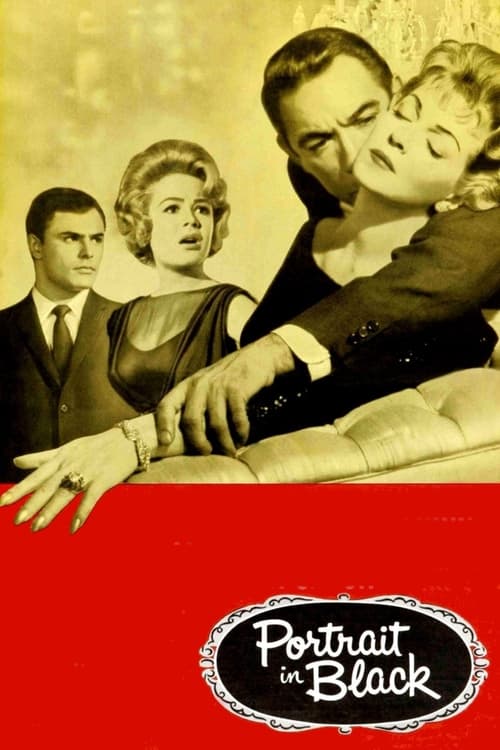
Portrait in Black
1960
No user ratings available yet
Representation score: 2.0 out of 10
Representation Score
Limited
1965
Director
Howard Veit, Eber Lobato
Runtime
78 minutes
Average Rating
No ratings yetNew Showbiz Analysis
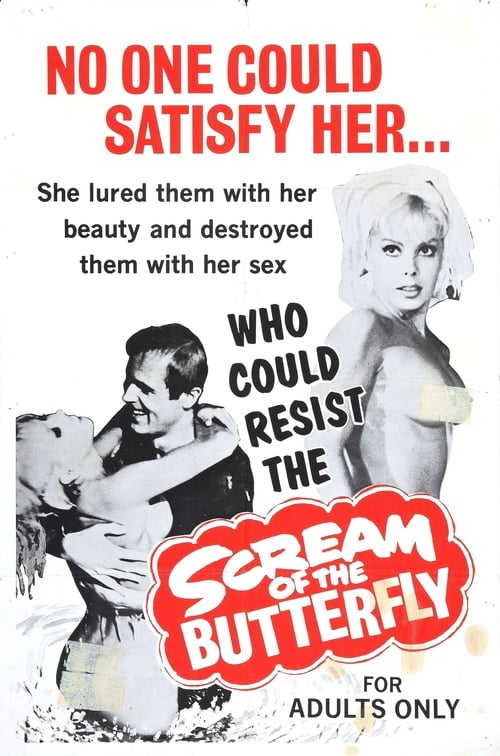
Scream of the Butterfly operates primarily as a mid-century noir and melodrama. It uses themes like bisexuality and infidelity to fuel its crime-driven plot, offering a minor deviation from the era's usual moral standards. However, the film lacks deeper exploration of these themes. The female protagonist's role is limited to the 'femme fatale' stereotype, and the casting reflects the era's lack of racial diversity.
Category Breakdown
The film touches on bisexuality, offering a slight change from the strictly heterosexual themes common in 1960s cinema. However, these elements likely serve as plot devices rather than deep explorations of identity.
A female protagonist drives the story through deception and manipulation to gain wealth. She shows significant involvement in the narrative but remains confined to the traditional 'femme fatale' stereotype of crime thrillers.
The film adheres to the typical casting practices of the mid-1900s, showing no signs of a diverse cast or efforts towards racial integration.
Themes of adultery and greed challenge traditional marital sanctity but remain tied to the genre's specific clichés rather than broader societal critiques.
There are no characters with visible or invisible disabilities in the film.
Present on Screen
Limited or Absent
Official Synopsis
A beautiful woman marries a rich man for his money, then embarks on an affair and plans to use her boyfriend to help murder her husband.
1960
1971
1960
1946
1945

1958
1957
1954
No reviews yet. Be the first to share your thoughts on this movie!
Use the rating form above to leave a star rating and optional review.