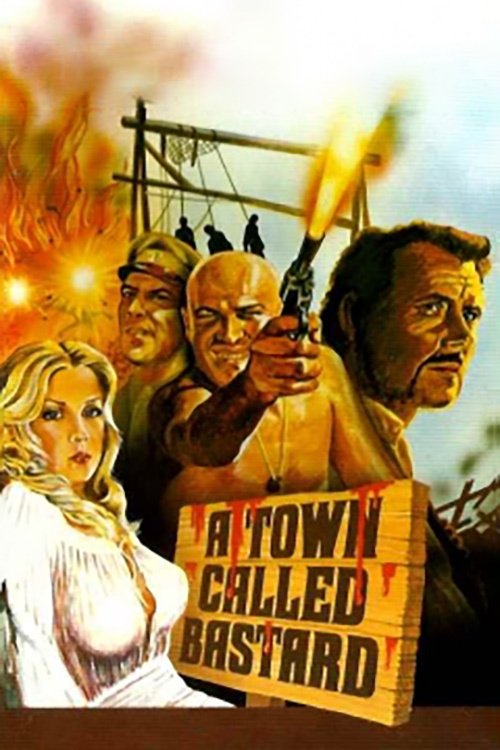
A Town Called Bastard
1971
No user ratings available yet
Representation score: 5.3 out of 10

Representation Score
Minimal
1971
RDirector
Paul Hunt
Runtime
95 minutes
Average Rating
No ratings yetNew Showbiz Analysis
The film opens on the sun-bleached desolation of the Mexican border, a landscape that immediately rejects the romanticized adventure of the classic Western. *Machismo: 40 Graves for 40 Guns* sells a gritty, cynical look at the frontier, but its argument is constrained by the men who populate it. The sold meaning is a critique of ego: the camera lingers on the weathered faces of Hidalgo and Lopez, treating their bravado as a running gag that leads to their downfall. The punchline is clear—the man who thinks he is the toughest is often the first to die—and the film shows the bodies to prove it. However, the film’s internal logic pulls apart when it attempts to deconstruct masculinity while still relying on it for structure. The "machismo" that drives the plot is exposed as a hollow, destructive force, yet the resolution rewards survival through traditional masculine codes. The camera loves the shared vulnerability of the men, but it also captures the cold, hard look in their eyes when they draw their guns. The ending is a moral verdict on violence: it begets violence, and the ego that sought glory is punished. This 1971 Western reflects the era’s shift toward more cynical, morally ambiguous narratives. It does not offer a clean escape; the survivors are left with the weight of their deeds. The film’s argument is thin in its gender and cultural framing, treating the male experience as the only relevant lens. The last image is simple: the surviving characters stand amidst the aftermath, and the silence speaks louder than any sermon. The film is a grim, effective portrait of a world where the only currency is survival, and the cost is always paid in blood.
Category Breakdown
No queer characters or same-sex intimacy appear. Relationships remain strictly heterosexual or platonic male camaraderie. The narrative offers no non-binary identities or alternative romantic structures.
Women exist only as off-screen victims, specifically the killed priest’s wife and children. The story operates as a closed male ecosystem where competence is defined by gunplay and survival.
Mexican actors Robert Padilla, Gregory Sierra, and Federico Gómez lead the cast as primary protagonists. Hidalgo serves as the moral and tactical center, not a sidekick to a white savior.
The film critiques frontier violence but treats male dominance as the natural order. The title’s machismo is exposed as hollow, yet resolution relies on traditional masculine codes of honor and retribution.
No characters possess visible physical or cognitive impairments. Injuries function as temporary plot devices resulting from gunfights, not ongoing conditions that shape character identity.
Present on Screen
Limited or Absent
Official Synopsis
A Mexican bandit and his gang are offered a pardon and a cash reward if he will cross the border into America and bring back a gang of murderous gold thieves who robbed the local church and killed the priest and the Head Federales' wife and children.
1971
1967
1971

1967
1966
1956
1971
1971
No reviews yet. Be the first to share your thoughts on this movie!
Use the rating form above to leave a star rating and optional review.