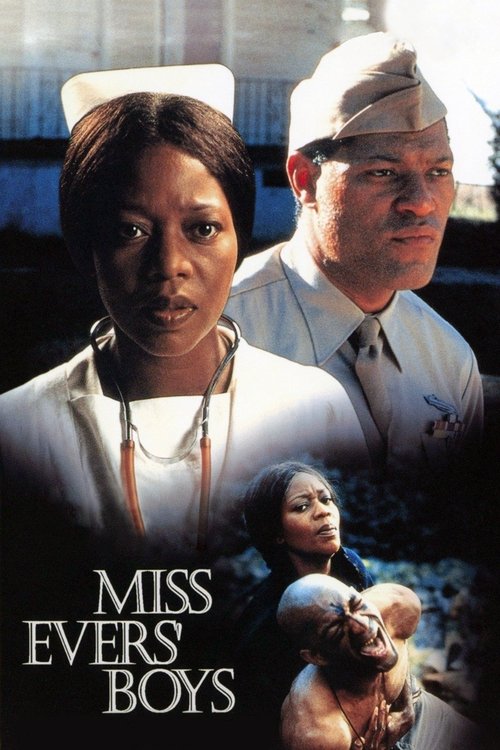
Miss Evers' Boys
1997
No user ratings available yet
Representation score: 7.1 out of 10
No Poster Available
Representation Score
Good
1993
TV-PGDirector
Denise DiAnni
Runtime
57 minutes
Average Rating
No ratings yetNew Showbiz Analysis
This production serves as a harrowing examination of systemic medical malpractice and racial exploitation. It shifts the focus from the triumphs of medical science to the deliberate architecture of neglect used against underrepresented populations. The film succeeds by centering the lived experiences of Black men who were victims of state-sanctioned experimentation. This approach provides a necessary critique of how institutional power can be weaponized against vulnerable communities. While the narrative lacks gender diversity in its decision-making roles, its rigorous deconstruction of racial and institutional injustice provides a powerful, critical perspective on historical medical progress.
Category Breakdown
The film does not include any LGBTQ+ characters or stories. There is no representation of LGBTQ+ individuals in this historical setting.
The story focuses on a group of male characters, highlighting their vulnerabilities. However, the decision-makers and doctors represent traditional patriarchal structures of authority.
The film offers a deep critique of racial hierarchies by centering 399 Black men in the American South. It challenges heroic medical clichés to highlight the systemic harm experienced by these individuals.
The production deconstructs the perceived moral superiority of Western scientific progress. It highlights the breakdown of trust between the state and citizens through the 'bad blood' deception.
The story focuses on the physical and mental degeneration caused by syphilis. It treats these conditions as direct consequences of institutional cruelty rather than mere plot devices.
Present on Screen
Limited or Absent
Official Synopsis
For 40 years between 1932-1972, the U.S. Public Health Service conducted an experiment on 399 black men in the late stages of syphilis. These men, for the most part illiterate sharecroppers from one of the poorest counties in Alabama, were never told what disease they were suffering from or of its seriousness. Informed that they were being treated for “bad blood,” their doctors had no intention of curing them of syphilis at all. The data for the experiment was to be collected from autopsies of the men, and they were thus deliberately left to degenerate under the ravages of tertiary syphilis—which can include tumors, heart disease, paralysis, blindness, insanity, and death. “As I see it,” one of the doctors involved explained, “we have no further interest in these patients until they die.
1997
2017

2023

1993

2016
No reviews yet. Be the first to share your thoughts on this movie!
Use the rating form above to leave a star rating and optional review.