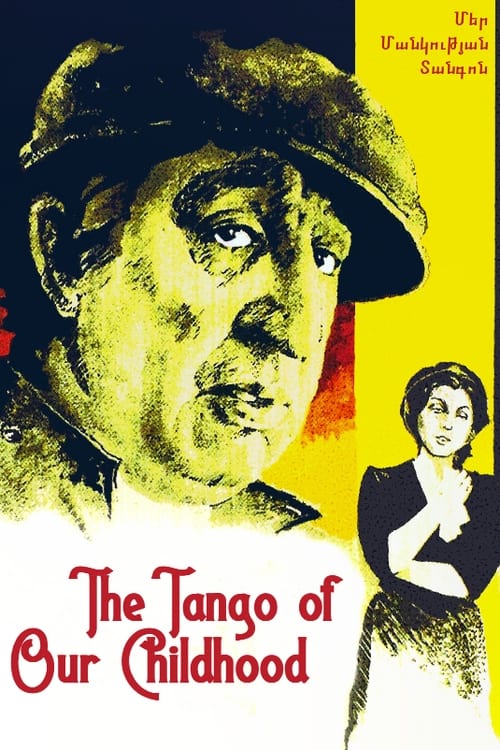
The Tango of Our Childhood
1984
No user ratings available yet
Representation score: 5.4 out of 10
Representation Score
Fair
1975
Director
Edmond Keosayan
Runtime
91 minutes
Average Rating
No ratings yetNew Showbiz Analysis
The film succeeds as a character study that centers an ethnic minority and an elderly protagonist. By placing an Armenian man at the heart of a Moscow-set drama, it highlights the lived experience of the diaspora and the intersection of ethnic identity with urban life. However, the film operates within a traditional framework. The focus on patriarchal family structures and the absence of LGBTQ+ representation limits its broader social scope. While the protagonist's terminal illness is handled with ability to act, the gender dynamics remain conventional. Ultimately, the work is a humanistic drama that uses a personal journey to challenge the passivity often associated with the elderly or the ill.
Category Breakdown
The film does not include any LGBTQ+ characters or narratives. The story revolves around traditional familial bonds between a grandfather and his grandson.
The narrative centers on a male protagonist within a traditional patriarchal family structure. There is little evidence of women having significant roles or challenging gender hierarchies.
The film provides strong ethnic representation by centering an Armenian protagonist in Moscow. It explores the experience of a minority navigating a dominant metropolitan center.
The story prioritizes humanistic connections and personal joy over state-centric narratives. It focuses on themes of mortality and the importance of familial duty.
The protagonist is terminally ill but remains a proactive driver of the plot. His illness does not render him a passive figure in the story.
Present on Screen
Limited or Absent
Official Synopsis
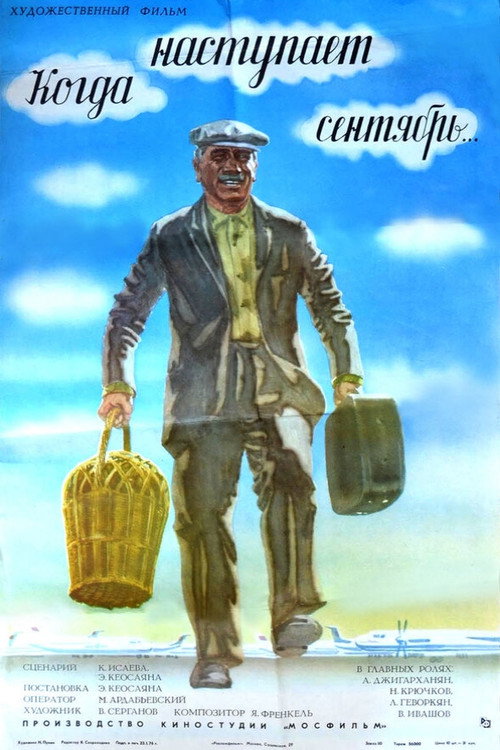
Pensioner Levon Poghosyan flew to Moscow from Armenia to congratulate his grandson on his first day of school. And it doesn't matter at all that Levon is already at an advanced age and terminally ill. The main thing is to bring joy to loved ones and new acquaintances, of whom there are many in this big, noisy city...
1984
1980

2008
1977

2012
2020
2016
1990
No reviews yet. Be the first to share your thoughts on this movie!
Use the rating form above to leave a star rating and optional review.