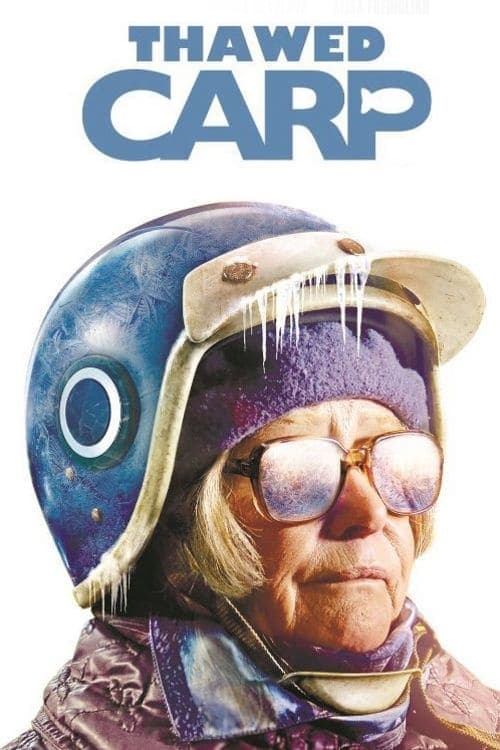
Thawed Carp
2017
No user ratings available yet
Representation score: 3.5 out of 10

Representation Score
Good
2012
Director
Victor Shamirov
Runtime
72 minutes
Average Rating
No ratings yetNew Showbiz Analysis
Victor Shamirov’s film centers on intimate, character-driven realism, delving into the minutiae of human vulnerability. It prioritizes existential inquiry and the human condition over broader demographic markers or identity politics. The narrative excels in its nuanced portrayal of terminal illness and the ability to act of its young female protagonist. However, it falls short in terms of visible racial or LGBTQ+ diversity. Overall, the film stands as a balanced, realist drama, trading broad representation for a deep, subjective exploration of life’s small, tragic moments.
Category Breakdown
The film does not include any explicit LGBTQ+ characters or narratives. Instead, it focuses on the challenges of dealing with terminal illness within a family.
A 15-year-old girl serves as the central figure, showcasing her intellectual independence and personal existential choices. She drives the narrative with her career aspirations and personal growth.
The film is set in Moscow and seems to depict a relatively homogeneous population, reflecting the current demographic makeup of urban Russia.
The movie maintains a secular, existential tone, focusing on everyday life and the inevitability of death. It avoids larger nationalistic or religious themes.
The film presents terminal illness in a realistic manner, highlighting the impact of a life-threatening condition on a family. It emphasizes the helplessness and systemic burden of such illnesses.
Present on Screen
Limited or Absent
Official Synopsis
December, 31st. Impossible Moscow traffic, an endless rush leading to nothing, people trying to help but not making things any better. Small talk… about small things that fill one’s life — and make it pass us by too quickly. About Dad, who’s only got a few weeks left to live — and there’s nothing you can do to help... About plans for life of a 15-year-old girl — should she become a cancer specialist or a food designer?
2017
2015
2015
1980
2011
2024

2012
2020
No reviews yet. Be the first to share your thoughts on this movie!
Use the rating form above to leave a star rating and optional review.