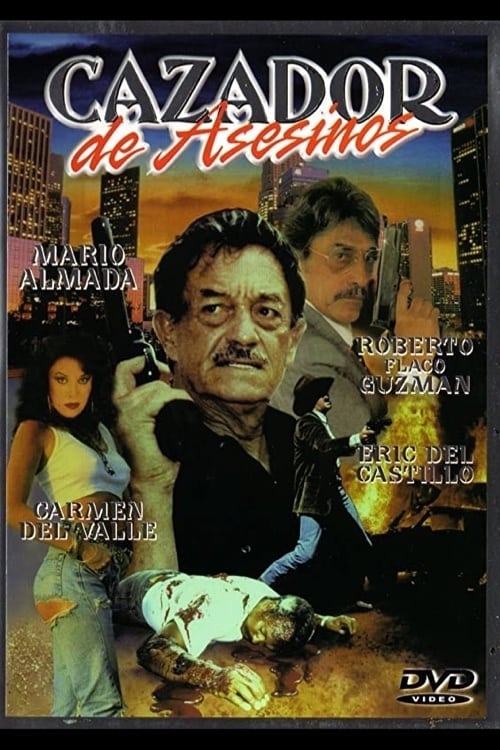
Cazador De Asesinos
1983
No user ratings available yet
Representation score: 1.9 out of 10

Representation Score
Limited
1985
Director
Juan Carlos Desanzo
Runtime
83 minutes
Average Rating
No ratings yetNew Showbiz Analysis
La búsqueda is a film that finds its strength in historical engagement rather than broad demographic representation. It functions as a sophisticated deconstruction of state authority, using the trauma of political violence to challenge national narratives. This engagement with memory provides significant qualitative value to its social commentary. However, the film operates within a very traditional framework regarding identity. The character dynamics are largely defined by patriarchal structures and conventional kinship, offering little room for non-cisgender or diverse gender expressions. The focus remains on the masculine experience of loss and pursuit. Ultimately, the film is a regional study of systemic instability. While it lacks modern multi-layered casting, its commitment to exploring the human cost of state repression makes it a vital piece of Argentine cinematic memory.
Category Breakdown
The film emphasizes traditional family structures and masculine experiences of grief. It does not include non-straight or non-cisgender identities or stories that question the assumption that everyone is straight or cisgender.
The narrative focuses on patriarchal structures and masculine roles. Although a daughter seeks revenge, the film mainly highlights the importance of paternal legacy and masculine motivations.
The film centers on the local Argentine population and its unique social conditions. It does not blend different backgrounds intentionally but avoids Western stereotypes by staying true to its regional identity.
The film delves into the 'Cinema of Memory,' addressing the trauma of the disappeared. It criticizes state power and traditional institutions as sources of instability and political violence.
There are no visible or invisible disabilities depicted in the film. The narrative focuses on political and familial trauma.
Present on Screen
Limited or Absent
Official Synopsis
A family is taken hostage by a trio of criminals. The father is killed, and the daughter swears revenge.
1983

2019

1989

1973
1987

2002

2020

2014
No reviews yet. Be the first to share your thoughts on this movie!
Use the rating form above to leave a star rating and optional review.