
Sweet Revenge
1987
No user ratings available yet
Representation score: 2.4 out of 10
Representation Score
Limited
1992
PG-13Director
Duccio Tessari
Runtime
113 minutes
Average Rating
No ratings yetNew Showbiz Analysis
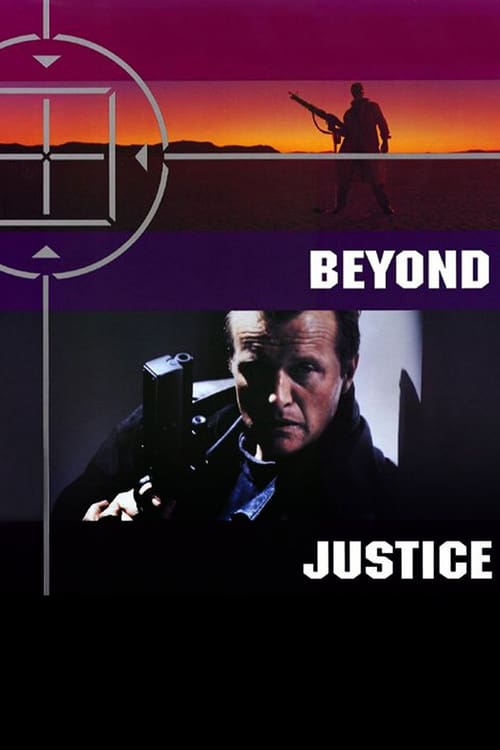
Beyond Justice utilizes a classic rescue mission framework that leans heavily on established adventure clichés. While the film introduces cross-cultural elements through its Moroccan setting and the character of the Arab chieftain, it remains anchored in traditional power dynamics. The narrative provides a degree of women's ability to drive the story by centering the conflict on a mother's quest. However, the resolution and primary action are largely driven by male characters, including the mercenary and the chieftain. Ultimately, the film's structure prioritizes conventional straight relationships and Western perspectives on foreign intervention, limiting its depth regarding diverse representation.
Category Breakdown
The film centers on traditional heterosexual family dynamics involving an ex-husband, a mother, and their son. There are no characters with non-straight identities or stories that challenge traditional sexual orientations.
A female protagonist drives the plot by hiring a mercenary to rescue her son. However, the story remains focused on male figures and traditional roles of maternal protection and masculine intervention.
The story features a cross-cultural conflict set in Morocco involving an Arab chieftain. While it includes non-Western characters, the mercenary cliché risks framing these cultures through an exoticized lens.
The narrative explores tensions between Western and North African tribal traditions. It presents a non-Western power structure but follows a Westerner's perspective when intervening in foreign sovereignty.
The available information does not mention any characters navigating physical or neurodivergent disabilities.
Present on Screen
Limited or Absent
Official Synopsis
A woman's ex-husband, who is the son of an Arab chieftain, kidnaps their teenage son and brings him back to Morocco, where the boy is to be made the leader of the tribe. The child's mother hires a mercenary to get her son and bring him back to her.
1987

1975
1993

1980

1991

1991
1987

1985
No reviews yet. Be the first to share your thoughts on this movie!
Use the rating form above to leave a star rating and optional review.