The Pink Flea
1971
No user ratings available yet
Representation score: 4.2 out of 10
Representation Score
Fair
1975
GDirector
Gerry Chiniquy
Runtime
6 minutes
Average Rating
No ratings yetNew Showbiz Analysis
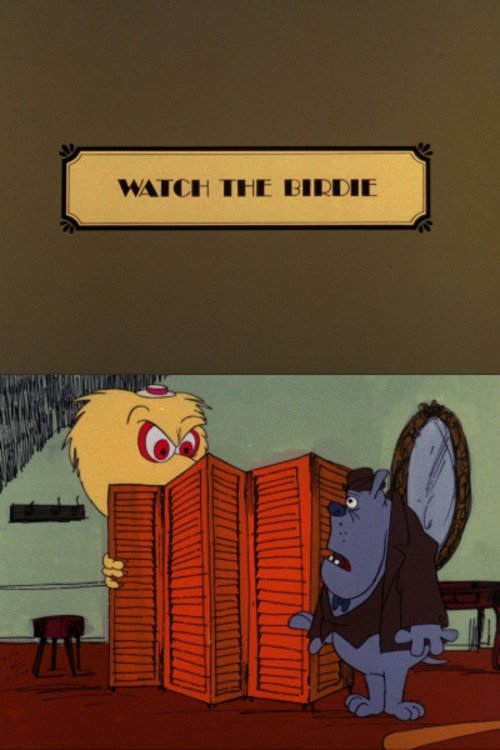
Watch the Birdie follows a typical 1970s animation structure focusing on a simple hero-versus-villain dynamic. The narrative lacks the complexity needed to explore social hierarchies or identity-based storytelling. Using anthropomorphic animals helps avoid showing racial and ethnic markers, leading to a lack of cultural diversity. While the plot uses magical elements, it doesn’t use them to critique social or religious institutions. Ultimately, the film relies on well-known genre clichés. The transformation of a character into a monster suggests a possible reliance on physical deformity as a narrative device rather than a nuanced exploration of disability.
Category Breakdown
The film doesn't include any explicit representations of LGBTQ+ identities or relationships outside of traditional heterosexual ones. The story revolves around a straightforward conflict between a protagonist and an antagonist.
The story centers on a power struggle between Dogfather and Pugg, emphasizing a traditional hierarchy. There is no indication of female empowerment or challenging traditional gender roles.
The anthropomorphic dog characters don't show any specific racial or ethnic traits. This absence of human characteristics means there's no meaningful representation of different aspects of identity.
The plot includes fantastical elements like a transformation potion but doesn't engage with Western institutions, capitalism, or significant anti-establishment themes.
Charlie the Singer’s transformation into a hideous monster might use physical deformity as a symbol for otherness. The film seems to rely on traditional narrative devices.
Present on Screen
Limited or Absent
Official Synopsis
Dogfather orders Pugg to wipe out Charlie the Singer. However, Charlie drinks a potion that changes him into a hideous monster.
1971
1978
1975
1977
1967
1947
1975
1974
No reviews yet. Be the first to share your thoughts on this movie!
Use the rating form above to leave a star rating and optional review.