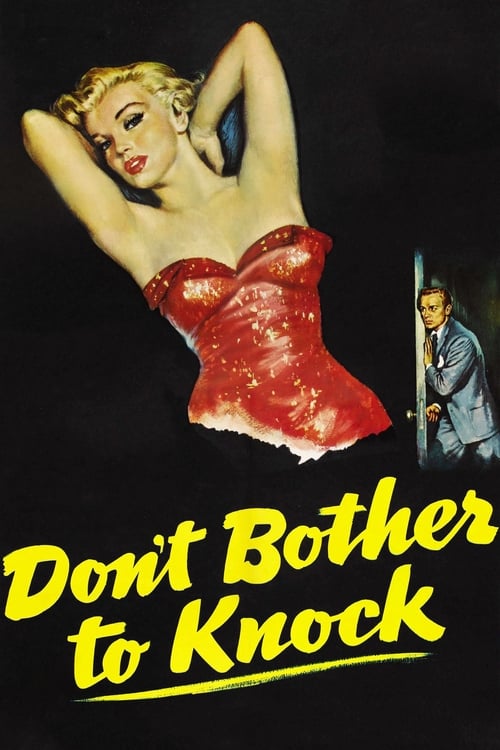
Don't Bother to Knock
1952
No user ratings available yet
Representation score: 1.4 out of 10
Representation Score
Limited
1948
NRDirector
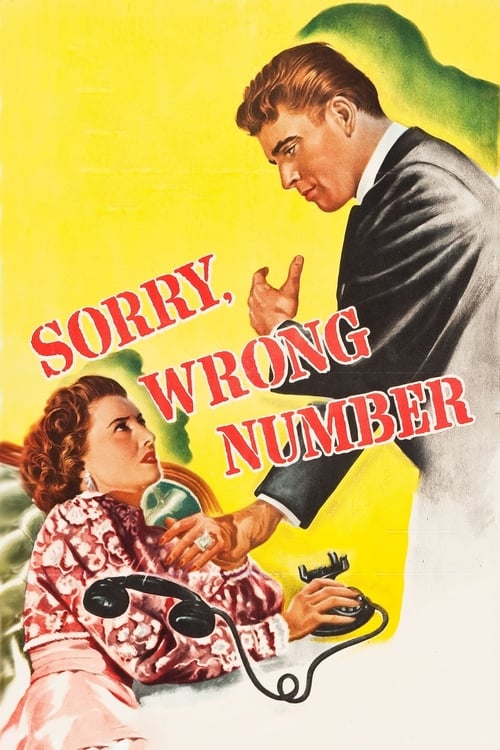
Anatole Litvak
Runtime
89 minutes
Average Rating
No ratings yetNew Showbiz Analysis
Anatole Litvak’s thriller excels in creating psychological tension but operates within a narrow social scope. The film prioritizes the fear of individual victimization over diverse demographic representation, reflecting the constraints of the era's studio system. The narrative centers around a powerful performance that balances emotional intensity with physical helplessness. While the protagonist drives the plot, she does so from a position of systemic vulnerability. Ultimately, the film is a product of its time, maintaining the homogeneous social hierarchies of 1948. It delivers a gripping suspense experience but lacks engagement with diverse identities or social critiques.
Category Breakdown
The film does not include any LGBTQ+ characters or explore non-straight relationships. The social world is focused solely on traditional heterosexual relationships.
Leona Stevenson's character provides a complex look at female empowerment, though her power is limited due to her physical confinement. The story emphasizes her helplessness against male-dominated systems like the police.
The setting is a homogeneous, white, upper-middle-class urban environment. There is no significant presence of non-white characters or engagement with diverse racial backgrounds.
The story follows traditional Western social structures and capitalist lifestyles. It depicts a binary moral framework without critiquing Western institutions or the nuclear family.
Physical confinement serves as a primary plot device, exploring the psychological impact of isolation. However, the portrayal uses her state as a suspense element rather than a nuanced study of disability.
Present on Screen
Limited or Absent
Official Synopsis
Leona Stevenson is confined to bed and uses her telephone to keep in contact with the outside world. One day she overhears a murder plot on the telephone and is desperate to find out who is the intended victim.
1952

1960

1971
1950
2021
1963

1954

1959
No reviews yet. Be the first to share your thoughts on this movie!
Use the rating form above to leave a star rating and optional review.