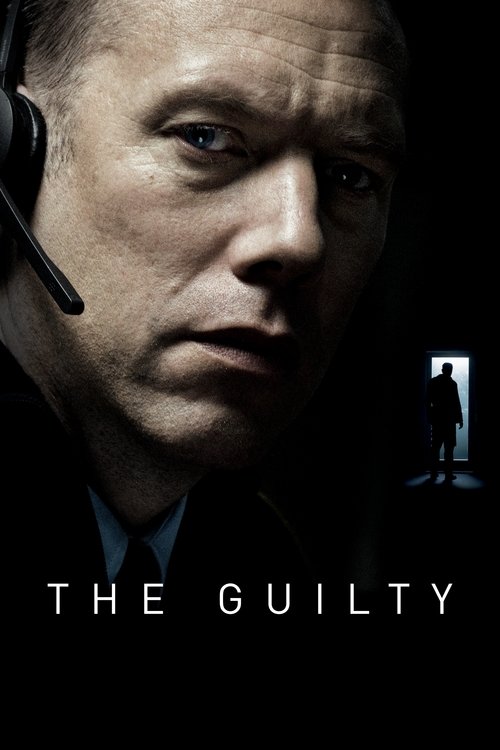
The Guilty
2018
No user ratings available yet
Representation score: 3.3 out of 10
Representation Score
Fair
2021
RDirector
Antoine Fuqua
Runtime
89 minutes
Average Rating
No ratings yetNew Showbiz Analysis
The Guilty is a claustrophobic psychological study focused on tension rather than broad social themes. While the film's auditory landscape includes a diverse range of voices, its single-location, telephone-based format limits deeper explorations of racial identity or systemic nuances. The film captures the demographic reality of Los Angeles through voice but does not delve into multi-layered depth.
Category Breakdown
The film does not include any explicit LGBTQ+ identities or narratives. The story centers on the kidnapping crisis and the protagonist's psychological journey.
The power dynamics are influenced by the telephone medium, where female characters serve as catalysts for the male protagonist's development. They occupy positions of extreme vulnerability.
The film features a diverse cast of voices representing the demographics of Los Angeles. The central character, a woman of color, adds a layer of multi-layered vulnerability.
The narrative examines moral relativism and questions the effectiveness of police institutions. It focuses on individual moral failures without addressing broader systemic issues.
Psychological trauma and mental health issues are used to create tension in the plot. The film does not explore neurodivergence or the ability to act of individuals with disabilities.
Present on Screen
Limited or Absent
Official Synopsis
A demoted police officer assigned to a call dispatch desk is conflicted when he receives an emergency phone call from a kidnapped woman.
2018

2006

2012

2019

2016

2020

2014
2014
No reviews yet. Be the first to share your thoughts on this movie!
Use the rating form above to leave a star rating and optional review.