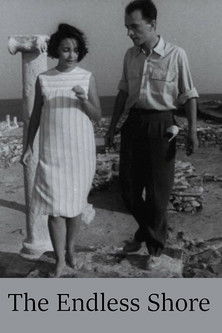
The Endless Shore
1992
No user ratings available yet
Diversity score: 6.2 out of 10

1987
Director
Alexandre Arcady
Runtime
115 minutes
Average Rating
No ratings yetSynopsis
In 1956, with the independence of Morocco, the Fedala conference in Tangier is set in a city of turmoil.
Overall Score
Good
Category Breakdown
LGBTQ+ Representation
The film lacks explicit evidence of queer-centric narrative agency. However, the restrictive social framework of 1956 offers potential for nuanced explorations of desire.
Gender Representation
Political turmoil often disrupts traditional domestic roles for women. Characters like Valeria Golino may navigate spaces typically dominated by male political actors.
Racial & Ethnic Diversity
The setting naturally facilitates high ethnic diversity through the intersection of North African and European identities. Roger Hanin's presence supports local demographic representation.
Religious & Cultural Diversity
The narrative critiques Western institutional stability by centering on Moroccan independence. It prioritizes the complexities of sovereignty over a singular, Western-centric perspective.
Disability Representation
There is no information available regarding the depiction of physical or neurodivergent disabilities in this work.
Strengths
Areas for Improvement
AI Analysis
Last Summer in Tangiers functions as a period drama set during the 1956 Moroccan independence movement. The film's strength lies in its ability to engage with the friction between colonial structures and emerging national identities. The narrative architecture utilizes a moment of profound geopolitical transition to explore shifting power dynamics. This setting provides a natural framework for intersectional exploration of race and culture. While the film offers a sophisticated engagement with dismantling traditional hierarchies, specific details regarding LGBTQ+ and disability representation remain unverified.
1992

2008

1990

1974

1996

2012

1976
1976

1993

1978

1999

1979
No reviews yet. Be the first to share your thoughts on this movie!
Use the rating form above to leave a star rating and optional review.