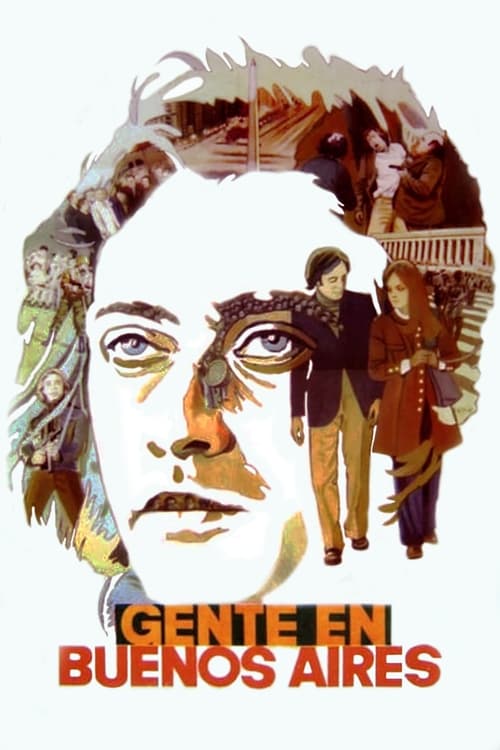
People in Buenos Aires
1974
No user ratings available yet
Diversity score: 6.4 out of 10
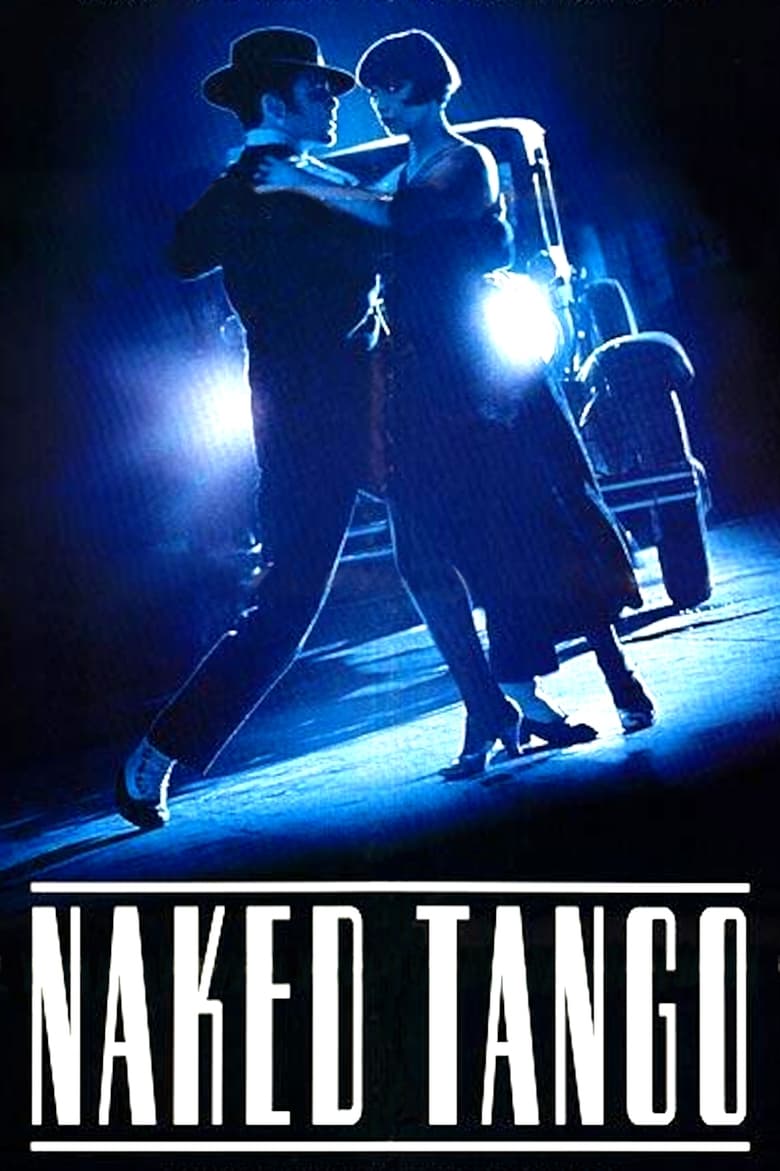
1990
RDirector
Leonard Schrader
Runtime
90 minutes
Average Rating
No ratings yetSynopsis
When a young European woman assumes a false identity in 1920s Argentina, she gets more than she bargained for.
Overall Score
Fair
Category Breakdown
LGBTQ+ Representation
The film explores desire through the ritualistic nature of tango. While it lacks explicit same-sex pairings, the dance subculture offers a queer-coded subtext that challenges heteronormative boundaries through performative intimacy.
Gender Representation
The protagonist subverts traditional femininity by using deception as a tool for autonomy and survival. The narrative focuses on her agency and volatile power dynamics rather than reinforcing masculine leadership.
Racial & Ethnic Diversity
The production avoids whitewashing by utilizing a predominantly Latin American cast. This authentic approach captures the urban nightlife of Buenos Aires through local talent and cultural textures.
Religious & Cultural Diversity
The story prioritizes a secular, urban atmosphere over religious frameworks. It critiques rigid 1920s social structures by focusing on the obsession and morality found within the tango underworld.
Disability Representation
There is no significant evidence regarding the portrayal of physical or neurodivergent disabilities in this film.
Strengths
Areas for Improvement
AI Analysis
Naked Tango distinguishes itself from typical period dramas through its commitment to a non-Western setting and authentic casting. By centering the urban nightlife of Buenos Aires, the film avoids the common pitfall of Western-centric whitewashing. The film's strength lies in its subversion of gender tropes. The female protagonist is driven by complex, non-traditional motivations, using identity as a means of survival rather than remaining a submissive figure. However, the film remains limited by a lack of explicit representation for LGBTQ+ identities and disabilities. While the tango subculture offers potential queer subtext, the narrative primarily centers on male-female dynamics.
1974
1971

1985
1975
1998
1950
1997

1974

1962
1940
1913
1928
No reviews yet. Be the first to share your thoughts on this movie!
Use the rating form above to leave a star rating and optional review.