Tango Bar
1987
No user ratings available yet
Representation score: 5.5 out of 10
Representation Score
Fair
1974
AtpDirector
Eva Landeck
Runtime
90 minutes
Average Rating
No ratings yetNew Showbiz Analysis
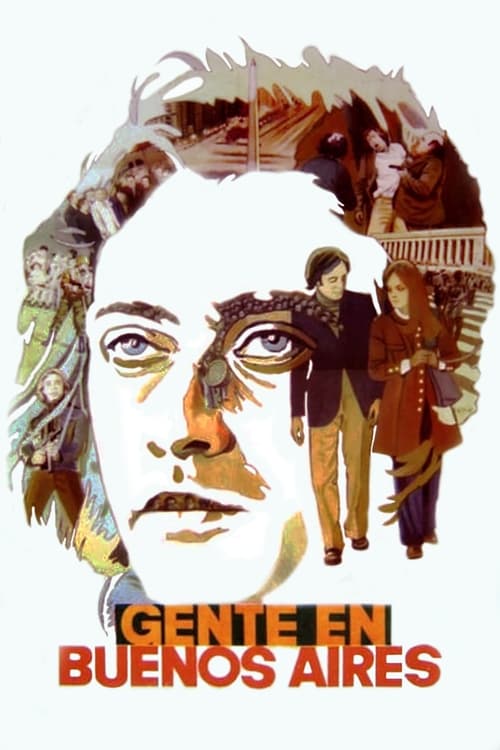
Eva Landeck’s film blends intimate fictional romance with observational documentary footage. This approach places the personal struggles of migrants within the broader sociopolitical realities of 1970s Argentina. The film successfully moves away from monolithic portrayals of society by focusing on displacement and the systemic forces of the time. Identity is shown as closely tied to the socio-economic environment. However, the lack of specific character details regarding gender and orientation makes it hard to assess representation in these areas clearly.
Category Breakdown
The film focuses on a romantic relationship between migrants, but it doesn't specify their sexual orientations. There isn't enough information to confirm any non-straight relationships.
The story explores the complex social roles of migrants, which often involve domestic and social pressures in a changing urban environment.
By highlighting displaced individuals, the film emphasizes perspectives outside the national identity. It explores the intersection of ethnicity and culture within the urban context of Buenos Aires.
The film combines romance with documentary footage to avoid a sanitized view of the nation. This structure prioritizes social realism over idealized or celebratory narratives of 1970s Argentina.
There is no depiction of physical or neurodivergent identities in this work.
Present on Screen
Limited or Absent
Official Synopsis
The romance of two migrants in Buenos Aires intercut with documentary footage of early '70s Argentina.
1987

2001

2008

1964

1971
1974
1982

1988
No reviews yet. Be the first to share your thoughts on this movie!
Use the rating form above to leave a star rating and optional review.