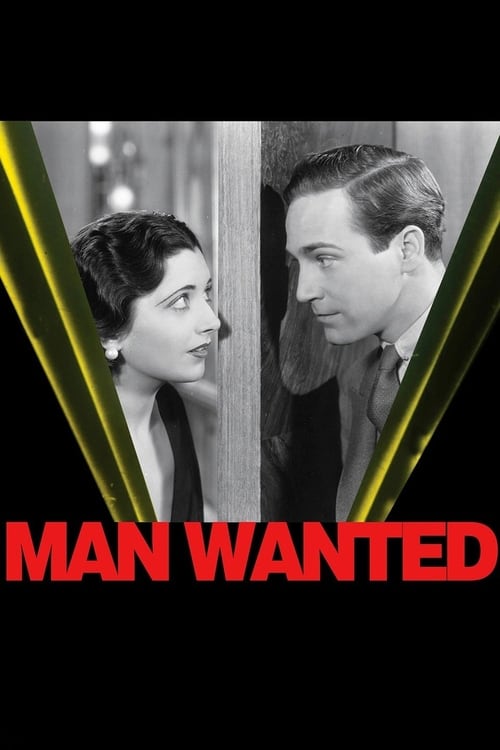
Man Wanted
1932
No user ratings available yet
Diversity score: 2.8 out of 10

1924
NRDirector
Allan Dwan
Runtime
63 minutes
Average Rating
No ratings yetSynopsis
A comedy which concerns the struggles of an ambitious department store sales clerk who is caught up in New York high society.
Overall Score
Limited
Category Breakdown
LGBTQ+ Representation
The film adheres to conventional 1920s romantic structures. There is no evidence of LGBTQ+ characters or narratives addressing non-cisnormative identities.
Gender Representation
Tessie McGuire demonstrates social intelligence and agency while navigating high society. However, the plot remains tethered to traditional tropes regarding female virtue and romantic suspicion.
Racial & Ethnic Diversity
The narrative focuses on Anglo-American social strata in 1920s New York. No evidence exists of racial blending or non-white majority casting.
Religious & Cultural Diversity
The story critiques the social costs of upward mobility. Tessie’s ascent into the higher milieu results in the alienation of her working-class social bonds.
Disability Representation
There is no depiction of physical impairments, neurodivergence, or visible disabilities within the film's characters.
Strengths
Areas for Improvement
AI Analysis
Manhandled functions as a character study of social mobility rather than a vehicle for systemic representation. It explores the friction between socioeconomic classes through the lens of performative status. The film provides moderate agency to its female lead, allowing her to manipulate social hierarchies. However, the narrative lacks intersectional complexity and demographic breadth. Ultimately, the film remains a product of its era, focusing on the domestic and social hierarchies of the early 20th century.
1932

1936
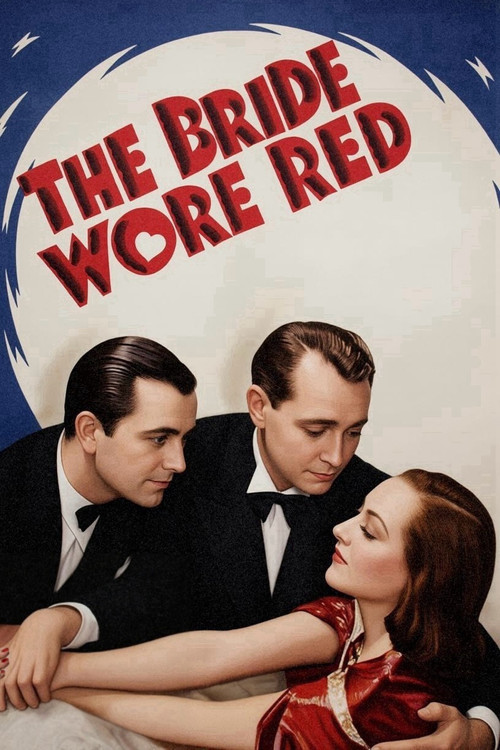
1937
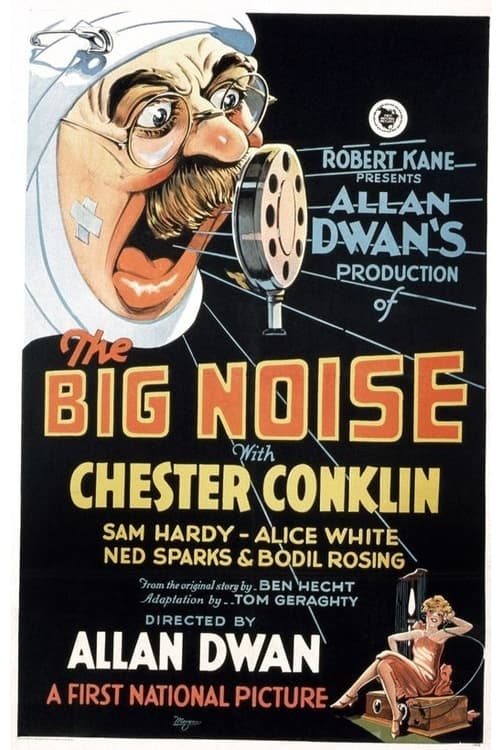
1928
No reviews yet. Be the first to share your thoughts on this movie!
Use the rating form above to leave a star rating and optional review.