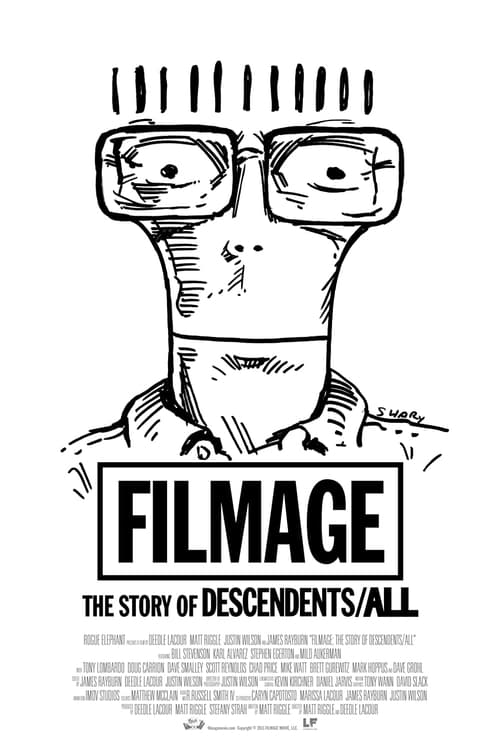
Filmage: The Story of Descendents/All
2013
No user ratings available yet
Diversity score: 3.3 out of 10
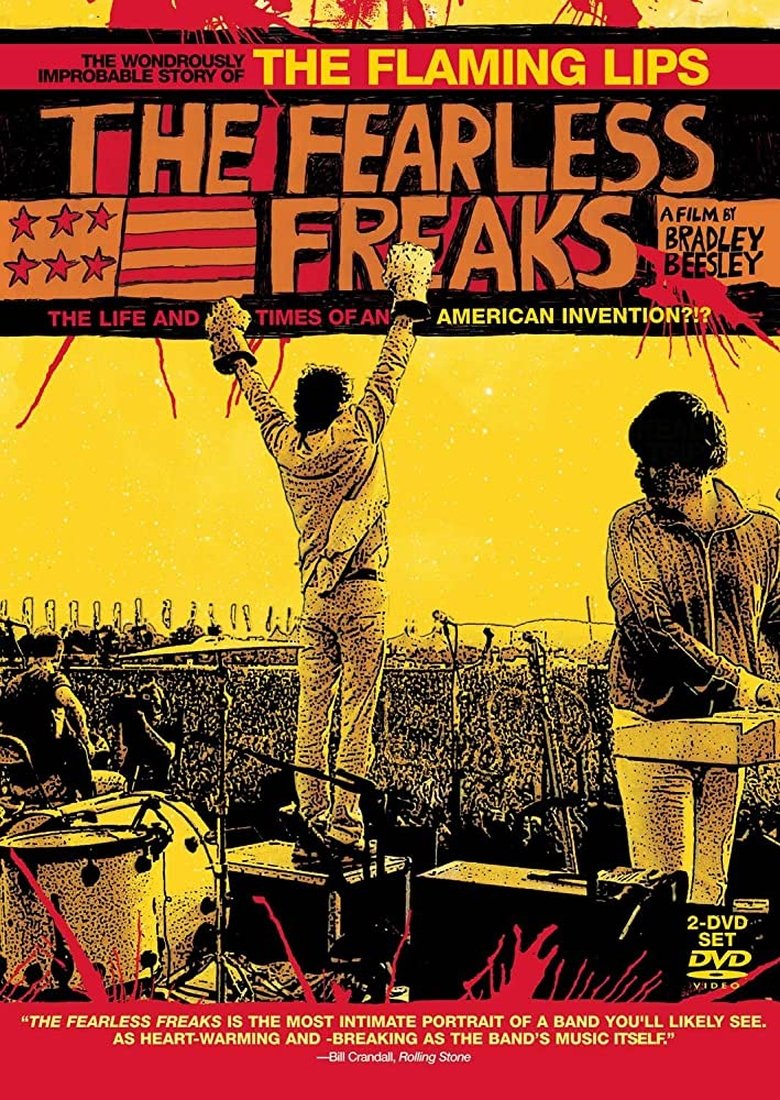
2005
NRDirector
Bradley Beesley
Runtime
100 minutes
Average Rating
No ratings yetSynopsis
Equal parts punk and psychedelia, the Flaming Lips emerged from Oklahoma City as one of the most bracing bands of the late 1980s. The Fearless Freaks documents their rise from Butthole Surfers-imitating noisemakers to grand poobahs of orchestral pop masterpieces. Filmmaker Bradley Beesely had the good fortune of living in the same neighborhood as lead Lip Wayne Coyne, who quickly enlisted his buddy to document his band's many concerts and assorted exploits. The early footage is a riot, with tragic hair styles on proud display as the boys attempt to cover up their lack of natural talent with sheer volume. During one show, they even have a friend bring a motorcycle on stage, which is then miked for sound and revved throughout the performance, clearing the club with toxic levels of carbon monoxide. Great punk rock stuff. Interspersed among the live bits are interviews with the band's family and friends, revealing the often tragic circumstances of their childhoods and early career.
Overall Score
Fair
Category Breakdown
LGBTQ+ Representation
The film explores the non-conformity of the Oklahoma City punk scene. However, it lacks explicit depictions of LGBTQ+ identities or non-cisnormative gender expressions.
Gender Representation
The narrative is heavily centered on a masculine-coded ensemble. It lacks significant female agency or the subversion of gender hierarchies through female-driven perspectives.
Racial & Ethnic Diversity
The documentary focuses on a specific regional movement that appears predominantly white and rural-coded. There is no evidence of a multi-ethnic ensemble driving the story.
Religious & Cultural Diversity
The film excels at critiquing conventional social order. It frames chaotic, anti-social behaviors as forms of expressive liberation and personal authenticity.
Disability Representation
The film touches on the tragic circumstances of the band's childhoods. However, it does not explicitly center neurodivergence or physical disability as narrative drivers.
Strengths
Areas for Improvement
AI Analysis
The documentary serves as a raw study of counter-cultural rebellion rather than a vehicle for intersectional identity politics. It succeeds in deconstructing social decorum and celebrating anti-establishment sentiment through the lens of the 'misfit.' However, the film lacks demographic breadth. The representation remains centered on a homogeneous, masculine-coded, and predominantly white social circle, offering little visibility for marginalized identities. Ultimately, the film's disruption of normalcy applies to social institutions and decorum rather than systemic identity hierarchies.
2013

2017

2014

2015
2001
2008
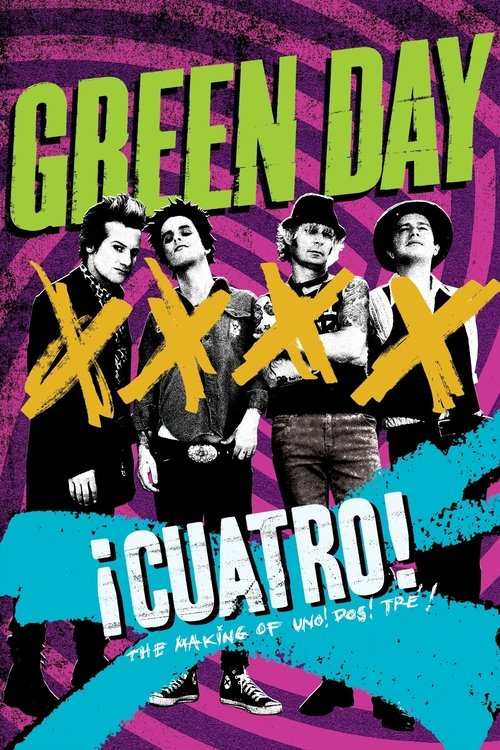
2012
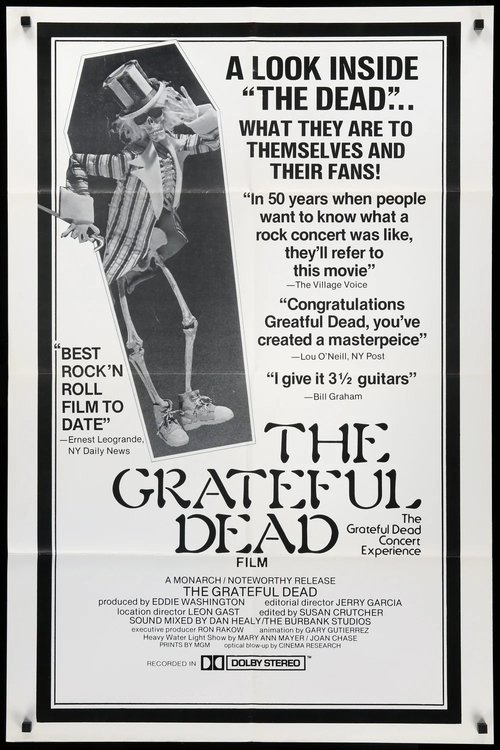
1977

2002
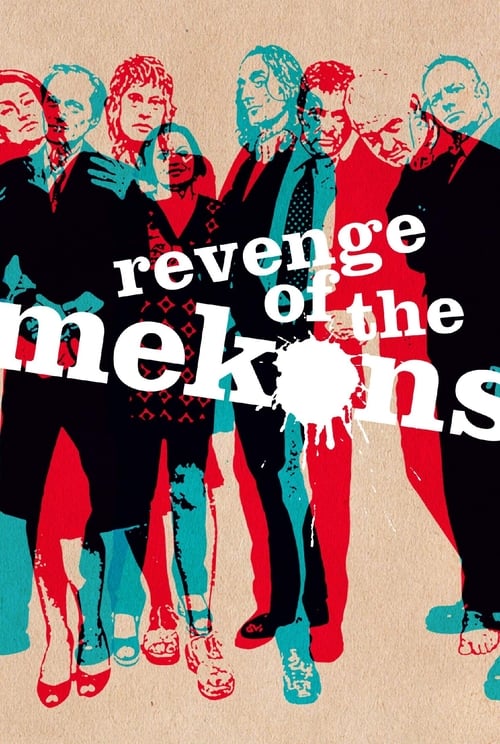
2013
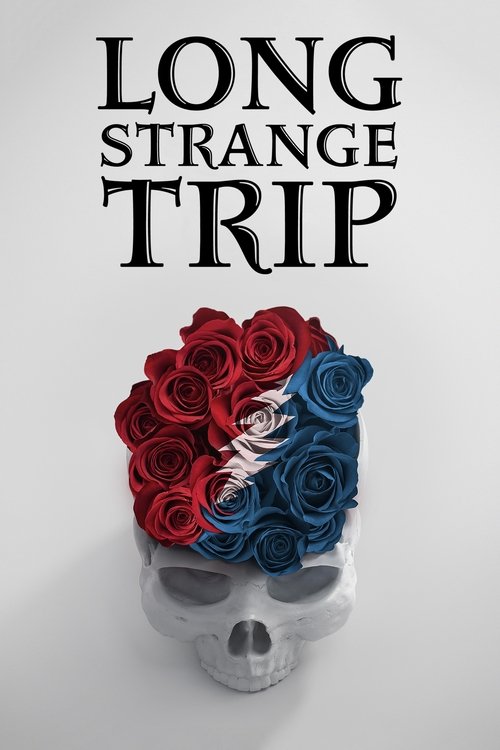
2017

1998
No reviews yet. Be the first to share your thoughts on this movie!
Use the rating form above to leave a star rating and optional review.