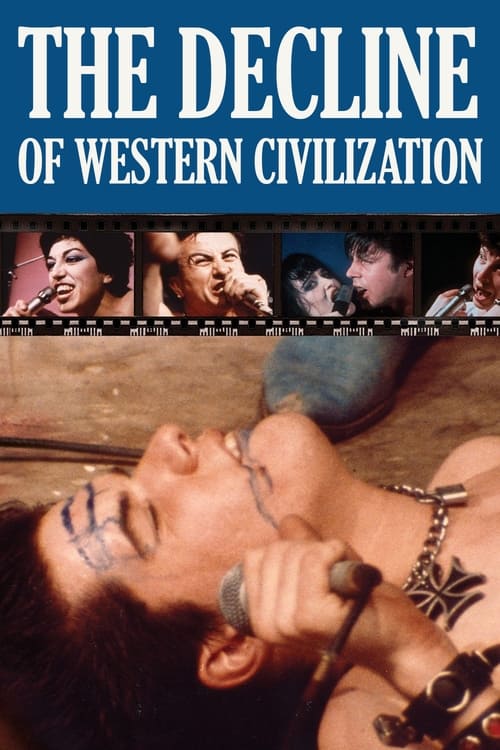
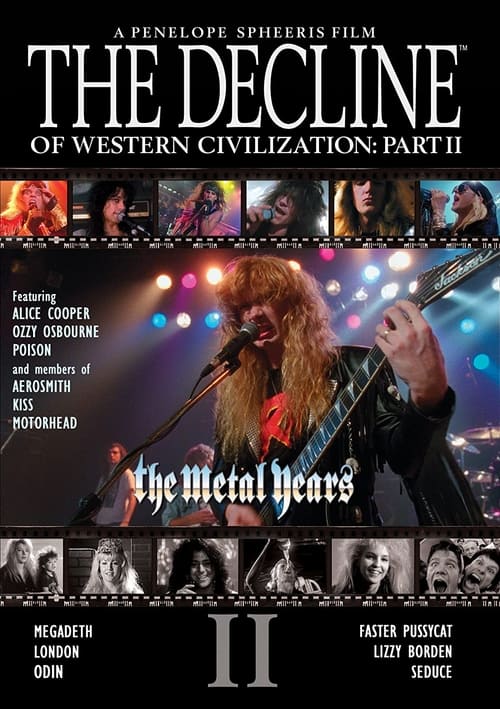
The Decline of Western Civilization
1981
No user ratings available yet
Representation score: 9.2 out of 10
Representation Score
Limited
1988
RDirector
Penelope Spheeris
Runtime
93 minutes
Average Rating
No ratings yetNew Showbiz Analysis
The documentary offers a powerful sociological study of a specific counter-culture, but it lacks demographic diversity. It excels by challenging mainstream social morality and documenting the friction between social outsiders and dominant institutions. While the film captures the raw authenticity of the heavy metal scene, it remains focused on the era's mainstream demographics. The representation of gender and sexuality is secondary to the musical documentation, reflecting a period of hyper-masculine rock stardom. Ultimately, the film's strength lies in its cultural subversion rather than its diversity of identity. It provides a sophisticated critique of Western social norms by highlighting the lives of those living in direct opposition to them.
Category Breakdown
The film highlights the hyper-masculine aesthetics of 1980s glam metal, but it does not focus on LGBTQ+ identities or non-assuming gender matches what was assigned at birth gender politics.
The movie focuses on traditional masculine roles in rock stardom. Women are present but mostly on the sidelines of a male-dominated environment.
The film primarily features a homogeneous demographic slice of the Los Angeles music scene, lacking diverse racial representation.
The documentary effectively captures the cultural alienation and rejection of mainstream values. It highlights the conflict between traditional Western institutions and the subculture's authentic, anti-social expressions.
The film does not provide sufficient evidence regarding the depiction of visible or invisible disabilities. The focus remains strictly on the broader social and musical movements.
Present on Screen
Limited or Absent
Official Synopsis
An exploration of the heavy metal scene in Los Angeles, with particular emphasis on glam metal. It features concert footage and interviews of legendary heavy metal and hard rock bands and artists such as Aerosmith, Alice Cooper, Kiss, Megadeth, Motörhead, Ozzy Osbourne and W.A.S.P..
1981

2005
2006

2005
1989

1998

2015
2019
No reviews yet. Be the first to share your thoughts on this movie!
Use the rating form above to leave a star rating and optional review.