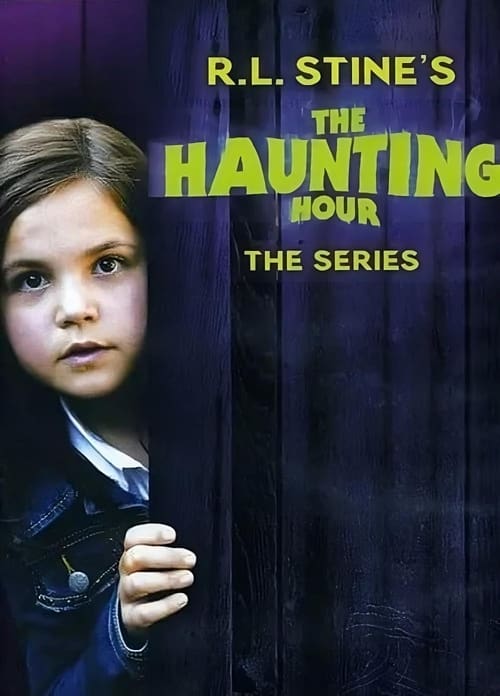
R.L. Stine's The Haunting Hour: Really You
2010
No user ratings available yet
Representation score: 2.2 out of 10
Representation Score
Limited
2011
TV-PGDirector
Neill Fearnley
Runtime
23 minutes
Average Rating
No ratings yetNew Showbiz Analysis
The film opens in a bright, safe suburban home, establishing a domestic normalcy that the supernatural threat will violate. This setting sells a vision of youthful resilience and the importance of friendship, framing the "madness" as a personal, external force rather than a social or political issue. The camera lingers on the teens’ reactions, treating their fear and confusion as the primary emotional engine, while the adult authority figure, the bodyguard, serves as an anchor of sanity. The narrative rewards the group for sticking together and confronting the source of the madness, punishing isolation and denial. The last image resolves the immediate threat, leaving the characters in a state of exhausted relief, reinforcing the value of domestic stability. The film’s argument is straightforward: courage and friendship triumph over fear. It does not challenge traditional hierarchies or offer a critique of social structures; instead, it restores the status quo, treating the suburban home and youthful innocence as the moral center. The "madness" is a metaphor for the loss of control, but it is not tied to specific social or political issues. The film is a standard example of the genre, with no significant deviations or innovations, and its sold meaning is the resilience of youth in the face of the unknown.
Category Breakdown
No queer characters appear. The story tracks platonic bonds and supernatural danger, leaving same-sex intimacy and non-binary identities entirely off-screen.
Emma questions Corey’s actions but lacks agency. The male lead retains creative focus, and the film preserves traditional gender roles without subversion.
The cast is predominantly white, mirroring the suburban setting. Sean Wei Mah appears as a bodyguard, offering minor ethnic presence without narrative depth or power dynamics.
The narrative anchors morality in suburban domesticity and youthful resilience. Traditional family structures serve as the normative baseline against which the supernatural threat is measured.
Madness functions as a temporary supernatural affliction, not a lived identity. The condition acts solely as a plot device to be resolved, lacking ongoing life context.
Present on Screen
Limited or Absent
Official Synopsis
When comic book fan Corey gets hold of his favourite illustrator's paintbrushes, he finds art beginning to mix with reality.
2010

2015
2011
2024
2010
2022
2008
2011
No reviews yet. Be the first to share your thoughts on this movie!
Use the rating form above to leave a star rating and optional review.