
Heidi
2014
No user ratings available yet
Representation score: 3.3 out of 10

Representation Score
Limited
2010
TV-PGDirector
Neill Fearnley
Runtime
62 minutes
Average Rating
No ratings yetNew Showbiz Analysis
The film operates as a typical entry in children's horror, prioritizing individual psychological development over social commentary. It uses the 'identity crisis' cliché common in young adult media to explore the unstable self through a doppelgänger lens. While the story successfully centers a female protagonist with ability to act, it remains within a traditional suburban framework. The narrative lacks the complexity needed to engage with multi-layered identities or deconstruct established social hierarchies. Ultimately, the production maintains the status quo regarding racial, cultural, and gendered hierarchies, offering a conventional experience that avoids systemic critique.
Category Breakdown
The film does not include any LGBTQ+ characters or explore queer relationships. The story focuses solely on the protagonist's personal journey and her immediate family.
The female lead, Riley, plays a significant role in driving the story as she navigates a metaphysical crisis. However, the narrative follows conventional emotional arcs focused on self-image rather than challenging traditional gender roles.
The setting adheres to a traditional, homogeneous Western domestic model. There is no indication of a non-white majority cast or intentional multi-ethnic complexity.
The film emphasizes a 'be yourself' archetype within a stable, middle-class environment. It reinforces traditional social structures rather than critiquing Western institutions.
There are no visible or invisible disabilities portrayed. Characters are not used as plot devices related to neurodivergence or physical impairment.
Present on Screen
Limited or Absent
Official Synopsis
When a young girl's new doll takes on a mysterious new identity, her brother is forced to find out what is going on and to save his sister from the terrifying new reality.
2014
1999

2017
2020
1996
2009

2019
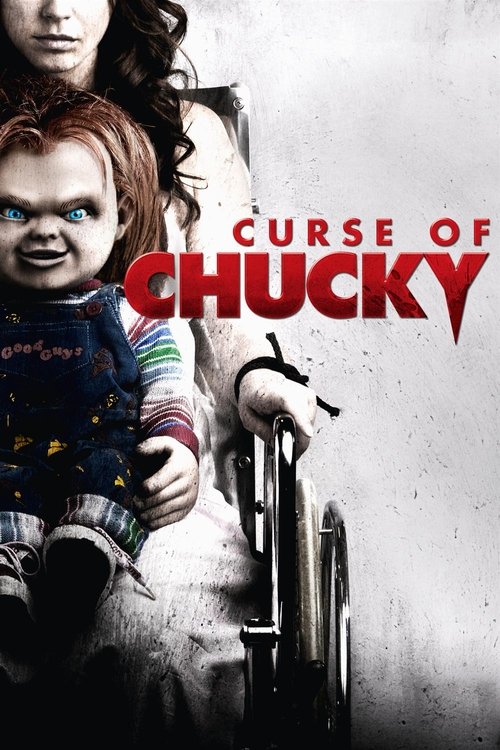
2013
No reviews yet. Be the first to share your thoughts on this movie!
Use the rating form above to leave a star rating and optional review.