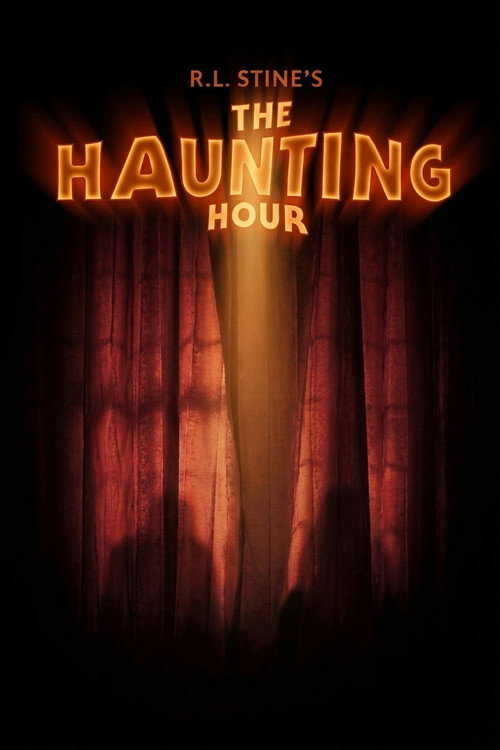
The Haunting Hour: Scary Mary
2011
No user ratings available yet
Representation score: 3.5 out of 10
Representation Score
Minimal
2011
TV-PGDirector
Neill Fearnley
Runtime
23 minutes
Average Rating
No ratings yetNew Showbiz Analysis
The film opens on a black mask hanging in a dim hallway, a simple prop that anchors a low-budget horror narrative. The sold meaning is a cautionary tale about vigilance: Julie, the perceptive daughter, sees the truth, while Bill, the bumbling father, dismisses it. The camera loves Julie’s fear and mocks Bill’s skepticism, treating his male authority as the source of the family’s vulnerability. The argument is straightforward—female intuition is superior to male dismissal—and the ending rewards the removal of the object, restoring order. The film’s internal logic is simple: the threat is external, and the family’s survival depends on the child’s moral clarity. There is no subversion of genre tropes; the faces match the billing, with the white family as the target and the silent outsider as the threat. The last image is the empty house, the mask gone, the moral verdict settled: skepticism is dangerous, and the daughter was right.
Category Breakdown
No queer characters, intimacy, or identity markers appear in the cast or dialogue. The narrative relies entirely on a heteronormative family unit with no romantic subplots.
Julie serves as the moral and perceptual center, correctly identifying the threat while her father, Bill, is framed as the bumbling, skeptical joke. The camera validates female intuition over male dismissal, rewarding the daughter’s competence.
The cast is racially homogeneous, featuring a white family and a white antagonist. Ricardo Hoyos plays Bill, but the film offers no ethnic commentary or diversity beyond the lead’s casting.
The suburban home is the primary site of horror, treating the domestic space as a vulnerable trap. Traditional family dynamics are preserved, but the father’s authority is undermined by his incompetence, shifting the moral weight to the child.
No characters possess physical, sensory, or cognitive impairments. The narrative focuses on supernatural threat and psychological fear rather than bodily difference or medical conditions.
Present on Screen
Limited or Absent
Official Synopsis
Three friends find a mysterious mask that shows the wearer events from another time.
2011

2015

2010
2002
2010
2011
2011
2011
No reviews yet. Be the first to share your thoughts on this movie!
Use the rating form above to leave a star rating and optional review.