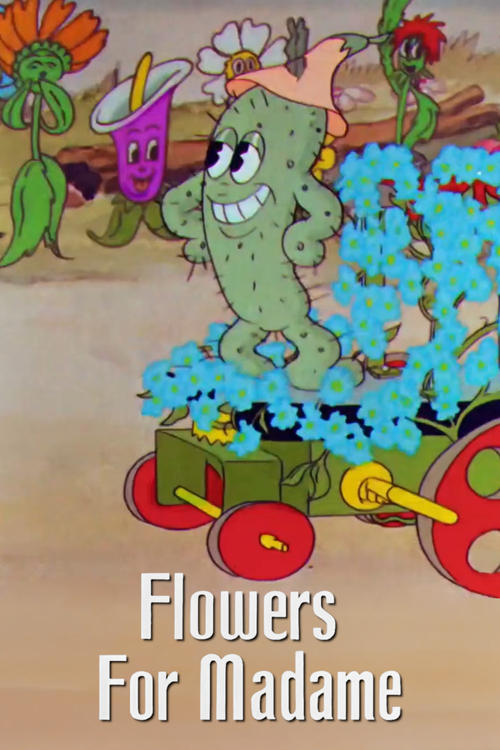
Flowers for Madame
1935
No user ratings available yet
Diversity score: 0.9 out of 10
1930
NRDirector
Howard S. Moss
Runtime
7 minutes
Average Rating
No ratings yetSynopsis
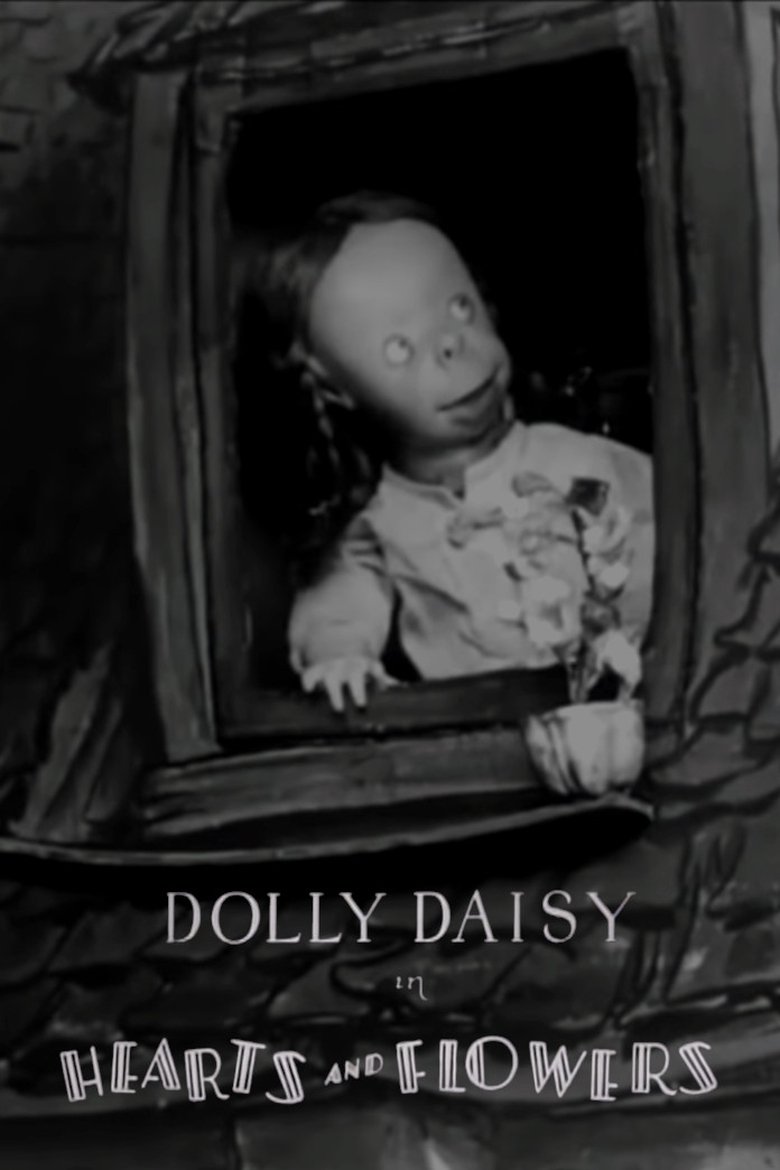
Two male dolls compete to win the heart of female doll Dolly Daisy.
Overall Score
Limited
Category Breakdown
LGBTQ+ Representation
The film follows a conventional courtship structure. It focuses on a love triangle between two male dolls and a female protagonist, offering no queer subtext.
Gender Representation
Dolly Daisy serves primarily as the object of desire. The narrative reinforces traditional hierarchies through a competitive romantic pursuit between the male characters.
Racial & Ethnic Diversity
The stop-motion cast lacks any documented racial or ethnic diversity. There is no evidence of non-Anglo-Saxon representation within the doll characters.
Religious & Cultural Diversity
The story aligns with early 20th-century Western social mores. It focuses on romantic wooing rather than exploring diverse cultural or institutional themes.
Disability Representation
There is no discernible depiction of physical or neurodivergent disabilities in this short film.
Strengths
Areas for Improvement
AI Analysis
Hearts and Flowers is a product of its era, adhering to the highly traditional narrative structures common in 1930s animation. The plot centers on a simple romantic competition that lacks any attempt to subvert social norms or introduce intersectional identities. The film relies on standard courtship tropes, positioning the female character as a prize to be won. This creates a narrow focus on heteronormative romantic ideals rather than complex character development. Ultimately, the work lacks the intentionality required for meaningful representation, reflecting the limited social scope of early stop-motion shorts.
1935
1950
1934
1945
1927
1934
1935
1933

1928
1936

1923
1933
No reviews yet. Be the first to share your thoughts on this movie!
Use the rating form above to leave a star rating and optional review.