Bluebird's Baby
1938
No user ratings available yet
Diversity score: 1.3 out of 10
1936
ApprovedDirector
Ben Harrison
Runtime
6 minutes
Average Rating
No ratings yetSynopsis
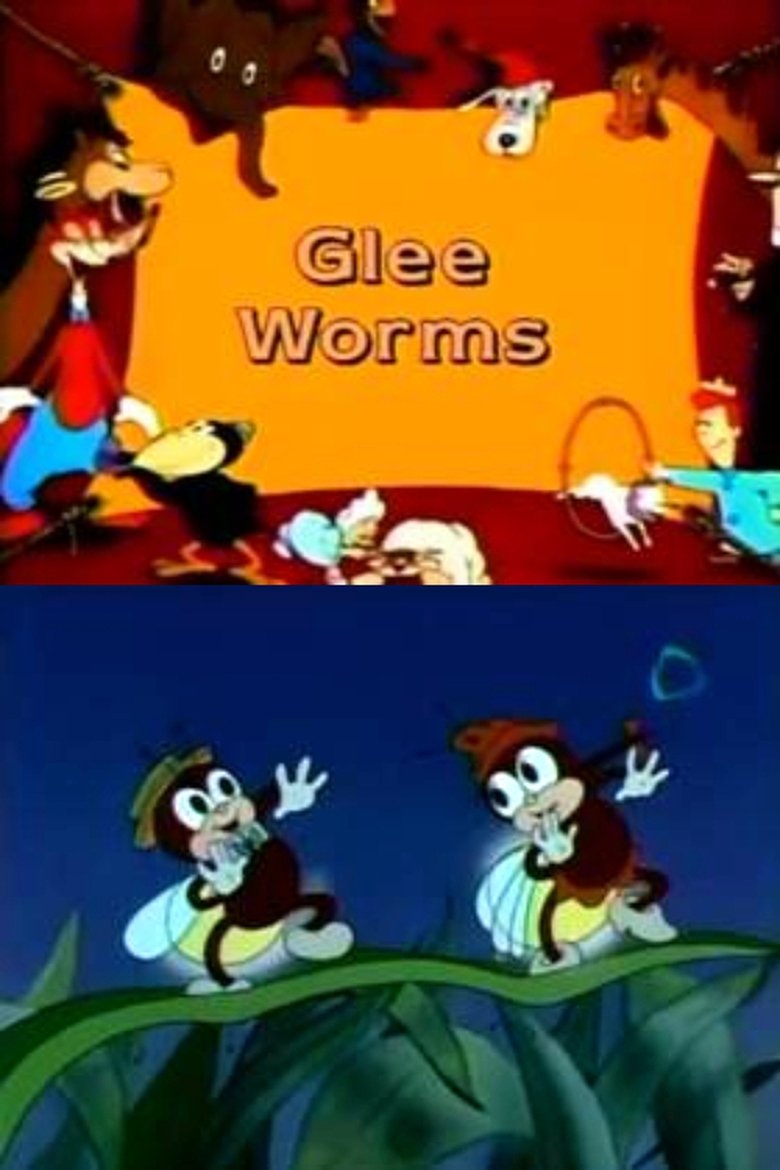
A glow worm's girlfriend falls into a water pool during a severe storm, and he has to save her from drowning. A spider also wants to save her, but not for the same reason--he's hungry.
Overall Score
Minimal
Category Breakdown
LGBTQ+ Representation
The film follows a standard heteronormative romantic structure. It centers on a male glow worm's pursuit of a female partner without exploring non-cisnormative identities.
Gender Representation
Gender roles are strictly traditional. The female character acts as a passive damsel in distress, while the male character fulfills the active, heroic role.
Racial & Ethnic Diversity
Because the characters are anthropomorphic insects, there are no human racial or ethnic identifiers present. The cast is biologically homogeneous.
Religious & Cultural Diversity
The story relies on a simple moral binary between a hero and a predator. It follows a traditional fable structure without engaging in complex cultural critiques.
Disability Representation
No characters are depicted with visible or invisible disabilities. The central conflict is driven by environmental weather rather than physical or neurodivergent traits.
Strengths
Areas for Improvement
AI Analysis
Glee Worms is a quintessential product of 1930s animation, relying on established tropes and formulaic storytelling. The narrative is built around a binary moral conflict between a heroic glow worm and a predatory spider, offering little in the way of social complexity. The film reinforces period-specific archetypes, particularly regarding gender. By positioning the female character as a passive victim requiring rescue, the film adheres to the 'damsel in distress' motif common to the era. Ultimately, the work lacks intersectional depth. It functions as a simple, anthropomorphic fable that avoids human social structures, racial identifiers, or any subversion of traditional hierarchies.
1938
1937
1950
1950
1936
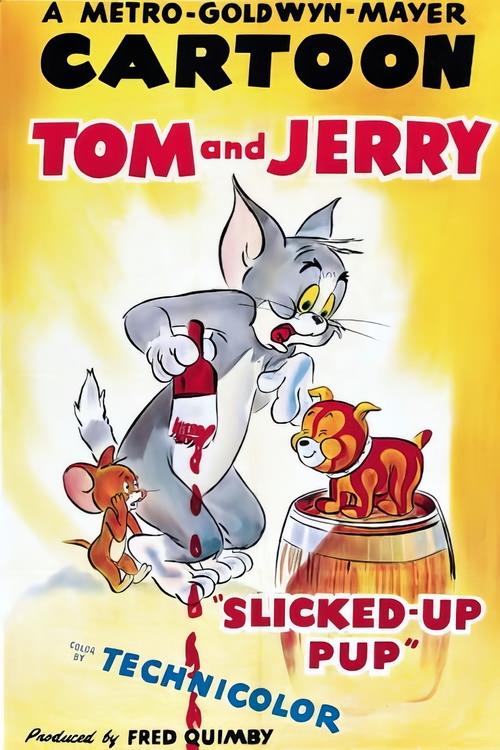
1951
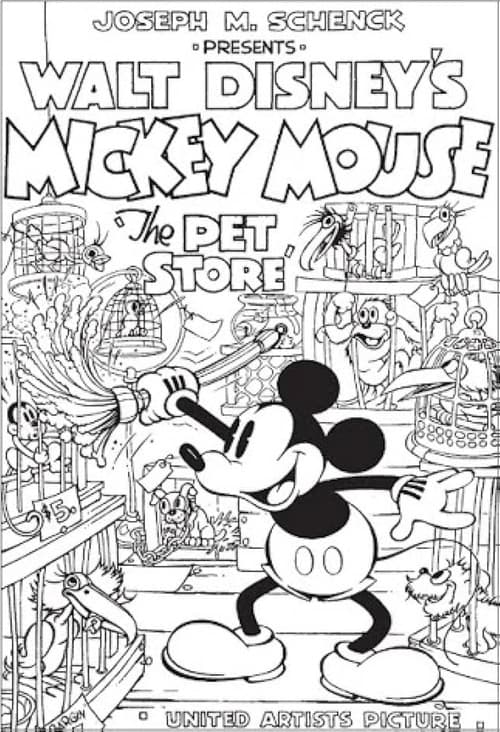
1933
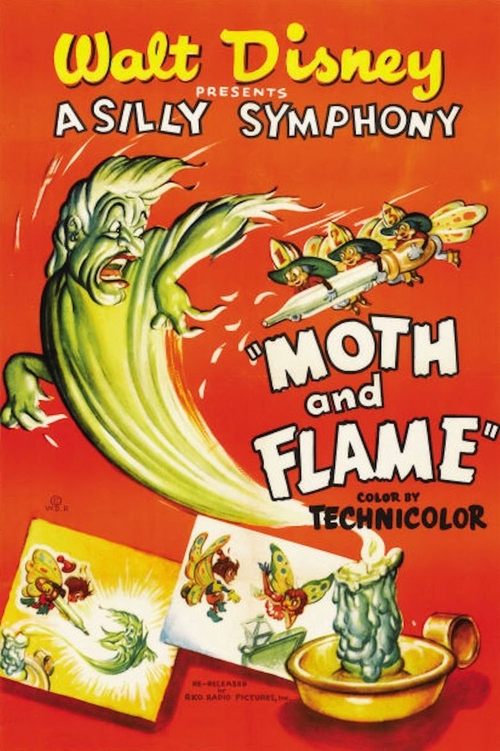
1938
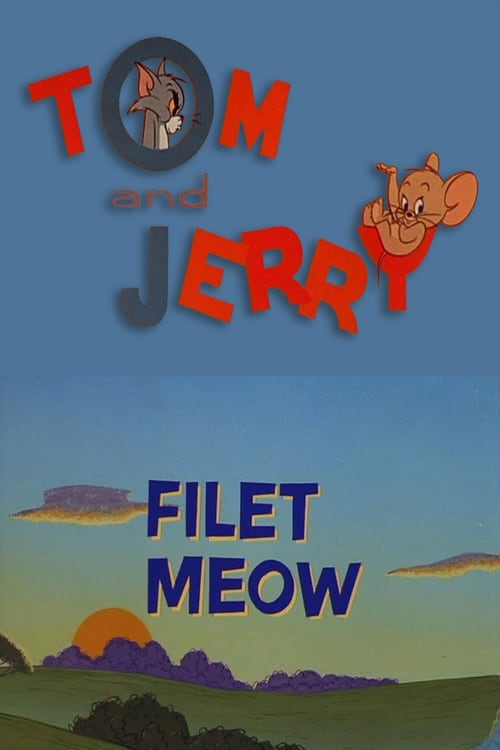
1966
1942
1933
1933
No reviews yet. Be the first to share your thoughts on this movie!
Use the rating form above to leave a star rating and optional review.