Morning Mist
1980
No user ratings available yet
Representation score: 3.5 out of 10
Representation Score
Fair
2013
Director
Cecconi Gabriele
Average Rating
No ratings yetNew Showbiz Analysis
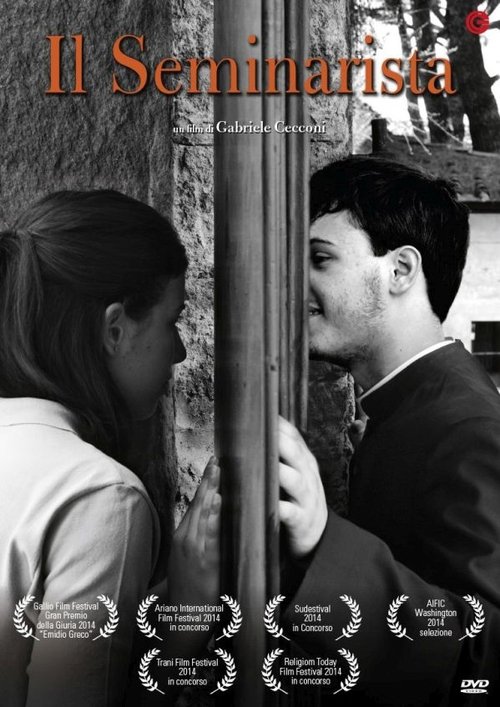
The Seminarian is a deep exploration of institutional repression rather than a broad social drama. Its strength lies in its intellectual critique of religious and patriarchal power structures. By focusing on the protagonist's struggle for independence, the film challenges the moral authority of the systems it depicts. However, the film's scope is limited. The setting is culturally uniform, offering little in the way of racial or ethnic diversity. The narrative is focused inward, prioritizing the internal dynamics of the seminary over broader social issues. Ultimately, the film excels as a critique of systemic control but falls short in terms of broader representation compared to more diverse contemporary dramas.
Category Breakdown
The film explores the tension between natural sexual desires and the strict rules of a seminary. It questions the idea that purity should come from suppressing natural desires, showing how such suppression can lead to control and manipulation.
The story takes place in a strictly male-dominated environment. However, it challenges traditional masculine authority by depicting leaders as controllers rather than wise or stable figures.
Set in 1959 Italy, the film focuses on a culturally uniform setting. There is no indication of a diverse cast or stories involving different racial backgrounds.
The film provides a strong critique of the Catholic Church as an oppressive institution. It portrays the church as a place where independent thinking is discouraged.
There is no information about the portrayal of physical or neurological disabilities in this film.
Present on Screen
Limited or Absent
Official Synopsis
Italy, 1959. A ten-year-old boy called Guido enters a Catholic seminary, fascinated by the idea of becoming a priest. He quickly understands that in order to be a good seminarian he has to submit to an ascetic and unnatural training, consisting in mortification of the flesh, obsession with sin and repression of one's sexual instincts and desires. Guido finds himself up against a deeply hierarchical system, where strict observance of rules and blind obedience to superiors are taught. A system in which thinking for oneself is forbidden.
1980
2014

2014
1951
1977

1943

1969

2017
No reviews yet. Be the first to share your thoughts on this movie!
Use the rating form above to leave a star rating and optional review.