An Occasion to Speak
1966
No user ratings available yet
Representation score: 2.3 out of 10
Representation Score
Minimal
1965
6Director
Wolfgang Ramsbott
Runtime
21 minutes
Average Rating
No ratings yetNew Showbiz Analysis
Wolfgang Ramsbott’s documentary serves as a formalist experiment rather than a social portrait. Focusing on the sensory experience of machines, the film moves away from traditional institutional storytelling. Since the subjects are mechanical processes rather than people, the work lacks the human ability to act required for characters who reflect more than one aspect of diversity. It operates entirely outside the parameters of standard social diversity metrics. Ultimately, the film’s value lies in its aesthetic and structural innovation, which subverts the documentary genre through abstraction.
Category Breakdown
The film centers on industrial and mechanical imagery. Without character-driven narratives or interpersonal dynamics, it fails to depict LGBTQ+ identities.
This experimental documentary focuses on technology and kinetic energy. It lacks the character's ability to drive the story needed to evaluate gender roles or hierarchies.
As a film centered on machinery, there are no human subjects. This prevents any analysis of racial or ethnic representation.
By prioritizing machines over institutions, Ramsbott disrupts traditional documentary structures. This sensory-focused approach deconstructs conventional academic authority.
The film lacks human subjects or character arcs. There is no evidence of physical or neurodivergent identities within its mechanical focus.
Present on Screen
Limited or Absent
Official Synopsis
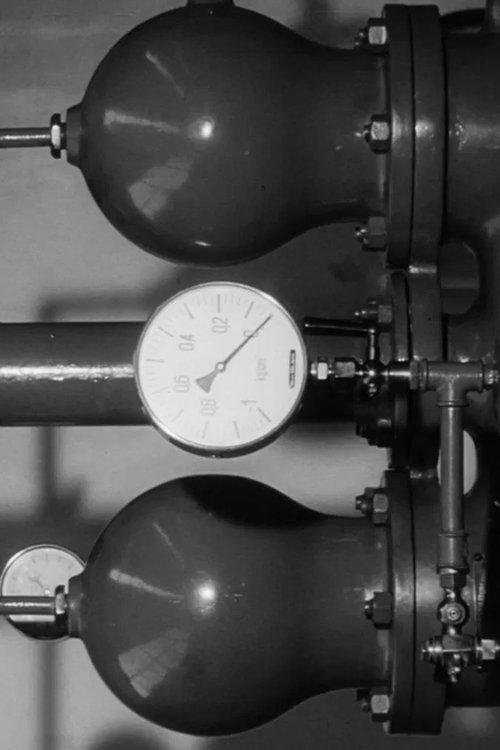
Wolfgang Ramsbott's first film for the Literary Colloquium Berlin (LCB): "Technische Universität Berlin" is a kind of image film for the Technical University of Berlin, where Walter Höllerer, director of the LCB, taught as professor of literary studies. But the experimental filmmaker Ramsbotts was hardly interested in the institution itself: his camera rather feasted on the rattling, flashing and hissing machines. As head of the film department, Ramsbott realised mainly experimental documentaries on literary themes in the following years.
1966
1929
1972
1965
1969
1959
1967
1975
No reviews yet. Be the first to share your thoughts on this movie!
Use the rating form above to leave a star rating and optional review.