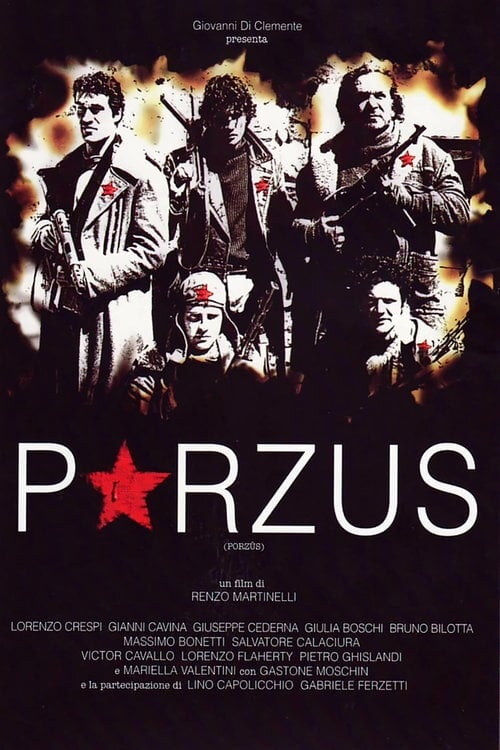
Porzûs
1997
No user ratings available yet
Representation score: 2.6 out of 10
Representation Score
Fair
1974
PGDirector
Carlo Lizzani
Runtime
126 minutes
Average Rating
No ratings yetNew Showbiz Analysis
The film provides a nuanced look at power dynamics, emphasizing the perspective of the Italian resistance over the fallen dictator. This narrative choice offers a strong cultural critique of nationalism and authoritarianism. However, the film lacks demographic diversity. The cast is largely homogeneous, reflecting the specific historical period without incorporating broader racial or LGBTQ+ representation. Ultimately, the film excels more as a political critique than a diverse character study, focusing on its cultural commentary rather than its demographic variety.
Category Breakdown
The film focuses on the heterosexual relationship between Mussolini and Claretta Petacci. It humanizes Mussolini but does not include any LGBTQ+ identities or queer-coded subtext.
Claretta Petacci plays a significant role in driving the film's emotional stakes. The narrative challenges traditional masculinity by showing the protagonist in a vulnerable state.
The casting reflects the mid-20th century Italian population, which is largely homogeneous. However, the story delves into the tensions between the ruling class and the partisan resistance movements.
The film critiques Western authoritarianism by dismantling the 'Great Man' theory. It emphasizes the perspective of grassroots partisans over the established state order.
There are no prominent depictions of disabilities that play a central role in this historical drama.
Present on Screen
Limited or Absent
Official Synopsis
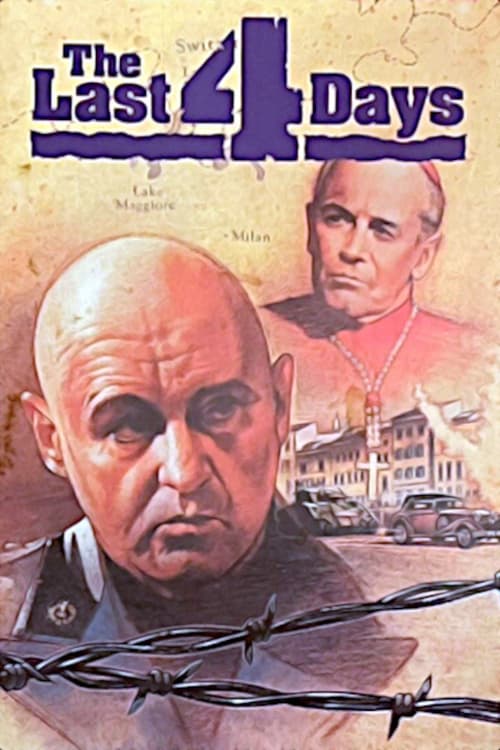
In 1945, the dictator of fascist Italy and Hitler's close ally Benito Mussolini faces defeat. In a desperate attempt to avoid capture, he tries to flee the country with his lover Claretta Petacci, but Italian partisans are on their tail.
1997

1966

1961

1945
1965

1951
2013
1964
No reviews yet. Be the first to share your thoughts on this movie!
Use the rating form above to leave a star rating and optional review.