The Last Four Days
1974
No user ratings available yet
Representation score: 4.9 out of 10
Representation Score
Limited
1997
Director
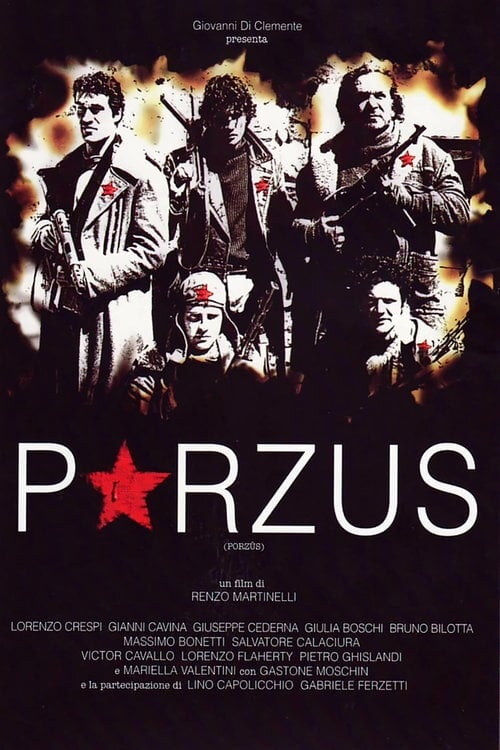
Renzo Martinelli
Runtime
121 minutes
Average Rating
No ratings yetNew Showbiz Analysis
Porzûs deconstructs the myth of partisan resistance, replacing heroic clichés with a study of internal violence. The film focuses on the moral ambiguity and factionalism inherent in political struggles, rather than a simple good-versus-evil narrative. While the film effectively challenges historical archetypes and institutional integrity, it lacks broad demographic representation. The narrative is heavily focused on male-dominated combat structures and lacks diverse representation regarding race, gender, or disability. Ultimately, the film's strength lies in its narrative subversion and its refusal to sanitize history, highlighting the ethical failures within revolutionary movements.
Category Breakdown
The film does not include any LGBTQ+ identities. The plot focuses solely on the political and military conflicts within the Garibaldi Brigade.
The story centers around male-dominated paramilitary structures and traditional masculine hierarchies. There is little evidence of women playing significant roles or subverting gender norms.
The drama is set in the specific ethnic and political context of post-WWII Italy. It lacks significant racial or ethnic diversity beyond the Mediterranean region.
The film provides a critical look at institutional morality and traditional power structures. It avoids simplistic moral judgments, showing a complex landscape of subjective ethics and political conflict.
There are no characters with visible or invisible disabilities in the film. Such characters are not part of the main storyline.
Present on Screen
Limited or Absent
Official Synopsis
In 1945, at the huts above Porzûs, a hundred partisans from the Garibaldi Brigade and the Gap massacred about twenty partisans from Osoppo. They were commanded by Geko, who later went around saying that the group was accused of treason and collusion with the fascists, all to avoid consequences. But at the end of the war, Storno, who had escaped the massacre, sentenced Geko and his men to life imprisonment in absentia.
1974
1959
1999
2009
1965
2020
2018
2013
No reviews yet. Be the first to share your thoughts on this movie!
Use the rating form above to leave a star rating and optional review.