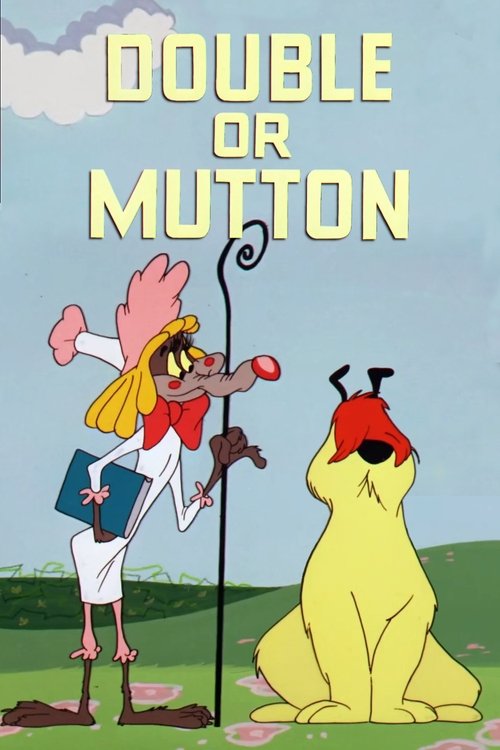
Double or Mutton
1955
No user ratings available yet
Representation score: 0.1 out of 10
Representation Score
Minimal
1945
NRDirector
Charles August Nichols
Runtime
7 minutes
Average Rating
No ratings yetNew Showbiz Analysis
This 1945 animation is a product of the Golden Age studio system, prioritizing slapstick comedy over social complexity. The narrative relies on a binary conflict between a protector and a predator, which avoids any meaningful engagement with overlapping identities. The film's setting and character dynamics reflect the era's standard Western clichés. While the animal protagonists avoid human gender hierarchies, the lack of diverse casting or nuanced social dynamics results in a very narrow storytelling scope. Ultimately, the work functions as a straightforward morality tale. It uses physical ailments and frontier settings as mere tools for comedy rather than as opportunities for representation.
Category Breakdown
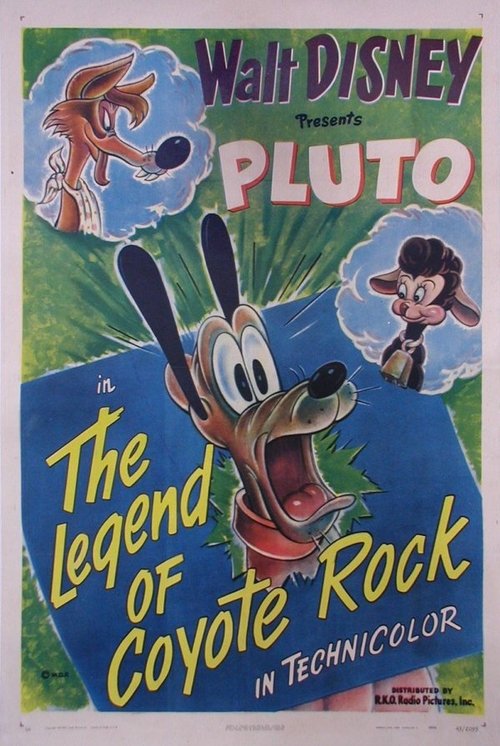
The film centers on a conflict between Pluto and a coyote, with no depiction of non-straight or non-cisgender identities.
The story focuses on animal characters, avoiding human gender roles. However, the absence of female characters relies on traditional, action-oriented clichés.
Set in the West, the narrative mirrors colonial frontier clichés. It lacks diverse perspectives, reflecting the homogeneous storytelling standards of 1945.
The plot reinforces a binary of order versus chaos through a hero-versus-deceiver framework. It avoids systemic critiques or cultural deconstruction.
A coyote uses a fake bad leg as a deceptive tactic for comedy. This serves as a comedic plot device rather than a meaningful portrayal of disability.
Present on Screen
Limited or Absent
Official Synopsis
Pluto is guarding a flock of sheep in the West; a coyote is sneaking up on that flock. The coyote fakes a bad leg; Pluto chases it away, only to have it run back ahead of him and go after the sheep. Pluto gets back and finds the coyote chasing the lone black sheep of the flock, after trapping the rest. The chase ends with the coyote buried under a toppling spire of rock, which forms a coyote of rock on the top.
1955
1954
1958
1953
1954
1962

1951
1948
No reviews yet. Be the first to share your thoughts on this movie!
Use the rating form above to leave a star rating and optional review.