A Summer's Tale
1996
No user ratings available yet
Representation score: 3.5 out of 10
Representation Score
Limited
1962
Director
François Truffaut
Runtime
30 minutes
Average Rating
No ratings yetNew Showbiz Analysis
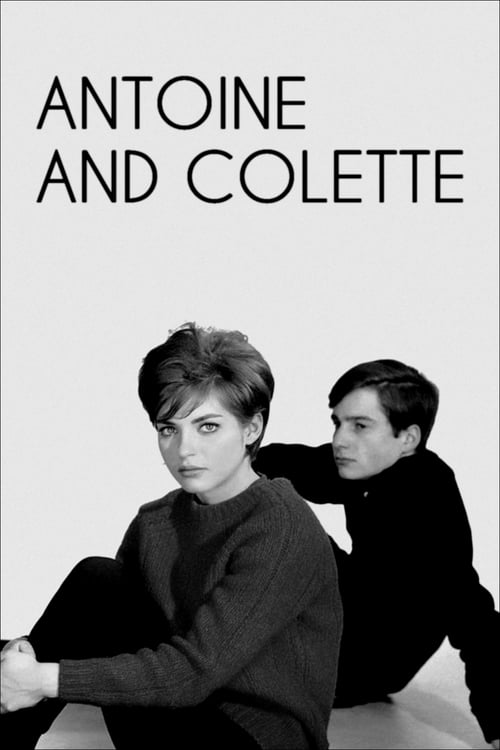
Antoine and Colette is a character-driven film that prioritizes psychological realism over broad demographic representation. While grounded in the social norms of 1960s France, the film avoids moralizing its characters' actions. The film stands out by emphasizing Colette's autonomy and challenging traditional romantic clichés. However, it lacks meaningful representation of racial and LGBTQ+ diversity, focusing primarily on a homogeneous Parisian setting.
Category Breakdown
The film adheres to an assumption that everyone is straight or cisgender, with no depiction of same-sex relationships or non-binary identities.
Colette plays a significant role in driving the story, emphasizing her autonomy and control over the emotional dynamics of the relationship. The narrative highlights the contrast between male impulsiveness and female self-determination.
The story focuses on a predominantly white, middle-class social circle in Paris, lacking diverse ethnic perspectives.
The film emphasizes moral relativism and personal freedom, avoiding rigid institutional structures and traditional social or religious norms.
There are no prominent depictions of disabilities that play a central role in the narrative or drive the storyline.
Present on Screen
Limited or Absent
Official Synopsis
Now aged 17, Antoine Doinel works in a factory which makes records. At a music concert, he meets a girl his own age, Colette, and falls in love with her. Later, Antoine goes to extraordinary lengths to please his new girlfriend and her parents, but Colette still only regards him as a casual friend. First segment of “Love at Twenty” (1962).
1996

1968

1979

1971
1987
1960

1989

1957
No reviews yet. Be the first to share your thoughts on this movie!
Use the rating form above to leave a star rating and optional review.