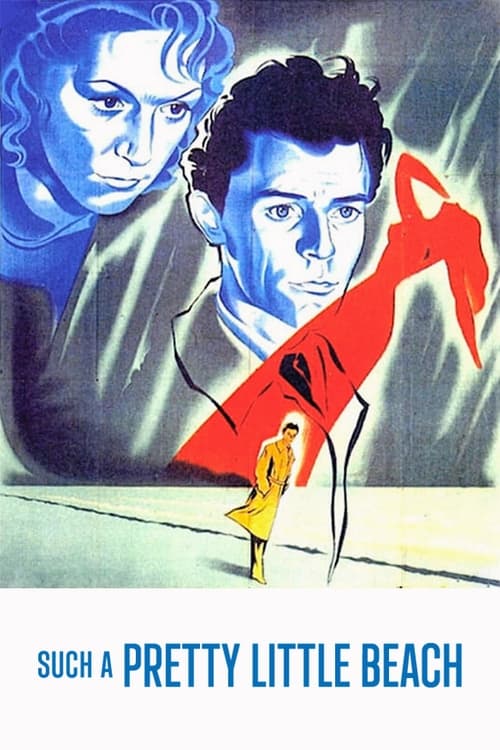
Such a Pretty Little Beach
1949
No user ratings available yet
Diversity score: 3.4 out of 10

1966
Director
Roland Verhavert
Runtime
85 minutes
Average Rating
No ratings yetSynopsis
The captain of a ship in port has been entrusted with a secret government mission. He gives leave to the crew, but orders them to report back each morning. As the days go by, and the sailing date still remains a secret, the crew are thrown into a state of increasing uncertainty. The film concentrates on two crew members whose experiences are coloured by the omnipresent reality of the ship which is about to depart.
Overall Score
Limited
Category Breakdown
LGBTQ+ Representation
The film focuses on the professional and psychological tensions of a maritime crew. There is no explicit mention of queer narratives or non-cisnormative identities.
Gender Representation
The narrative centers on a captain and his male crew, reinforcing patriarchal hierarchies. It emphasizes traditional masculine leadership roles within a maritime command structure.
Racial & Ethnic Diversity
The setting reflects the homogeneous casting norms typical of 1960s European cinema. There is no evidence of diverse ensembles or race-bent casting.
Religious & Cultural Diversity
The story functions as a character study within a traditional institutional framework. It focuses on duty and secrecy rather than disruptive social or secularist themes.
Disability Representation
The film provides no information regarding the inclusion or portrayal of characters with physical or neurodivergent disabilities.
Strengths
Areas for Improvement
AI Analysis
Farewells is a period-specific drama that adheres to the conventional social and institutional structures of 1966. The narrative is built around a maritime command hierarchy, which naturally centers on traditional masculine power dynamics and professional duty. The film lacks intersectional complexity, focusing instead on the psychological uncertainty of a crew awaiting a secret mission. This narrow focus on institutional tension results in a lack of diverse representation across gender, race, and identity. Ultimately, the work functions as a standard mid-century character study. It does not attempt to subvert established social hierarchies or introduce diverse perspectives into its maritime setting.
1949

1970
1957

1960
1966
1956
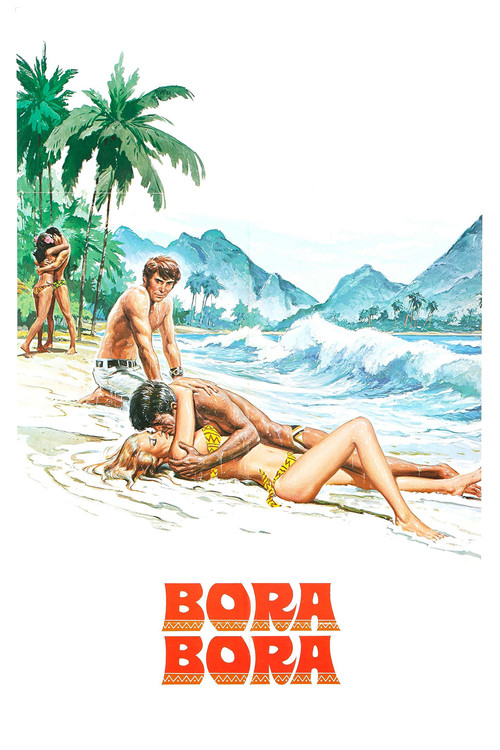
1968
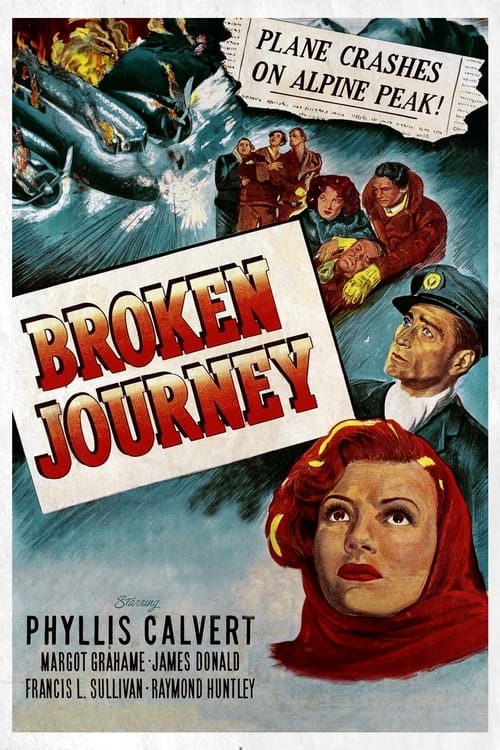
1948
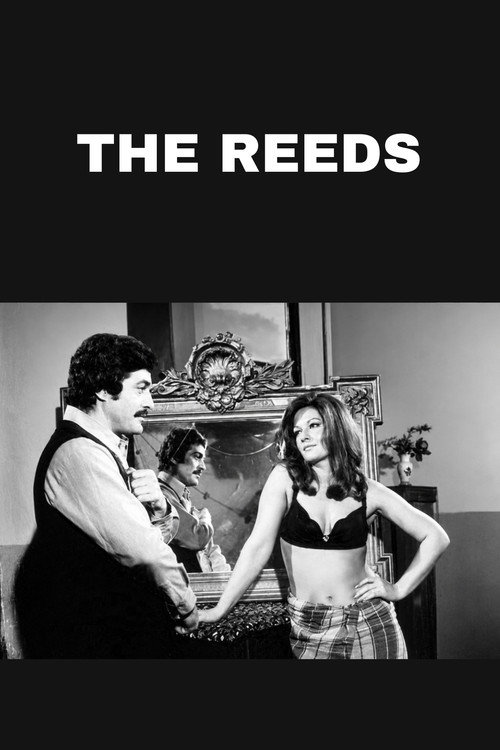
1975

1964

1953

2019
No reviews yet. Be the first to share your thoughts on this movie!
Use the rating form above to leave a star rating and optional review.