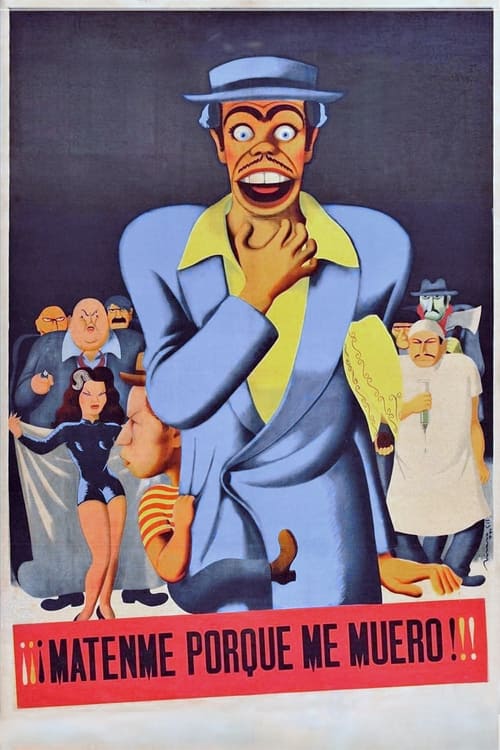
Kill Me Because I'm Dying!!!
1951
No user ratings available yet
Representation score: 4.9 out of 10
Representation Score
Limited
1944
Director
Roberto Rodríguez
Runtime
95 minutes
Average Rating
No ratings yetNew Showbiz Analysis
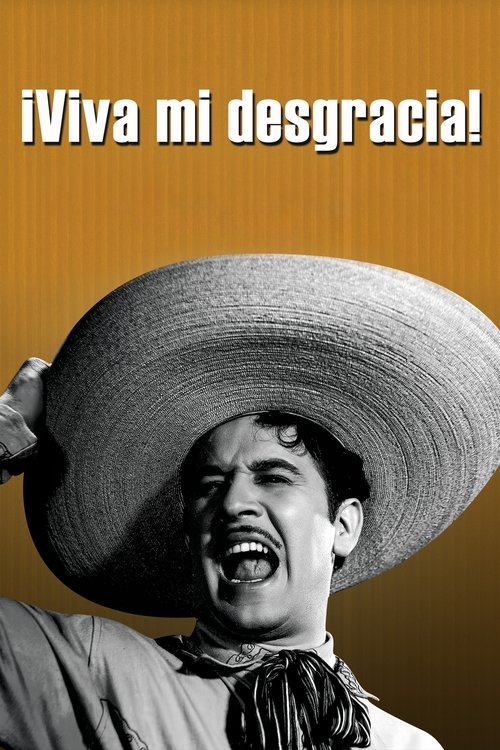
Viva Mi Desgracia is a quintessential product of the Golden Age of Mexican Cinema, prioritizing musical comedy and established national archetypes. While it serves as a vital cultural touchstone for Mexican identity, its narrative structure is deeply conservative. The film reinforces traditional gender hierarchies and straight-centered romance. The protagonist's transformation into a brawler and extrovert validates a specific, traditional masculine ideal rather than challenging social norms. Ultimately, the work excels in ethnic representation through its local setting and cast but lacks the complexity or systemic critique necessary for a modern progressive rating.
Category Breakdown
The film follows a strictly heterosexual storyline, focusing solely on the male protagonist's pursuit of a female love interest and offering no visibility for LGBTQ+ identities.
Gender dynamics rely on traditional archetypes, where the male lead transforms into a 'ladies' man' to achieve romantic dominance, while the female lead primarily serves as an object of desire.
The film provides strong ethnic representation by centering a Mexican cast and cultural context. However, these portrayals lean into nationalistic archetypes common to the era's cinematic language.
The narrative reinforces mid-century values through sentimental moral clichés. It prioritizes traditional social cohesion and conventional morality over any systemic critique of class or institutions.
There is no discernible depiction of visible or invisible disabilities within the narrative or character descriptions.
Present on Screen
Limited or Absent
Official Synopsis
After drinking a special concoction made of various types of alcohol, the once-timid Ramon (Pedro Infante) suddenly turns into a brawler and extroverted ladies' man. With his newfound confidence, Ramon attempts to win the heart of the woman (María Antonieta Pons) he loves. Full of enjoyable songs and funny scenes, this entertaining Mexican musical centers on a wealthy man who finally realizes that money can't buy him love.
1951
1948
1961
1945
1940
1948
1950
1956
No reviews yet. Be the first to share your thoughts on this movie!
Use the rating form above to leave a star rating and optional review.