
Miriam
1957
No user ratings available yet
Representation score: 3.0 out of 10
Representation Score
Minimal
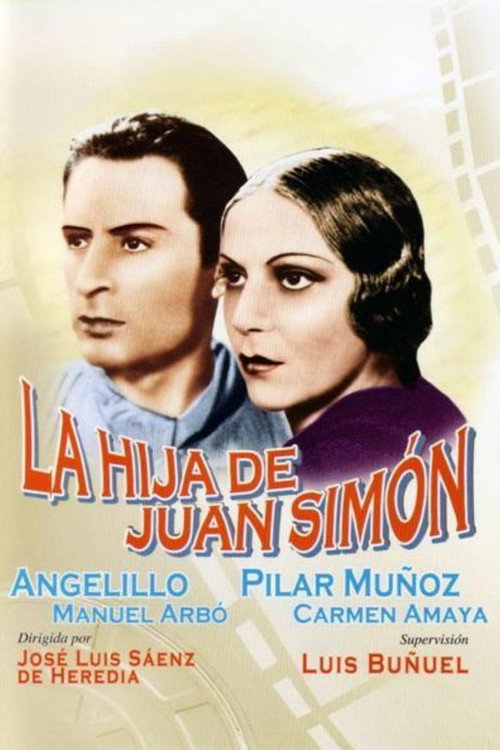
1935
Director
José Luis Sáenz de Heredia
Runtime
68 minutes
Average Rating
No ratings yetNew Showbiz Analysis
The film reflects the specific historical and geographic context of 1930s Spain, sticking closely to the social norms of the time. The narrative focuses on conventional personal conflicts, such as a romance facing a mother’s opposition, which upholds existing social norms rather than challenging them. Representation is largely uniform, lacking racial diversity or non-straight relationships. The storytelling relies on traditional themes of honor and family destiny, aligning with the era's religious and moral traditions. While the film explores women's suffering, it does so through a tragic lens that maintains male dominance. It offers little disruption to the historical power dynamics of the period.
Category Breakdown
The film follows traditional romantic structures from 1930s Spain. There are no non-straight relationships or critiques of straight relationships.
The story centers on women's suffering through traditional tragic themes. Conflict is driven by a mother's disapproval, reinforcing male control rather than empowering women.
The film depicts a homogeneous society typical of its time and place. There is no racial mixing or diverse casting.
The drama is rooted in traditional Spanish culture, emphasizing honor and family destiny within established moral and religious contexts.
There are no visible portrayals of physically or mentally diverse characters in the available information.
Present on Screen
Limited or Absent
Official Synopsis
Carmen and Ángel are in love but her mother does not approve their relationship.
1957
2002
1957

1992
1957
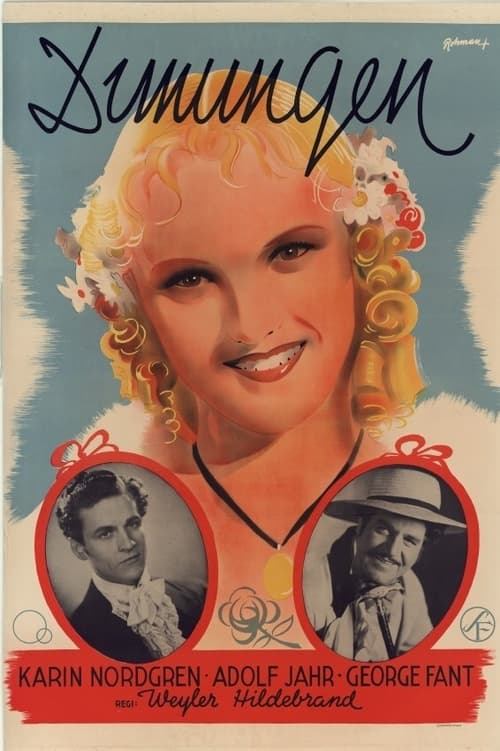
1941
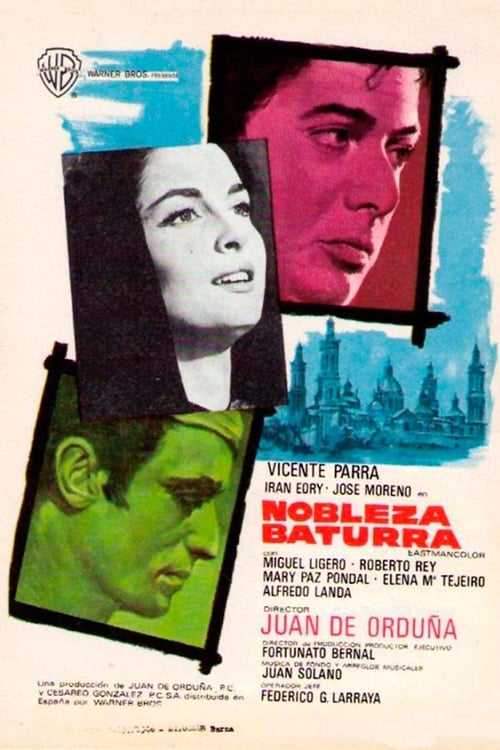
1965
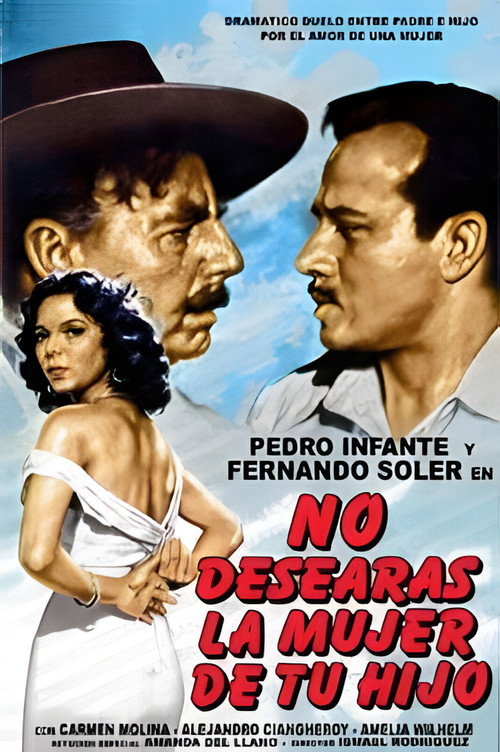
1950
No reviews yet. Be the first to share your thoughts on this movie!
Use the rating form above to leave a star rating and optional review.