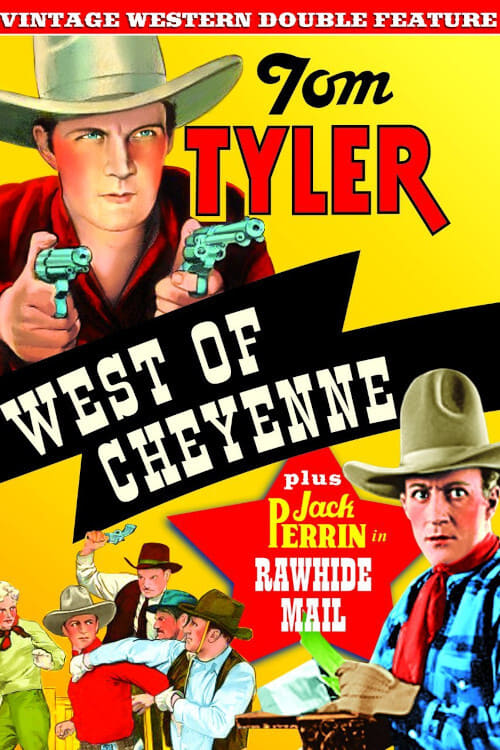
West of Cheyenne
1931
No user ratings available yet
Representation score: 1.1 out of 10

Representation Score
Minimal
1936
ApprovedDirector
Harry S. Webb
Runtime
56 minutes
Average Rating
No ratings yetNew Showbiz Analysis
Pinto Rustlers opens on the dusty, sun-bleached isolation of the frontier, a landscape that functions less as a living ecosystem and more as a stage for the enforcement of property rights. The film’s argument is straightforward: individual integrity and physical competence are the only defenses against organized crime. Tom Tyler’s character, posing as a notorious ex-con, embodies the ideal of the self-made man who uses his wits and strength to restore order. The camera consistently favors this hero, framing him in well-lit, heroic shots that contrast with the shadowy, aggressive angles used for the rustlers. The sold meaning is that the established social order—defined by white, male property ownership—is the default correct state. The rustlers are not merely criminals but threats to the economic and moral foundation of the community. The film does not question the legitimacy of this order; it simply reinforces it. The ending, where the law is restored and the "good" ranchers are vindicated, serves as the moral verdict: those who uphold the status quo are rewarded, while those who disrupt it are punished. There is no irony or subversion in this B-Western. The moral arithmetic is clear: honesty is rewarded, dishonesty is punished. The film’s internal logic is consistent with its external message, leaving no room for ambiguity or critique. The frontier is a space of lawlessness that must be tamed by individual action, and the guns used to do so are tools of justice, not violence. This is a film that celebrates the values of its time: individualism, property rights, and the rule of law, presented without question or nuance.
Category Breakdown
The narrative relies on strictly heterosexual pairings and traditional gender roles. No same-sex intimacy, queer identity, or non-binary presence is depicted or implied.
Catherine Cotter serves as the domestic anchor and romantic prize, while male characters handle investigation, labor, and conflict resolution. The film reinforces conventional competence hierarchies where men act and women wait.
The cast is entirely white, reflecting the standard demographic of 1930s B-Westerns. No non-white characters appear in billed roles or significant plot functions.
The film upholds the frontier as a space where individual merit and private property rights define moral order. Law and community stability are presented as the natural, correct state that must be defended against criminal disruption.
No characters are depicted with physical, sensory, or cognitive disabilities. Physical fitness is treated as a standard virtue for the protagonist, but no impairment is central to the narrative.
Present on Screen
Limited or Absent
Official Synopsis
Tom Evans is a young cowboy orphaned by a band of rustlers. Seeking revenge, Tom pretends to be a notorious ex-con and manages to worm his way into the gang in order to get the goods on the bunch.
1931

1935
1935

1940
1929
1941
1932
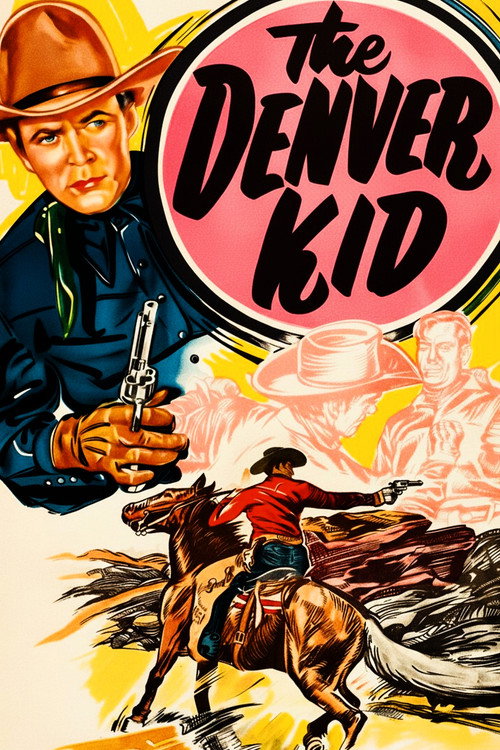
1948
No reviews yet. Be the first to share your thoughts on this movie!
Use the rating form above to leave a star rating and optional review.