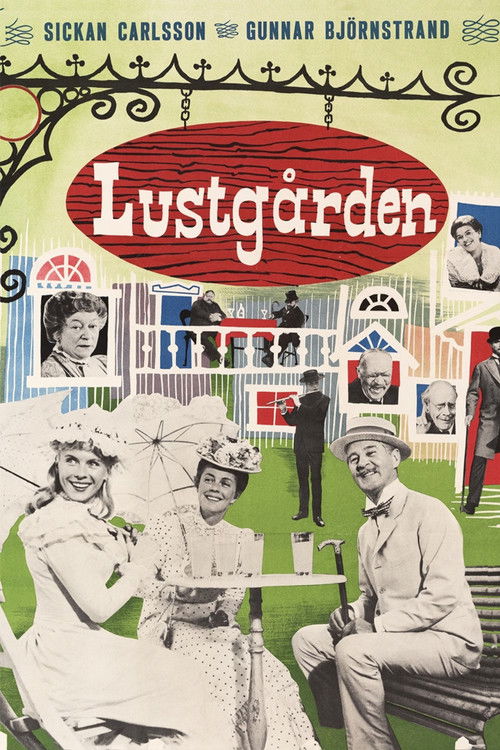
The Pleasure Garden
1961
No user ratings available yet
Representation score: 3.5 out of 10
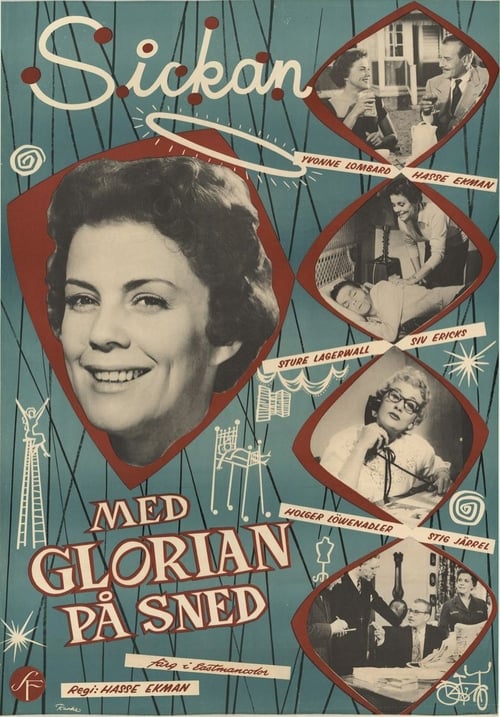
Representation Score
Limited
1957
Director
Hasse Ekman
Runtime
89 minutes
Average Rating
No ratings yetNew Showbiz Analysis
Hasse Ekman’s comedy offers a sophisticated look at the tension between private identity and public persona. While the film is a product of its era, it provides a meaningful subversion of gender roles by centering on a woman's creative and intellectual autonomy. However, the work lacks modern multi-layered depth. It adheres to the demographic and social norms of 1950s Sweden, focusing on conventional social structures and homogeneous casting. Ultimately, the film's strength lies in its character-driven exploration of professional and personal identity, even if it lacks broader representation of race or sexual orientation.
Category Breakdown
The film focuses on traditional romantic dynamics, such as unrequited love and infidelity. There are no LGBTQ+ characters or narratives that question the assumption that everyone is straight.
Birgitta’s work as a novelist highlights her intellectual labor and her ability to influence culture, providing a nuanced look at women's ability to drive the story. Her role challenges the stereotype of the passive secretary.
The film reflects the homogeneous social landscape of 1950s Sweden. There is no evidence of non-white actors or diverse ethnic identities within the narrative.
The story explores moral complexity through themes of deception and truth. However, it remains grounded in the traditional institutional structures of the mid-century publishing industry.
There is no evidence of characters navigating physical or neurodivergent disabilities within the film's narrative or historical record.
Present on Screen
Limited or Absent
Official Synopsis
A secretary at a publishing company, Birgitta, writes a novel, based on her secret love of her boss. She sends it anonymously to her own company, who decides to publish it. The book becomes a success. Birgitta's husband's mistress get hold of the script and confesses that *she* wrote the novel. Plot by Mattias Thuresson.
1961
1971
1963
2019

2009
2014

1966
2023
No reviews yet. Be the first to share your thoughts on this movie!
Use the rating form above to leave a star rating and optional review.