The Art of Love
1965
No user ratings available yet
Representation score: 0.9 out of 10
Representation Score
Limited
1964
Director
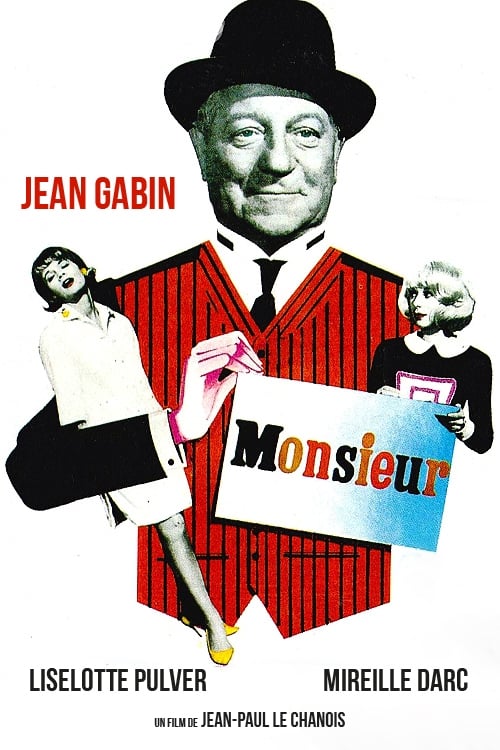
Jean-Paul Le Chanois
Runtime
105 minutes
Average Rating
No ratings yetNew Showbiz Analysis
Monsieur is a character-driven comedy that delves into grief, deception, and the disruption of social order. While it challenges the traditional sanctity of marriage, it does so through a narrow, mid-century lens that lacks depth in representing diverse identities. The film remains anchored in conventional social hierarchies and straight-centered structures. Its focus on a wealthy banker's personal crisis keeps the narrative centered on established capitalist and domestic paradigms. Ultimately, the work serves as a traditional study of identity and betrayal rather than a progressive critique of systemic social structures.
Category Breakdown
The film focuses on a heterosexual romantic tragedy between a husband and his deceased wife. There is no indication of LGBTQ+ subtext or non-cisgender identities in the story.
The story centers around a male protagonist's emotional crisis and his significant role in faking his death. Female characters have limited ability to act, primarily portrayed through the cliché of past infidelity.
The narrative reflects the culturally and racially uniform upper class of mid-century European society. It depicts a homogeneous social structure typical of its time.
The film critiques the sanctity of marriage and the nuclear family through themes of betrayal. It explores moral relativism via the protagonist's adoption of a new identity.
There is no evidence regarding the portrayal of physical or neurodivergent disabilities in the narrative.
Present on Screen
Limited or Absent
Official Synopsis
Left heartbroken by the death of his beloved wife, a rich banker tries to commit suicide. When he learns from his former maid that his wife was unfaithful, he fakes his own death and comes back under a new identity.
1965
1961
2013

1971

1977
2002
1949
1963
No reviews yet. Be the first to share your thoughts on this movie!
Use the rating form above to leave a star rating and optional review.