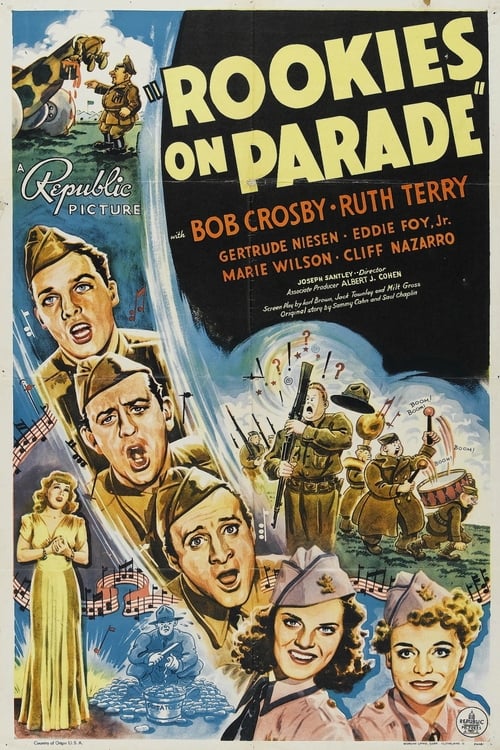
Rookies on Parade
1941
No user ratings available yet
Diversity score: 1.9 out of 10
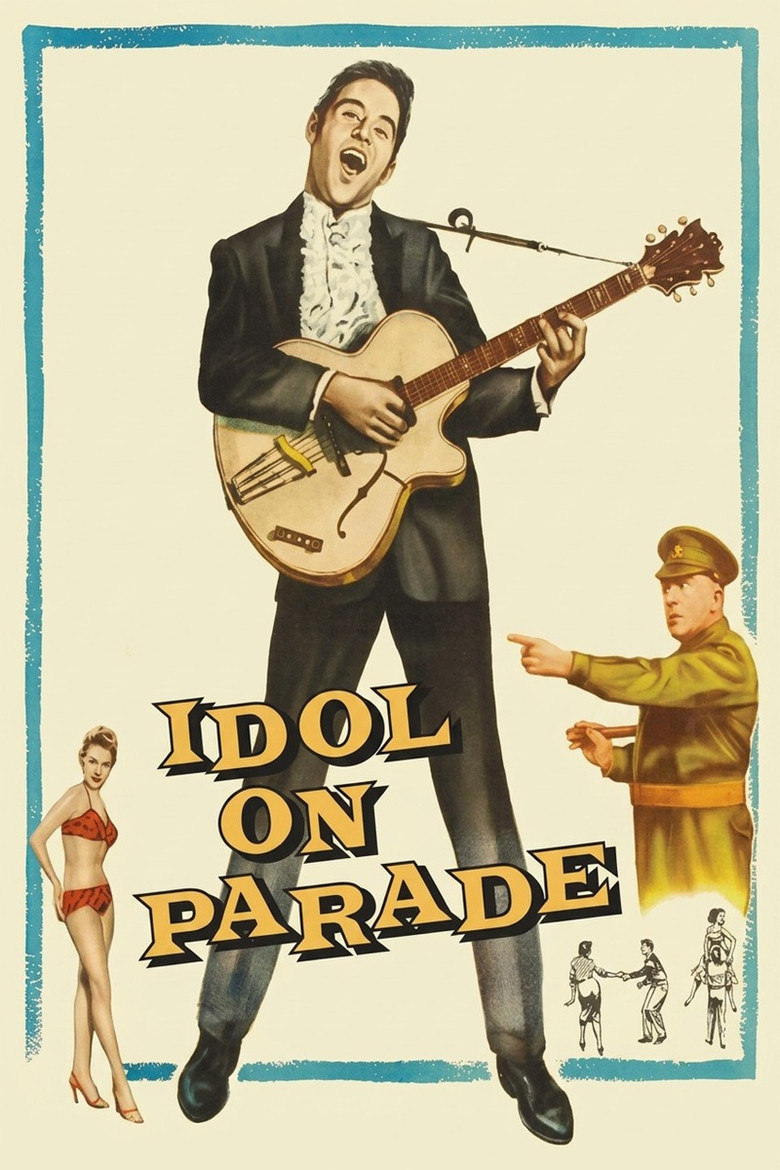
1959
Director
John Gilling
Runtime
88 minutes
Average Rating
No ratings yetSynopsis
A rock'n'roll idol is drafted into the wrong regiment.
Overall Score
Limited
Category Breakdown
LGBTQ+ Representation
The film lacks LGBTQ+ characters or narratives. It adheres to the social constraints of 1959, offering no discernible presence of non-cisnormative identities.
Gender Representation
The story centers on male conscripts and masculine camaraderie. While female performers appear in the cast, they do not drive the primary plot.
Racial & Ethnic Diversity
The production features a predominantly white, Anglo-Saxon cast. It reflects the homogeneous demographic norms typical of late-1950s British studio filmmaking.
Religious & Cultural Diversity
The narrative explores the tension between celebrity culture and military structure. It uses these settings for situational comedy rather than systemic critique.
Disability Representation
There is no evidence of characters with visible or invisible disabilities within the film.
Strengths
Areas for Improvement
AI Analysis
Idol on Parade is a conventional period comedy that mirrors the social and demographic hierarchies of the late 1950s. The narrative focuses heavily on masculine experiences within the British military, leaving little room for diverse perspectives. The film relies on traditional comedic tropes centered on a rock 'n' roll idol's conscription. While it touches on the friction between individual celebrity and institutional conformity, it does not engage with broader social or systemic critiques. Ultimately, the film serves as a snapshot of its era, prioritizing situational irony and established gender roles over the representation of marginalized identities.
1941
1956
1964
1956
1949
1956
1953
1941
1965
1975

1969

1960
No reviews yet. Be the first to share your thoughts on this movie!
Use the rating form above to leave a star rating and optional review.