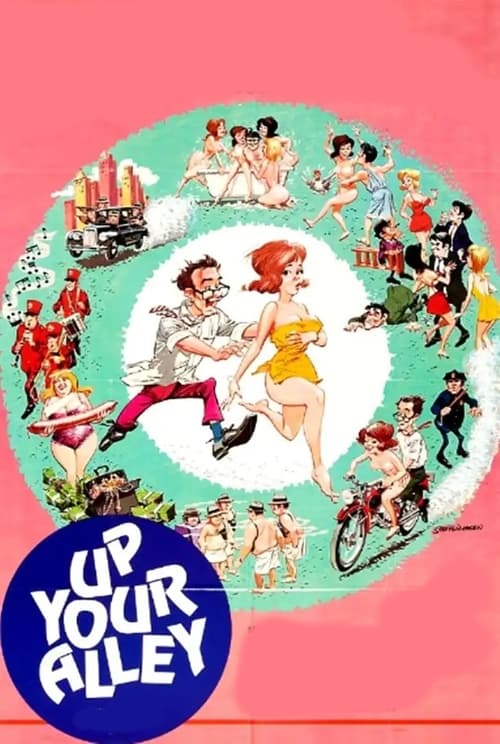
Up Your Alley
1971
No user ratings available yet
Representation score: 1.1 out of 10

Representation Score
Minimal
1997
RDirector
Bob Koherr
Runtime
82 minutes
Average Rating
No ratings yetNew Showbiz Analysis
Plump Fiction functions as a low-budget genre parody that focuses on slapstick humor and stylistic references rather than social or multi-layered themes. The narrative structure relies heavily on established clichés and traditional hierarchies. The film's characterizations are mostly archetypal, emphasizing crime and chaos through roles like exterminators, wrestlers, and strippers. This approach avoids the complexity needed to address diverse identities or systemic issues. Overall, the production adheres to conventional 1990s independent comedy patterns, offering little disruption to the demographic or social status quo.
Category Breakdown
The film does not include any explicit LGBTQ+ characters or stories about non-straight identities. It follows a traditional storyline that doesn't explore queer themes or challenge common assumptions about sexuality.
Female characters are limited to roles like the boss's wife and strippers. These roles often serve as plot devices rather than showing the women as independent agents within the story.
There is no indication of a diverse or non-white cast. The character types suggest a reliance on conventional casting patterns typical of late 90s independent comedies.
The film uses religious symbols, such as strippers dressed as nuns, for irreverent humor. This serves to mock religion rather than providing a structured critique of religious institutions.
The narrative does not feature any characters with visible or invisible disabilities.
Present on Screen
Limited or Absent
Official Synopsis
Four stories intersect in this violent film parody. Exterminators dress as hit men and try to protect the wife of their boss, Montello. Meanwhile, the strippers at Montello's strip club, dressed as nuns, attempt to rob him. Tag-team wrestlers steal Montello's briefcase, thinking its contents are valuable. Finally, Bumpkin, running to deliver a script, loses a lot of the pages.
1971
1980

2005

1999
1992
1990
1991
1988
No reviews yet. Be the first to share your thoughts on this movie!
Use the rating form above to leave a star rating and optional review.