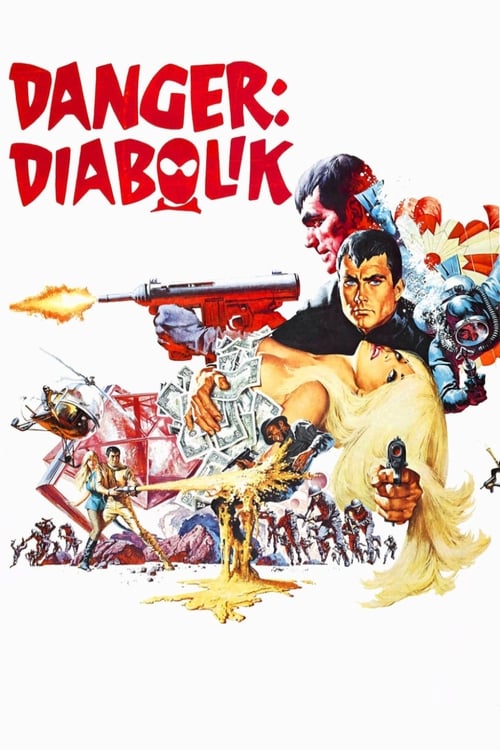
Danger: Diabolik
1968
No user ratings available yet
Representation score: 3.9 out of 10
Representation Score
Limited
1966
NRDirector
Joseph Losey
Runtime
120 minutes
Average Rating
No ratings yetNew Showbiz Analysis
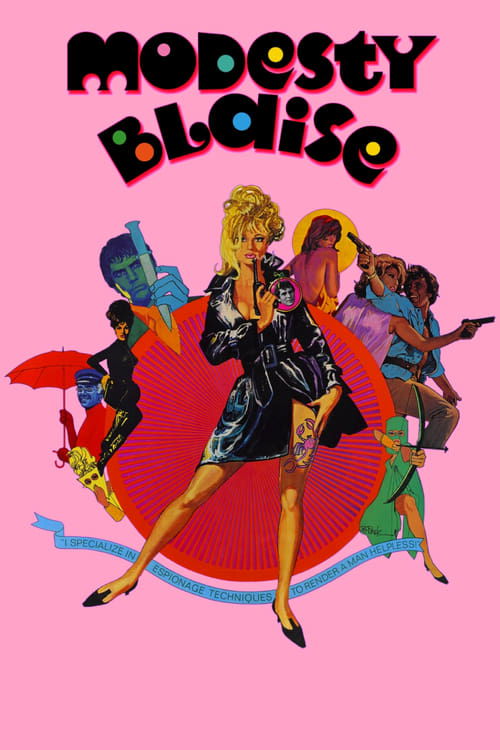
Modesty Blaise is a striking example of how genre cinema can challenge traditional gender roles while falling short in other social dimensions. The film's strength lies in its portrayal of a female lead who possesses total autonomy and intellectual dominance. However, the production remains limited by the era's demographic constraints. The lack of racial and LGBTQ+ diversity creates a homogeneous environment that lacks depth in representing various identities. Ultimately, the film offers a sophisticated deconstruction of the hero archetype. It replaces institutional righteousness with a nuanced, character-driven autonomy that challenges traditional views of law and justice.
Category Breakdown
The film lacks explicit LGBTQ+ characters or non-straight relationships, focusing instead on the central partnership between Blaise and Garvin without addressing queer identity.
Modesty Blaise disrupts 1960s hierarchies as a highly competent, intellectually superior protagonist. She drives the plot through tactical brilliance that often surpasses her male counterparts.
The cast is predominantly Eurocentric and white, reflecting the stylistic constraints of the mid-1960s spy-thriller genre. There is a lack of significant minority representation within the primary character arcs.
The narrative favors moral relativism over institutional morality. By centering a protagonist with a criminal background, the film prioritizes personal competence over rigid adherence to Western institutional norms.
There are no prominent depictions of visible or invisible disabilities. Characters are defined primarily by their physical prowess and high-functioning capabilities within the espionage milieu.
Present on Screen
Limited or Absent
Official Synopsis
Modesty Blaise, a secret agent whose hair color, hair style, and mod clothing change at a snap of her fingers is being used by the British government as a decoy in an effort to thwart a diamond heist. She is being set up by the feds but is wise to the plot and calls in sidekick Willie Garvin and a few other friends to outsmart them. Meanwhile, at his island hideaway, Gabriel, the diamond thief has his own plans for Blaise and Garvin.
1968

1960
1967
1966
1968
1967
1968
1965
No reviews yet. Be the first to share your thoughts on this movie!
Use the rating form above to leave a star rating and optional review.