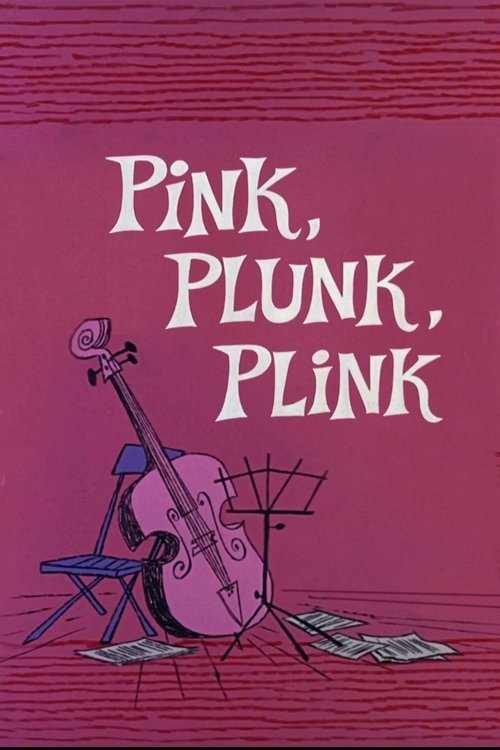
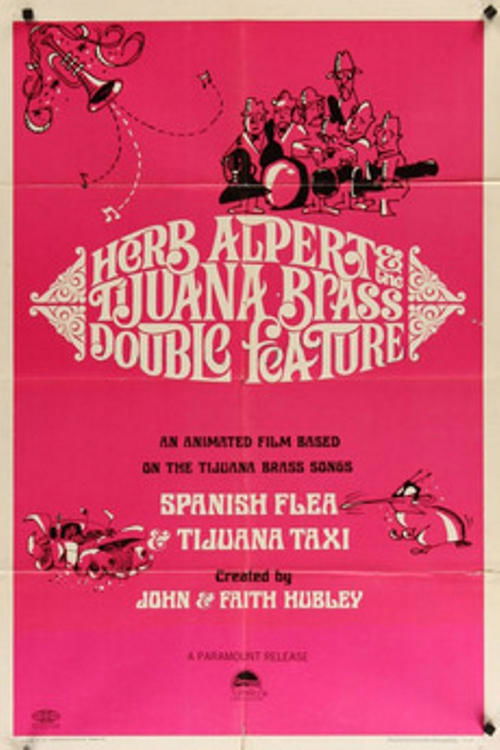
Pink, Plunk, Plink
1966
No user ratings available yet
Representation score: 3.7 out of 10
Representation Score
Good
1956
Director
John Hubley
Runtime
10 minutes
Average Rating
No ratings yetNew Showbiz Analysis
The film's main impact comes from its casting and creative intent. By centering Dizzy Gillespie, a prominent Black musician, in a creative leadership role, it disrupts the racial norms of the 1950s. Hubley’s experimental animation style prioritizes artistic freedom over the standardized, conservative styles of the 1950s studio system. This approach celebrates individual talent. Despite the short format, the collaboration effectively challenges the homogeneous landscape of commercial media by focusing on cultural contribution and musicality.
Category Breakdown
The film does not include any characters with LGBTQ+ identities or develop any related narratives.
The film focuses on a professional interaction between a director and a musical icon, using an abstract style that avoids the hyper-masculine clichés common in 1950s animation.
By featuring Dizzy Gillespie, a prominent Black musician, in a creative leadership role, the film challenges the racial hierarchies of the 1950s and emphasizes Black excellence and ability to act.
The film emphasizes jazz and artistic expression over traditional moralizing, suggesting a preference for creative freedom over the didactic morality found in mid-century media.
There is no evidence of disability representation or the use of disability as a narrative device in this work.
Present on Screen
Limited or Absent
Official Synopsis
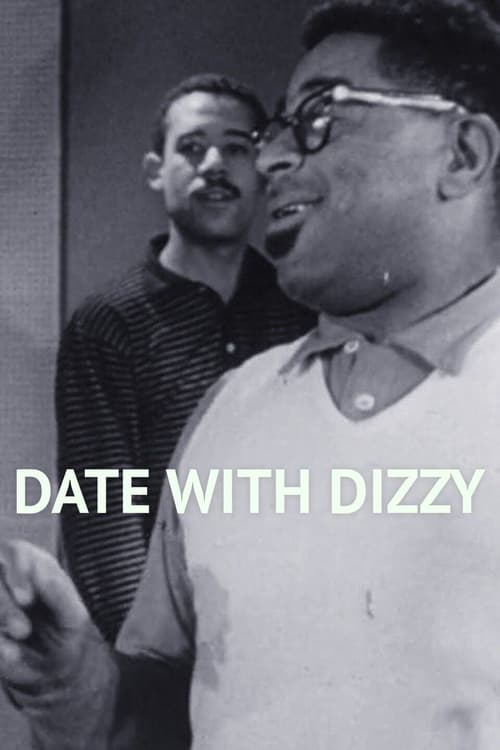
A Hubley stand-in instructs iconic trumpeter Dizzy Gillespie on scoring a short commercial for an instant rope ladder.
1966
1932
1932
1931
1931
1960
1966
1956
No reviews yet. Be the first to share your thoughts on this movie!
Use the rating form above to leave a star rating and optional review.