Blue Rhythm
1931
No user ratings available yet
Representation score: 1.4 out of 10
Representation Score
Fair
1932
Director
John Foster, George Rufle
Runtime
7 minutes
Average Rating
No ratings yetNew Showbiz Analysis
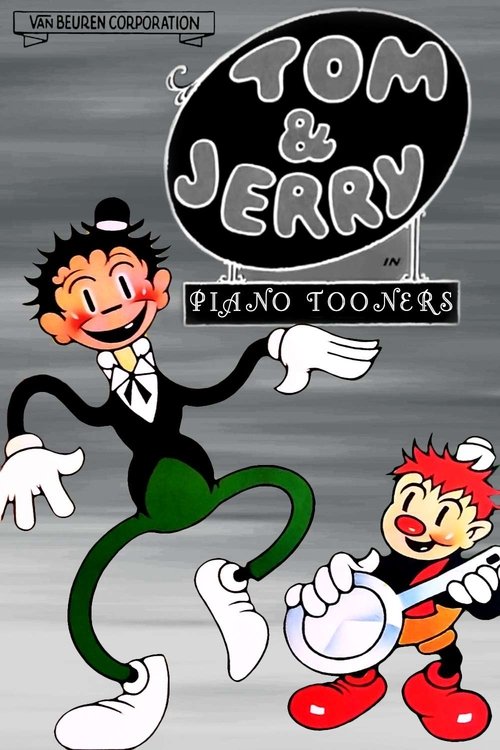
Piano Tooners is a product of its time, emphasizing slapstick comedy over social or identity-based complexity. The narrative structure follows traditional archetypes common to early 1930s animation, focusing on musical conflict and resolution. While the film offers a lighthearted exploration of the intersection between classical opera and popular jazz, it lacks depth in representing diverse identities. The characters and roles reinforce existing hierarchies rather than challenging them.
Category Breakdown
The film focuses on a professional relationship between two male characters. There is no explicit representation of LGBTQ+ identities or critiques of the assumption that everyone is straight or cisgender.
The male protagonists hold the primary ability to act in the story. The female opera singer has a reactive role, serving as a plot catalyst through her physical collapse.
The characters and setting align with the homogeneous standards of early 1930s animation. There is no representation of non-white majority casts or diverse ethnic backgrounds.
The story explores a clash between opera and jazz. It emphasizes social harmony and traditional entertainment clichés, avoiding any critique of Western institutions.
Physical discomfort is used as a comedic device through a dental metaphor for a piano key. This approach lacks nuance and relies on slapstick humor.
Present on Screen
Limited or Absent
Official Synopsis
Tom and Jerry work as piano tuners. After seeing them at work and several creative ways of tuning a piano (such as removing the offending key and cutting the key itself to a shorter length), the two attend an opera singers performance. The singer passes out when the piano plays a wrong note, and Tom and Jerry are pressed into service to re-tune the piano. After pulling the offending key from the keyboard like a bad tooth, the two give the opera audience a jazz piano performance, with the now recovered opera singer joining in.
1931
1931
1932
1931
1931
1931
1966
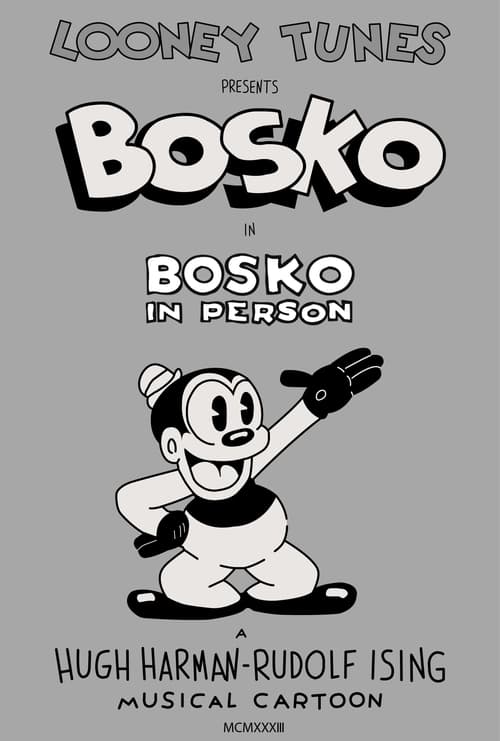
1933
No reviews yet. Be the first to share your thoughts on this movie!
Use the rating form above to leave a star rating and optional review.