Being Like Deyna
2012
No user ratings available yet
Representation score: 4.0 out of 10
Representation Score
Minimal
2024
Director
Artur Żmijewski
Runtime
118 minutes
Average Rating
No ratings yetNew Showbiz Analysis
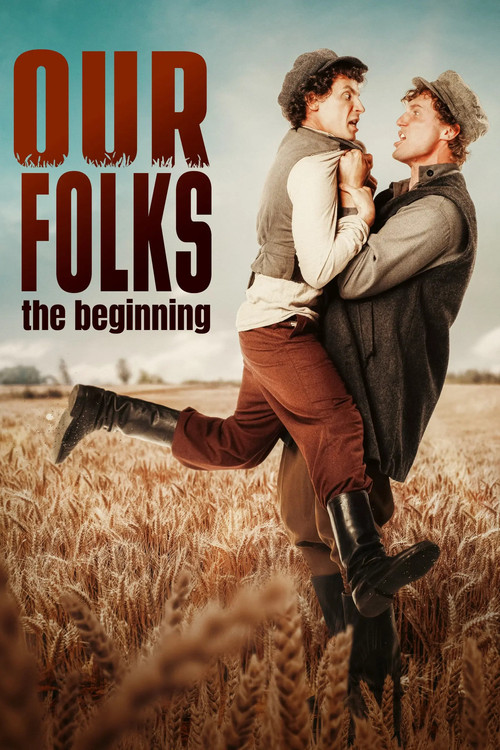
Our Folks: The Beginning operates as a traditional historical prequel that preserves established cultural archetypes. The film centers on the regional history and the foundational rivalry between the Pawlak and Kargul families. Given its period setting, the film’s portrayal of social hierarchies is bound by the constraints of that time. The narrative structure favors traditional rural dynamics over modern multi-layered approaches. Overall, the film honors a significant part of Polish cinematic heritage, emphasizing national identity and historical reconstruction over disrupting conventional social structures.
Category Breakdown
The film does not include any representation of LGBTQ+ identities or non-straight relationships, sticking closely to the social norms of its historical setting.
The story focuses on male-led family disputes and does not show any strong roles for women or challenges to traditional masculinity.
The cast is made up mostly of characters with similar backgrounds, focusing on the internal conflicts among Polish villagers. The film centers on well-known character types rather than diverse representations.
The film recreates traditional Polish rural life and emphasizes a specific cultural legacy, focusing on honoring this heritage rather than exploring secular or anti-Western themes.
The film does not feature any characters with physical or neurodivergent disabilities, nor does it provide any information on how such identities are represented.
Present on Screen
Limited or Absent
Official Synopsis
Pawlak and Kargul – the protagonists of the cult-favourite trilogy “Our Folks” – had been neighbours in a village in Podolia before they ended up in the Recovered Territories. Even then, it was one explosive neighbourhood.
2012
1967
2021
2016
1983
1999
2010
2011
No reviews yet. Be the first to share your thoughts on this movie!
Use the rating form above to leave a star rating and optional review.