Identity Card
2010
No user ratings available yet
Representation score: 6.5 out of 10
Representation Score
Fair
1983
Director
Juraj Jakubisko
Runtime
162 minutes
Average Rating
No ratings yetNew Showbiz Analysis
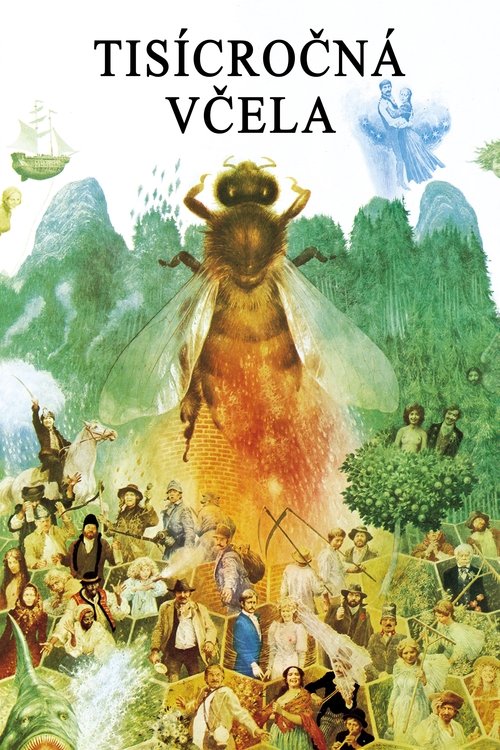
The Millennial Bee presents a nuanced historical narrative that challenges standard Western histories. By focusing on a non-dominant European ethnic experience, it broadens the scope of historical storytelling. The film's structure explores the collapse of traditional social hierarchies. It uses the shift from individual craftsmanship to the chaos of World War I to illustrate how broader forces can overwhelm individuals. While the film provides a rich cultural perspective, it does not explicitly confirm LGBTQ+ identities or specific disability representation within the given narrative context.
Category Breakdown
Set between 1887 and 1917, the film centers on a family saga. Though the period often emphasizes heterosexual relationships, the director's surreal approach adds complexity beyond typical historical dramas.
The story examines power dynamics through a father and son relationship. Jakubisko highlights the fragility of traditional masculine authority during major crises like World War I.
By focusing on a Slovakian village, the film shifts the usual Western focus. It brings a specific Central European history into the broader European historical context.
The story captures the decline of traditional social structures and institutions. It portrays the impact of historical forces and systemic changes on a village facing larger empires.
The film does not specifically address disability as a narrative element. It shows the physical toll of masonry and war but does not focus on disability issues.
Present on Screen
Limited or Absent
Official Synopsis
A family saga taking place mostly in a small Slovak village over a period of thirty years (1887–1917). The first part captures the life of Martin Pichandu in the development of his craft, masonry; in the second part, his son is center stage living in a period of socio-political crisis, which ultimately results in the first World War. After originally airing on Czechoslovakian television in 1983 as a four-part 226-minute mini-series, this production received a 163-minute theatrical release in 1984.
2010

1994
2024
1995
1969
1979

1989
1967
No reviews yet. Be the first to share your thoughts on this movie!
Use the rating form above to leave a star rating and optional review.