
She Knew All the Answers
1941
No user ratings available yet
Representation score: 1.1 out of 10
Representation Score
Minimal
1944
ApprovedDirector
Richard Wallace
Runtime
81 minutes
Average Rating
No ratings yetNew Showbiz Analysis
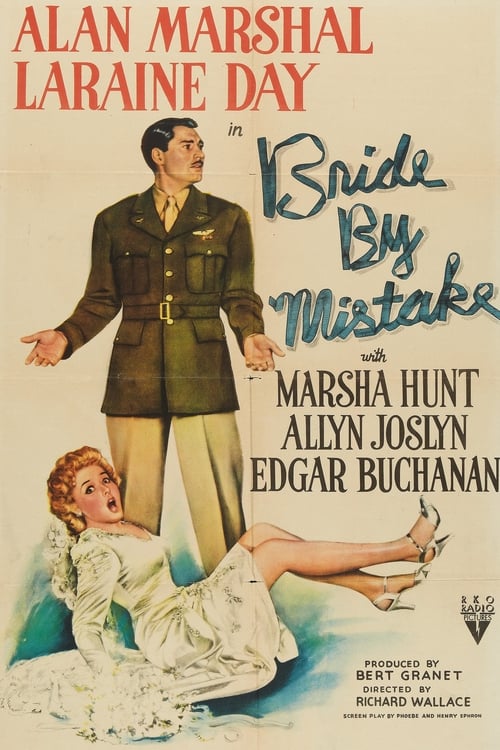
Bride by Mistake is shaped by its historical context, marked by traditional social structures and a lack of diverse representation. While the film offers a notable degree of independence to its female lead, it remains entrenched in the conventional racial and cultural norms of 1940s cinema. The film's strength lies in its protagonist, who uses her economic and intellectual advantages to shape her social status. This provides a rare instance of female control over romantic destiny within the screwball comedy genre. However, the production lacks diversity in almost every other aspect. The cast is uniform, and the narrative avoids any meaningful exploration of non-traditional identities or broader social critiques.
Category Breakdown
The film follows the strict social and censorship rules of 1944. It does not include any non-straight or non-cisgender identities or stories that challenge traditional dating norms.
Norah Hunter subverts gender hierarchies by being a strong, independent shipyard owner. However, the story eventually returns to typical romantic structures.
The cast is mostly white and uniform, reflecting the production standards of the 1940s. There is no indication of meaningful racial mixing or characters of diverse backgrounds.
The story celebrates mid-20th century social structures and traditional romantic relationships. It focuses on personal morality concerning wealth rather than broader social critiques.
A recovering fighter pilot appears, but disability is not explored deeply or with much control. The character serves mainly as a plot device rather than a fully developed person.
Present on Screen
Limited or Absent
Official Synopsis
The staggeringly wealthy Norah Hunter, a shipyard owner, too often finds herself the romantic target of gold-digging men. To attract a suitor whose main interest is not money, she changes places with her secretary, Sylvia Lockwood, and assumes the role of a young working woman. However, she then falls for recuperating fighter pilot Anthony Travis, who, in turn, is madly in love with Sylvia -- or, perhaps, with the millions he thinks she has.
1941
1944
1945
1940
1938
1941
1940
1948
No reviews yet. Be the first to share your thoughts on this movie!
Use the rating form above to leave a star rating and optional review.