Francis of Assisi
1966
No user ratings available yet
Representation score: 1.5 out of 10
Representation Score
Good
1968
Director
Andrzej Wajda
Runtime
89 minutes
Average Rating
No ratings yetNew Showbiz Analysis
Wajda’s historical drama redefines a religious myth as a study of human desires. It shifts from a single religious morality to a complex understanding of motivations shaped by personal identity. The film stands out for its nuanced critique of institutional structures and religious norms. By focusing on the romantic and worldly aspirations of young people, it challenges the sanctity of the crusade itself. While the film excels in cultural and LGBTQ+ themes, it remains limited by the male-centric nature of its historical setting and the constraints of period-appropriate casting.
Category Breakdown
The film challenges traditional religious views by highlighting homoerotic impulses during the crusade. It reinterprets the biblical command to 'love one another' through a non-straight perspective, emphasizing personal connections over strict church rules.
The story avoids the typical glorification of masculinity by depicting the crusade as chaotic and misguided. However, due to the historical context, there are few strong female roles.
The casting reflects the demographics of 13th-century Europe and the Middle East. While focusing on European participants, the film examines the interaction between crusaders and the local population.
The film criticizes Western religious institutions, showing the Church as a system that often fails individuals. It questions religious patriotism by prioritizing human experiences over rigid doctrines.
There is no significant portrayal of physical or neurodivergent disabilities as central narrative elements.
Present on Screen
Limited or Absent
Official Synopsis
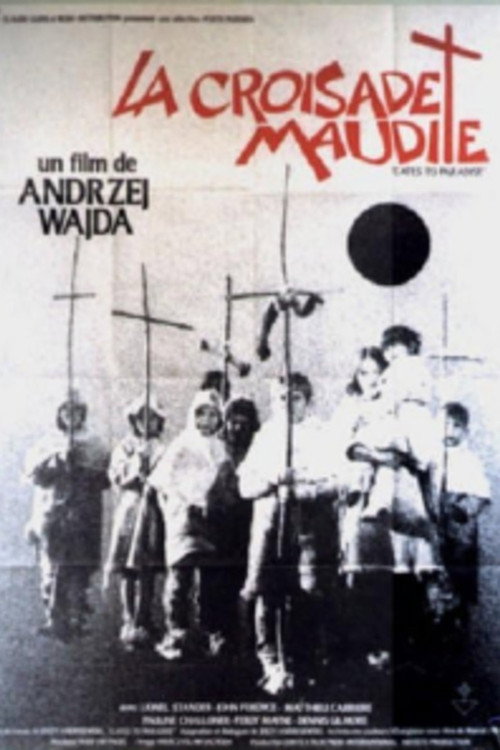
In 1212, a Children's Crusade is launched after a young shepherd, Jacques de Cloyes, claims to have had a vision in which it is said that the innocence of children would be able to liberate Jerusalem. A monk, returning from Holy Land, joins the crusade and hears the children's confessions, gradually realizing that most of them are taking part not for religious, but for more worldly reasons, like rejected love and hopes for freedom, the true nature of their enthusiasm is homosexual. In fact, if the children follow Jacques, it is more for romantic than religious reasons. They take literally the famous phrase: “Love one another”.
1966
1963
1961
1995

2021

1943
1957
2020
No reviews yet. Be the first to share your thoughts on this movie!
Use the rating form above to leave a star rating and optional review.